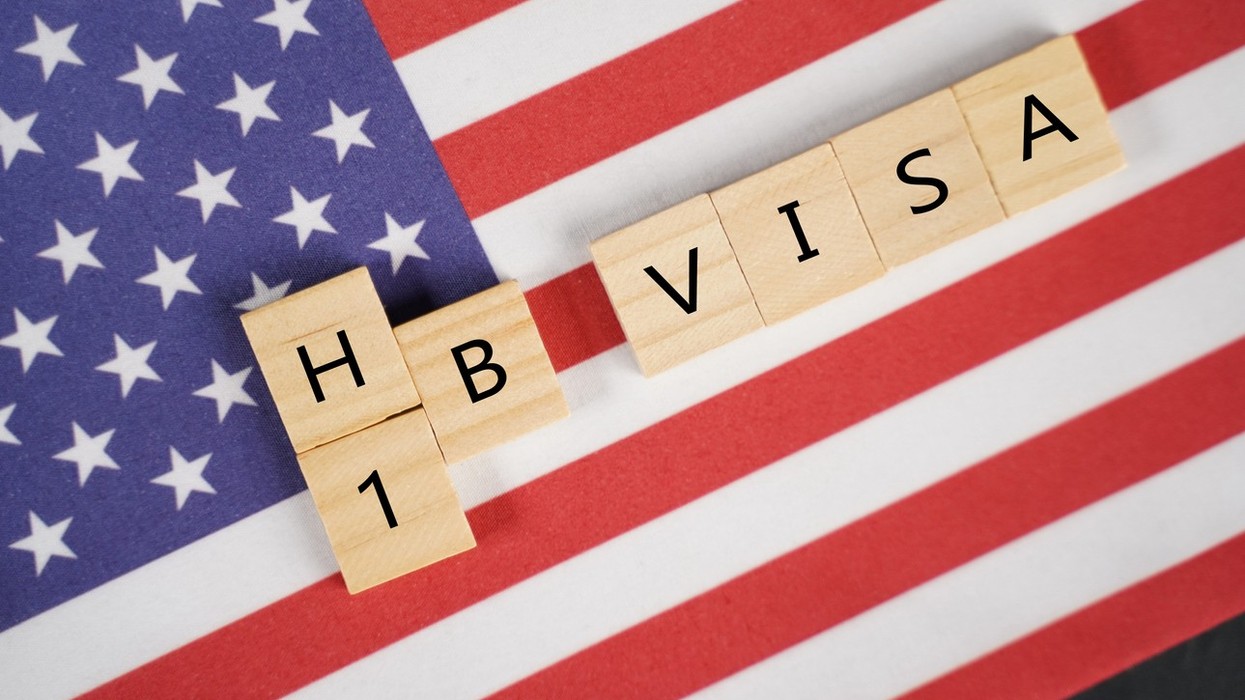

THE US is seeking to impose an additional USD 103,265 fee on H-1B visa applications subject to the annual cap, a proposal that has drawn criticism over restrictions on legal immigration and concerns about the country's ability to attract skilled workers.
The Department of Homeland Security said the proposed fee would apply to all H-1B cap-subject petitions, including those eligible for the advanced degree exemption. It would not apply to cap-exempt filings.
"Same number. New wrapper. Same playbook. Throw enough things at the wall to restrict legal immigration and eventually something might stick (this won't)," said Emily Neumann, a US-based immigration attorney.
North Carolina's labor official supports higher H-1B wages
Todd Schulte, president of FWD.us, a bipartisan advocacy organization that lobbies for changes in immigration and criminal justice policies, said the proposed move could hurt the US' ability to attract and retain skilled workers from around the world.
The proposal comes a month after a federal appeals court rejected a plea to stay a district judge's order overturning the Trump administration's plan to charge a USD 1,00,000 fee on H-1B visa applications.
"DHS proposes to implement the USD 103,265 amount as a separate, additional H-1B fee rather than combining it with the existing H-1B petition fee," according to a notice published in the Federal Register.
The fee would be paid at the time of filing and would be imposed in addition to all other applicable fees or payments.
US expands H-1B, L-1 visa extension fees, raising costs
The US Congress currently limits the H-1B visa program to 65,000 visas a year under the regular cap. Another 20,000 visas are available for foreign workers who have obtained a master's degree or higher from a US institution, commonly known as the "master's cap".
The DHS said the proposed fee is intended to recover costs incurred across the federal government to adjudicate, vet and support lawful immigration programs. It said a standalone fee would facilitate tracking, allocation and reporting of the associated revenue.
“The proposed H-1B fee is intended to recover the costs incurred across the federal government to adjudicate, vet, and support lawful immigration programmes that otherwise must be funded by taxpayers,” said US Citizenship and Immigration Services spokesperson Zach Kahler.
DHS estimates that the proposed fee would generate approximately USD 8.8 billion annually, based on a projected annual volume of 85,000 H-1B cap-subject petitions.
Is H-1B Visa Fee Hike Good for Current Holders?
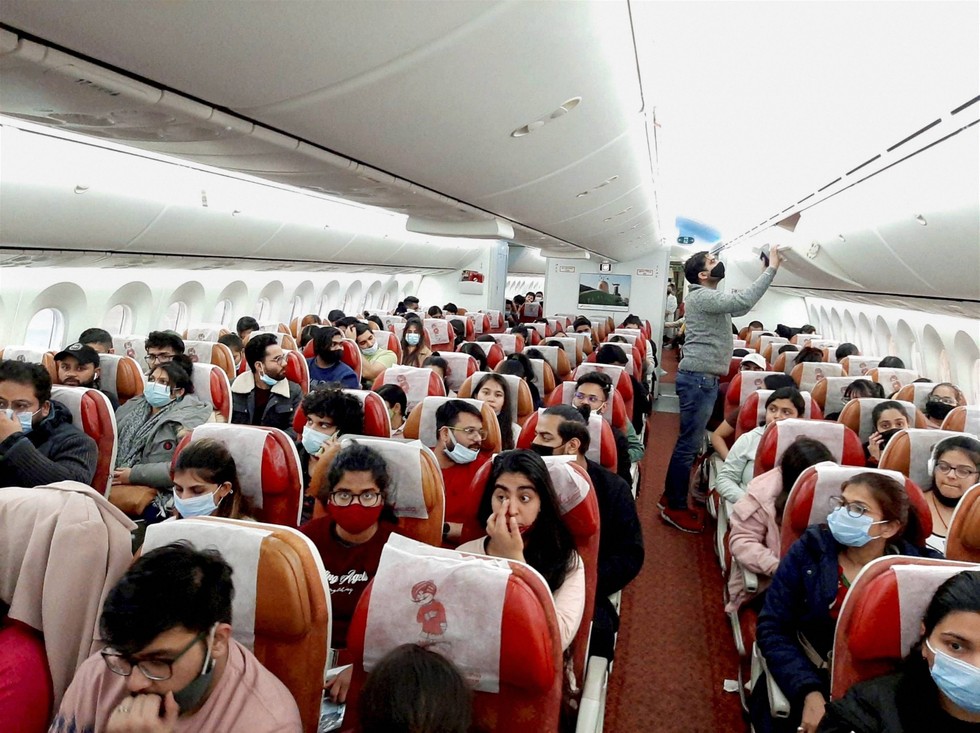
The H-1B visa allows US companies to employ foreign workers in specialty occupations requiring theoretical or technical expertise. Technology companies depend on it to hire tens of thousands of employees each year from countries such as India and China.
The department has invited public comments on the proposal within the next 30 days. The final rule will be published after reviewing the comments.