
Highlights:
- Two Indians were aboard the MV Hondius during the outbreak.
- Three people have died and eight cases have been linked to the virus.
- WHO said the public health risk remains low.
- The Andes strain can spread through close human contact.
- Experts warned people against spreading misinformation online.
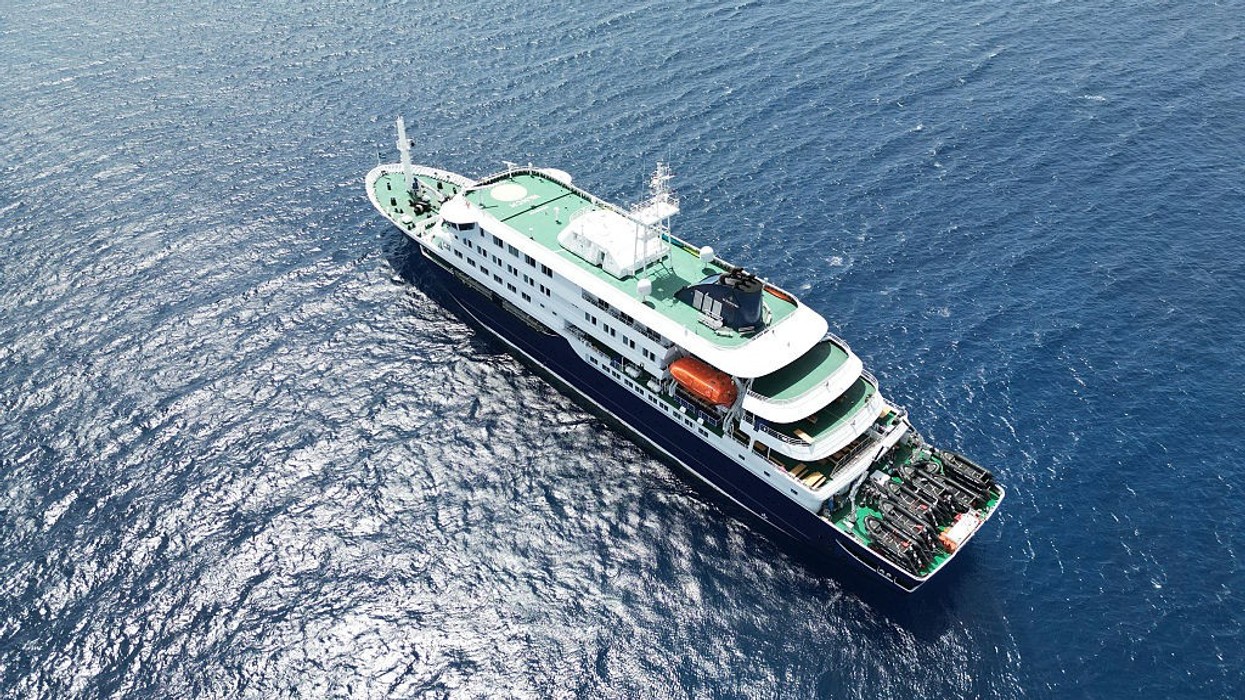
A deadly hantavirus outbreak aboard the luxury expedition cruise ship MV Hondius has raised global health concerns after three passengers died and several others became infected or were suspected to be infected. Two Indians were among the 149 people on board the ship, according to reports. The cruise ship is currently stranded in the Atlantic Ocean as health authorities continue investigations and monitoring efforts.
Passengers from several countries were aboard the vessel, including travelers from the United Kingdom, South Africa, the Netherlands, the United States, Switzerland, and India. Many passengers had already returned home on international flights before the outbreak was fully identified.
The World Health Organization (WHO) and health agencies across multiple countries are now carrying out a large international tracing operation to identify people who may have been exposed to the virus.
Five cases so far, three fatal
- YouTube www.youtube.com
WHO confirmed that eight cases linked to the cruise ship have been identified so far. Out of these, five cases have been confirmed as hantavirus infections, while three others remain suspected cases. Three people have died during the outbreak. Four passengers were medically evacuated from the ship for treatment.
WHO Director-General Dr Tedros Adhanom Ghebreyesus addressed the outbreak on Thursday (7). He said, “While this is a serious incident, WHO assesses the public health risk as low.” He also warned that additional cases could still appear because of the virus incubation period. According to Dr Tedros, “it’s possible that more cases may be reported.”
WHO said it has deployed an expert to the ship to support medical assessments of passengers and crew members. The organization has also sent 2,500 diagnostic kits from Argentina to laboratories in five countries to improve testing capacity.
WHO is also preparing operational guidance for the safe disembarkation and onward travel of passengers and crew members.
Two Indians aboard MV Hondius
The MV Hondius had 149 passengers and crew members on board when the outbreak emerged. Reports confirmed that two Indians were among those aboard the ship. The vessel had sailed from Argentina nearly a month ago and had traveled through remote wildlife regions before the outbreak was detected.
One of the people who died was a Dutch woman who left the ship when it stopped at St Helena Island on April 24. She had shared a cabin with her husband, who died aboard the ship on April 11. Authorities have not confirmed whether he was among the confirmed hantavirus cases.
Health officials are now monitoring passengers, crew members, medical staff, and others who may have had contact with infected individuals during the voyage, in hospitals, or on flights taken after leaving the ship. The ship remains under close monitoring as investigations continue into how the outbreak started and whether limited human-to-human transmission took place on board.
What is Hantavirus?
Hantavirus is a group of viruses carried mainly by rodents. The virus is found in parts of Europe, Africa, Asia, and the Americas.
Humans usually become infected after breathing in air contaminated with particles from rodent urine, droppings, or saliva.
The outbreak linked to MV Hondius involves the Andes strain of hantavirus. Health experts say this is one of the rarest and most dangerous strains of the virus.
Most hantaviruses do not spread between people. However, the Andes strain is different because rare cases of human-to-human transmission have been recorded in the past through very close and prolonged contact. WHO infectious disease epidemiologist Maria Van Kerkhove stressed that the outbreak is very different from Covid-19 or influenza. She said, “This is not Covid, this is not influenza, it spreads very, very differently.”
Symptoms of hantavirus usually appear between two and four weeks after exposure. In some cases, symptoms may develop more than a month later. Doctors and health experts are still trying to determine how the outbreak began. Investigators believe a passenger may have come into contact with the virus before boarding the ship or while visiting remote wildlife areas during the cruise.
Experts also believe some infections may have spread between passengers while on board.
WHO response and international monitoring
WHO said the outbreak demonstrates why international cooperation is important during public health emergencies.
Dr Tedros said WHO is working closely with several countries under the International Health Regulations framework.
He said, “Our priorities are to ensure the affected patients receive care, that the remaining passengers on the ship are kept safe and treated with dignity, and to prevent any further spread of the virus.”
WHO said the overall global risk remains low despite the seriousness of the incident. Authorities in several countries are now tracing passengers and monitoring their health conditions because many travelers had already flown home before the outbreak became widely known. Passengers are being advised to watch for symptoms and seek medical attention if they become unwell.
Experts warn against panic and misinformation
As news of the outbreak spread online, an old social media post from 2022 predicting a future hantavirus pandemic resurfaced and quickly went viral. The post created fear and confusion on social media platforms, with many users wrongly comparing the current outbreak to the Covid-19 pandemic.
Public health experts warned that misinformation spreads quickly during disease outbreaks because fear and uncertainty often drive people to share unverified information. WHO has repeatedly stated that the current outbreak is not considered a pandemic threat.
Health communication experts explained that emotional and sensational posts often spread faster online than verified scientific information. Experts also warned that misinformation can cause panic, emotional stress, stigma, and confusion during health emergencies.
According to researchers, repeated exposure to false health information can reduce public trust in official medical advice.
Health authorities urged people to verify information before sharing it online. Experts recommended checking updates only from trusted organizations such as the WHO, the US Centers for Disease Control and Prevention (CDC), the European Centre for Disease Prevention and Control (ECDC), the Indian Council of Medical Research (ICMR), the National Centre for Disease Control (NCDC India), and the Ministry of Health and Family Welfare.
Experts also advised people not to share old social media posts without checking dates and context. WHO’s Infodemic Management team warned people against spreading wrong medical advice, home remedies, or “miracle cures” during outbreaks.
Health experts also encouraged people to avoid panic-driven content and limit excessive scrolling through outbreak news if it becomes emotionally stressful. WHO continues to monitor the situation closely while investigations into the MV Hondius outbreak remain ongoing.