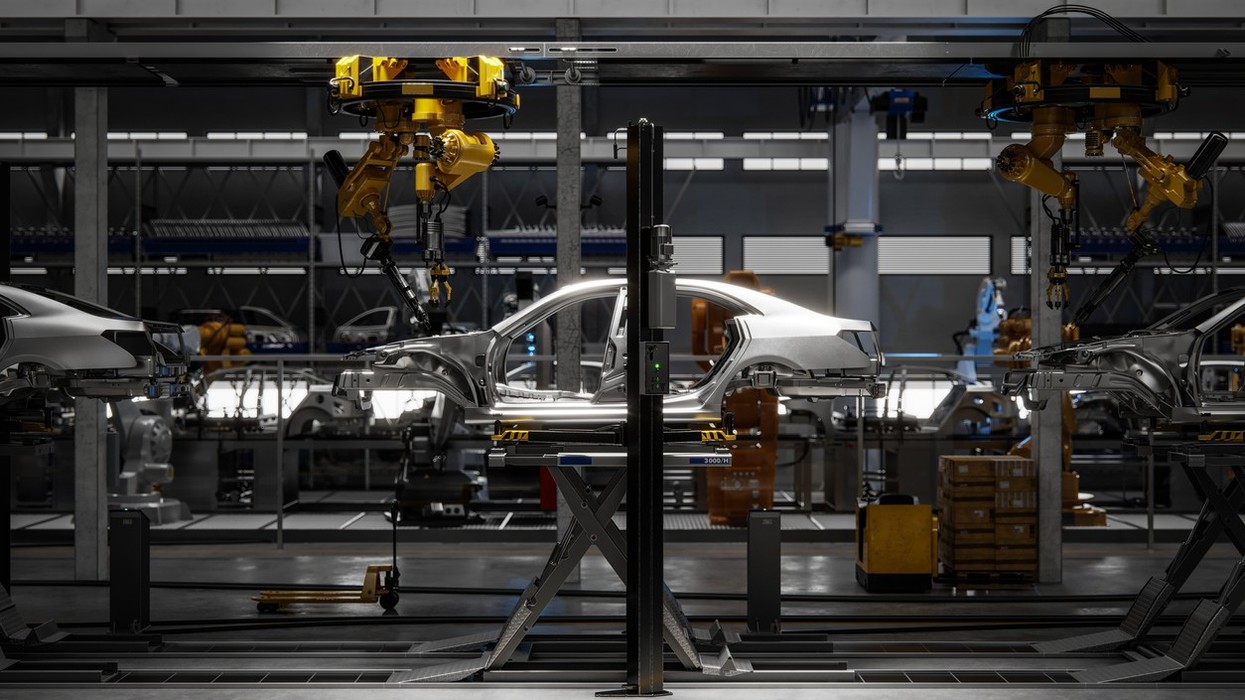

- Rivian has invested more than $5 million in 3D-printing machines, with annual material costs reaching about $1.7 million
- Ford is using 3D-printed tools and parts to support production at its manufacturing facilities
- General Motors has expanded its use of industrial 3D printers and produces 135 printed components for the Cadillac Celestiq
Automakers are increasingly turning to 3D printing to make vehicle components, factory tools and prototypes, as manufacturers look for ways to reduce costs and accelerate production.
The technology, also known as additive manufacturing, has been around for decades. However, falling barriers to adoption and improvements in materials are making it more accessible across the automotive industry.
Unlike traditional manufacturing methods, 3D printing creates objects from digital designs by depositing material layer by layer. Depending on the equipment, manufacturers can use plastics, composites, ceramics and metals to produce individual components or batches of smaller parts.
The applications range from vehicle accessories and prototype components to specialist tools used on assembly lines and testing equipment in research and development facilities.
Rivian, Ford and General Motors are among the automakers expanding their use of the technology, with each integrating it into different parts of their manufacturing operations.
How is Rivian using 3D printing to reduce production costs?
Electric vehicle manufacturer Rivian has invested more than $5 million in 3D-printing machines, while spending on materials for its operations has grown to approximately $1.7 million annually.
Despite the investment, Jonathan Dankenbring, Rivian's senior manager of prototype manufacturing, said the machines typically pay for themselves within a year.
The technology helps the company reduce supplier tooling costs, streamline logistics and shorten the time required to produce components. Parts that previously took weeks to obtain can now be manufactured within days or even hours.
The savings are estimated to run into millions of dollars, although Dankenbring said speed was the biggest advantage for the company.
Rivian has expanded its operations with machines capable of producing flexible silicone components and installed a group of printers at its plant in Normal, Illinois, allowing employees to manufacture parts on demand.
The company has used 3D printing to produce electric motor models for fluid testing, screw guides for tooling and stamping press inserts. It has also manufactured certain production components, including trim pieces used to fill gaps in some early vehicle builds.
Dankenbring said the company wanted to make the technology accessible to engineers across its operations so they could design and produce components quickly.
How are Ford and General Motors expanding the technology?
Ford has integrated additive manufacturing into several of its facilities, using dedicated departments to produce and distribute tools and components needed by employees.
At its Dearborn, Michigan, facility, the automaker has introduced a vending machine stocked with 3D-printed parts for F-150 pickup truck production. Team leaders can access the tools when required, reducing the need to store large quantities of components in manufacturing laboratories.
Gregory Foresi, a Ford mechanical engineer who previously managed the plant's 3D-printing lab, said employees could request specific tools and parts through an app.
Using roughly two dozen machines, Ford has produced thousands of tools, including torque bit sockets, hood jackers and hand tools designed to smooth adhesive.
The technology has also helped the company maintain production when conventional supply chains face delays. In one instance, Ford used a 3D-printed replacement for a large machining wheel needed to keep an assembly line running while waiting for a permanent part from a supplier.
General Motors has also expanded its use of additive manufacturing across research and development, factory operations and selected vehicle programs.
The company uses 135 3D-printed components in its low-volume Cadillac Celestiq, alongside other applications in its performance Cadillac Blackwing sedans. These include a specially designed medallion on the manual transmission shifter knob.
GM has also expanded the deployment of industrial printers supplied by Stratasys across its manufacturing facilities.
Fadi Abro, Stratasys' senior global director of automotive and mobility, said GM demonstrated how manufacturers could standardize the technology before scaling its use.
He said improvements in material properties had expanded the range of applications, while faster and more economically accessible machines would be important to wider adoption.
For automakers, the appeal of 3D printing goes beyond producing individual vehicle parts. Its ability to make specialized tools on demand, reduce dependence on external suppliers and shorten development cycles could make manufacturing operations more adaptable.





















 DJI Osmo Mobile Smartphone GimbalAmazon
 DJI Mic Mini Wireless MicrophoneAmazon
 Digitek LED Ring LightAmazon
 Joby GorillaPod Tripod Amazon
 GoPro HERO Action Camera Amazon
 Elgato Stream Deck Amazon
 BOYA Wireless Lavalier Microphone Amazon
 Logitech Brio Webcam Amazon
 Ulanzi RGB Video Light Amazon
 SanDisk Extreme Portable SSD Amazon







 Boldfit Yoga MatAmazon
 Decathlon Resistance BandsAmazon
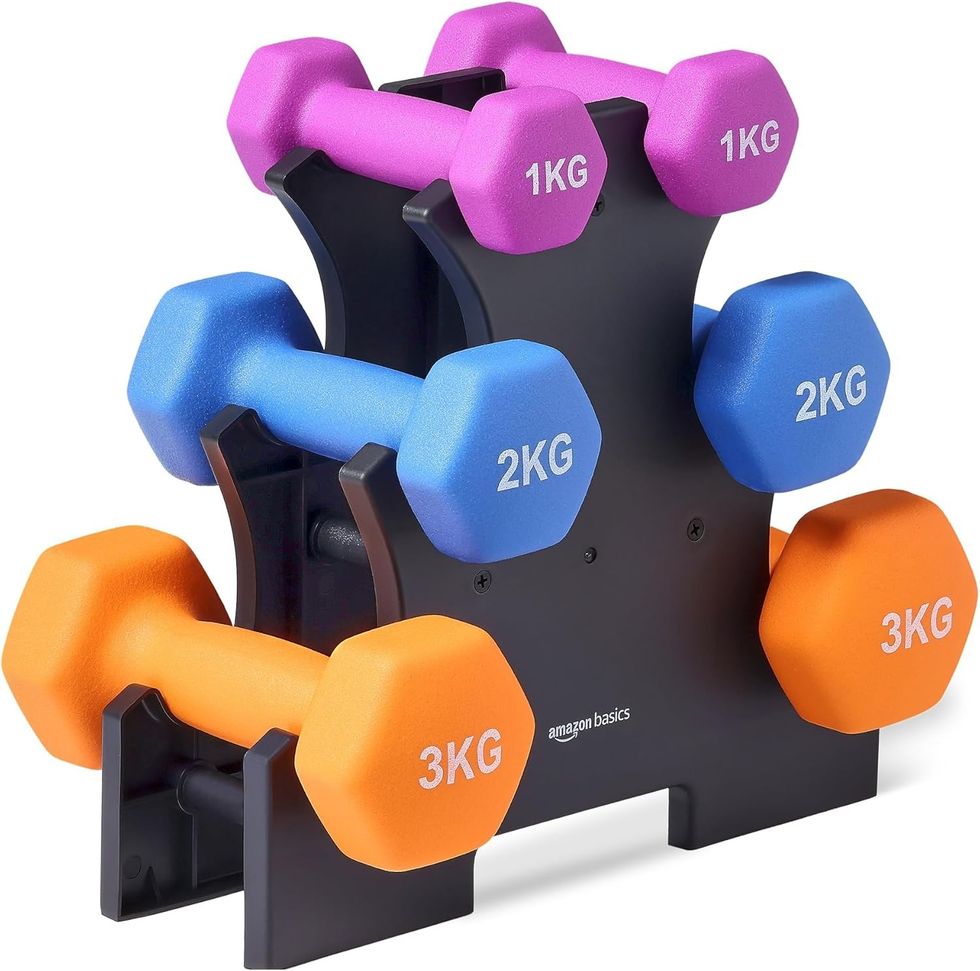
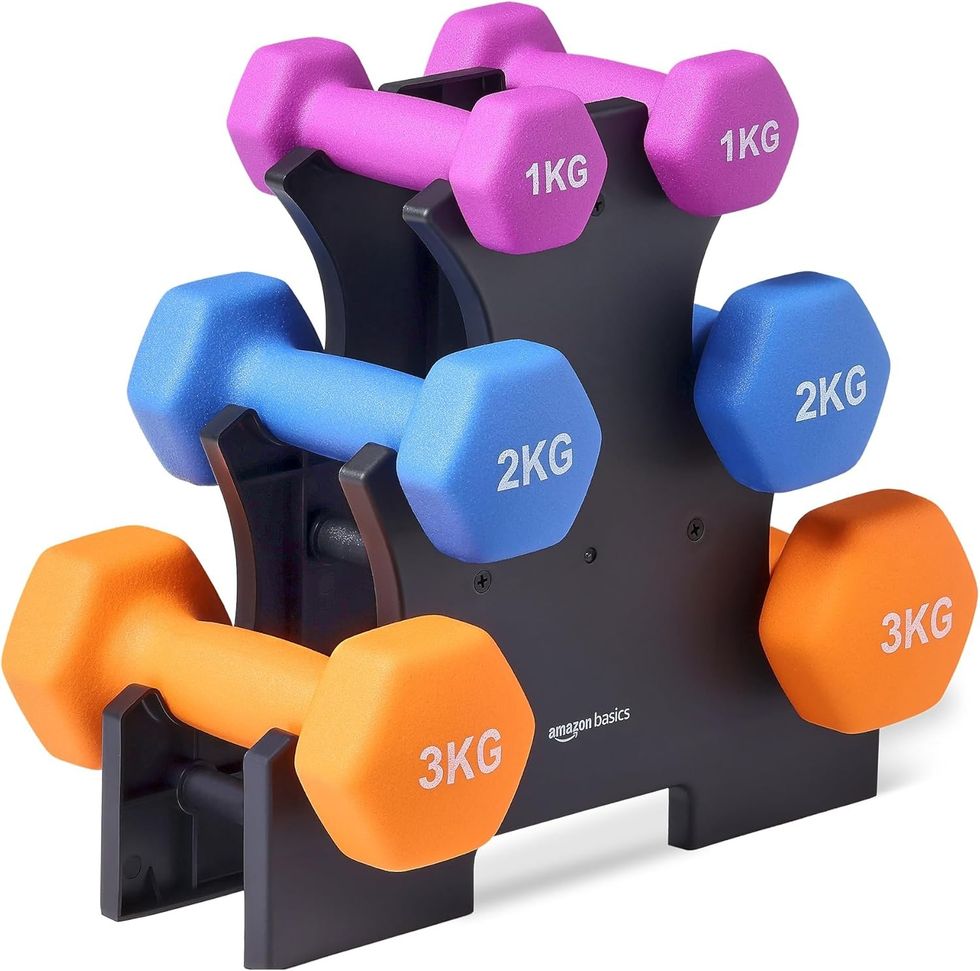 Amazon Basics Dumbbell SetAmazon
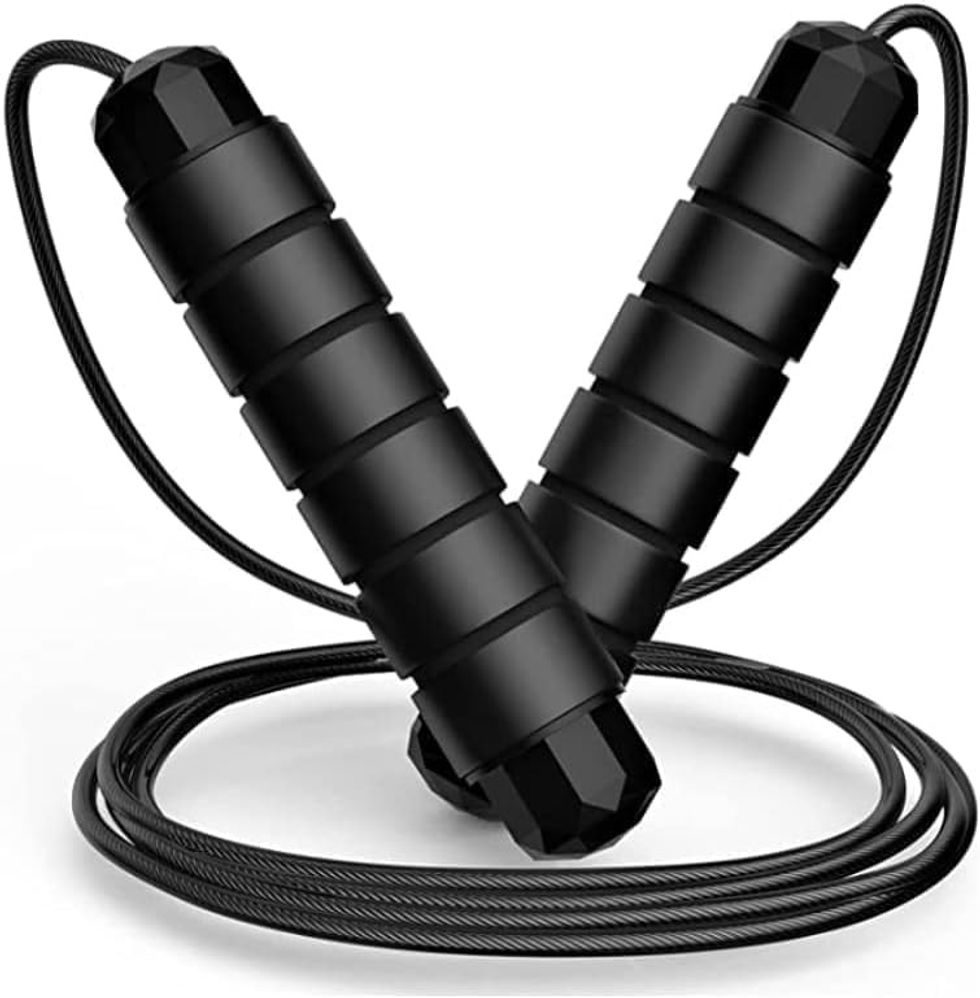
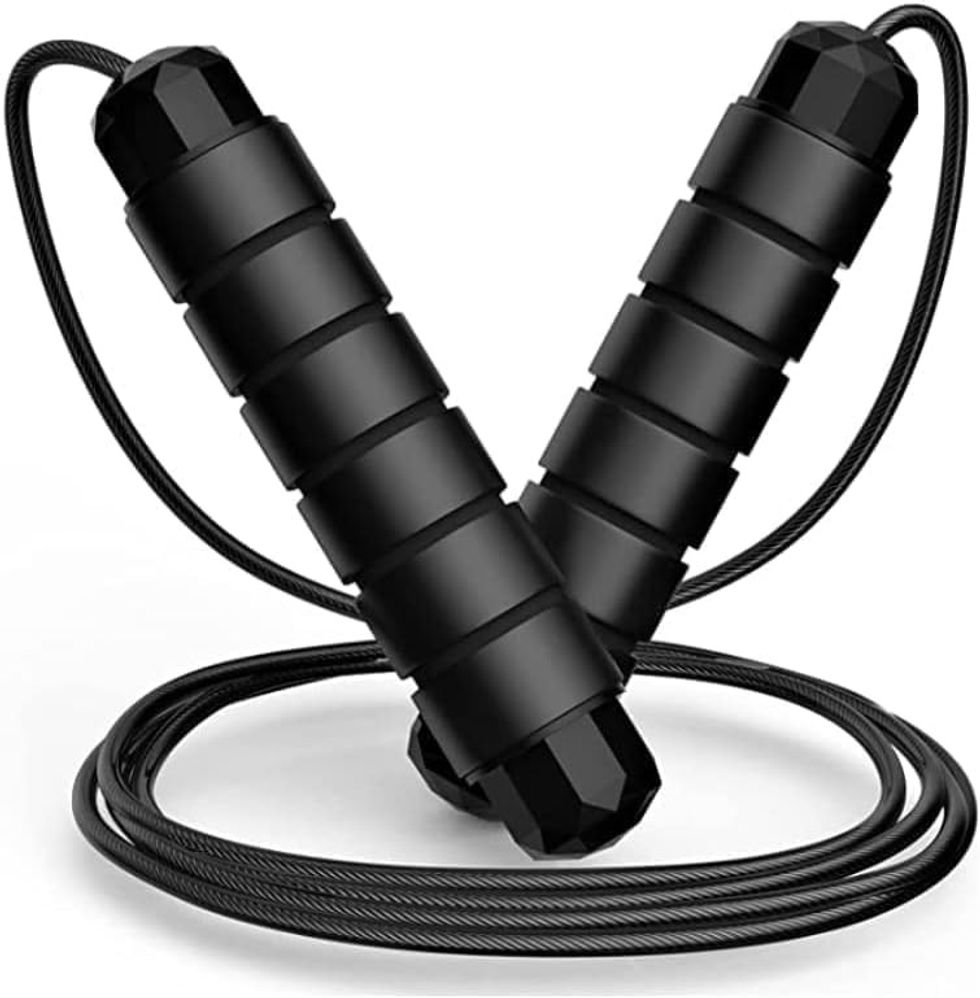 Strauss Skipping RopeAmazon
 Boldfit Foam RollerAmazon
 Adidas Exercise BallAmazon
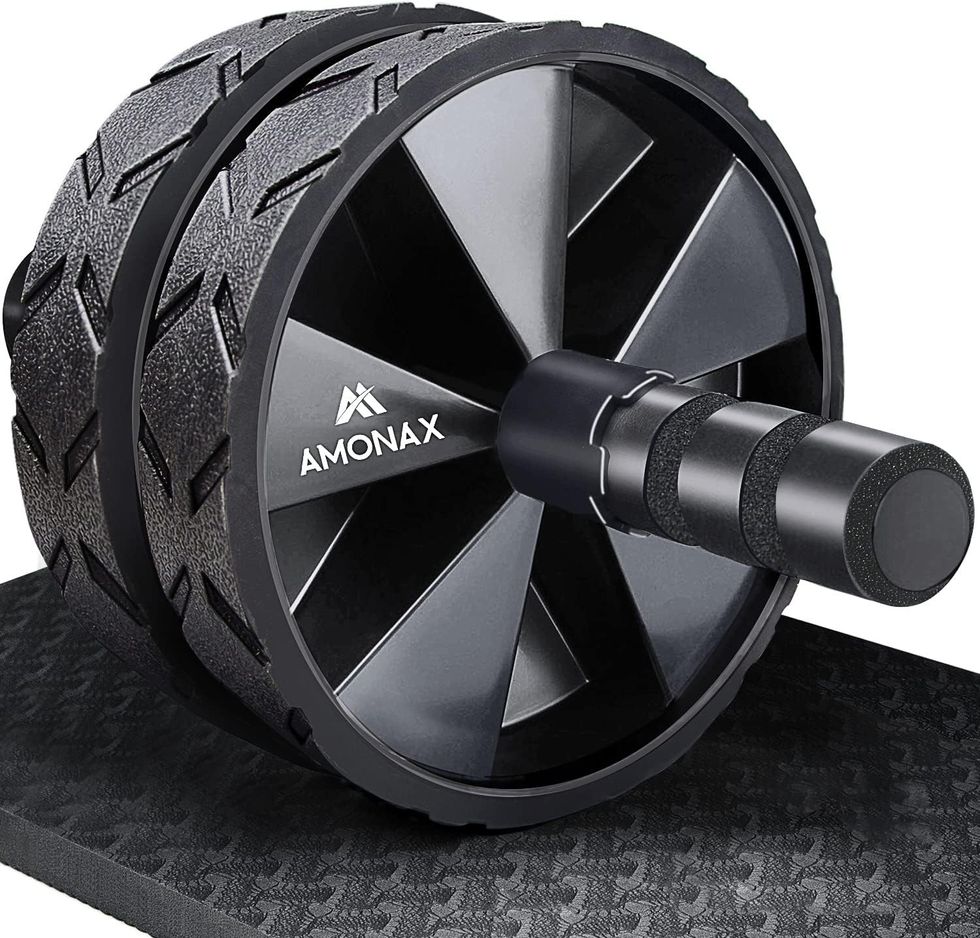
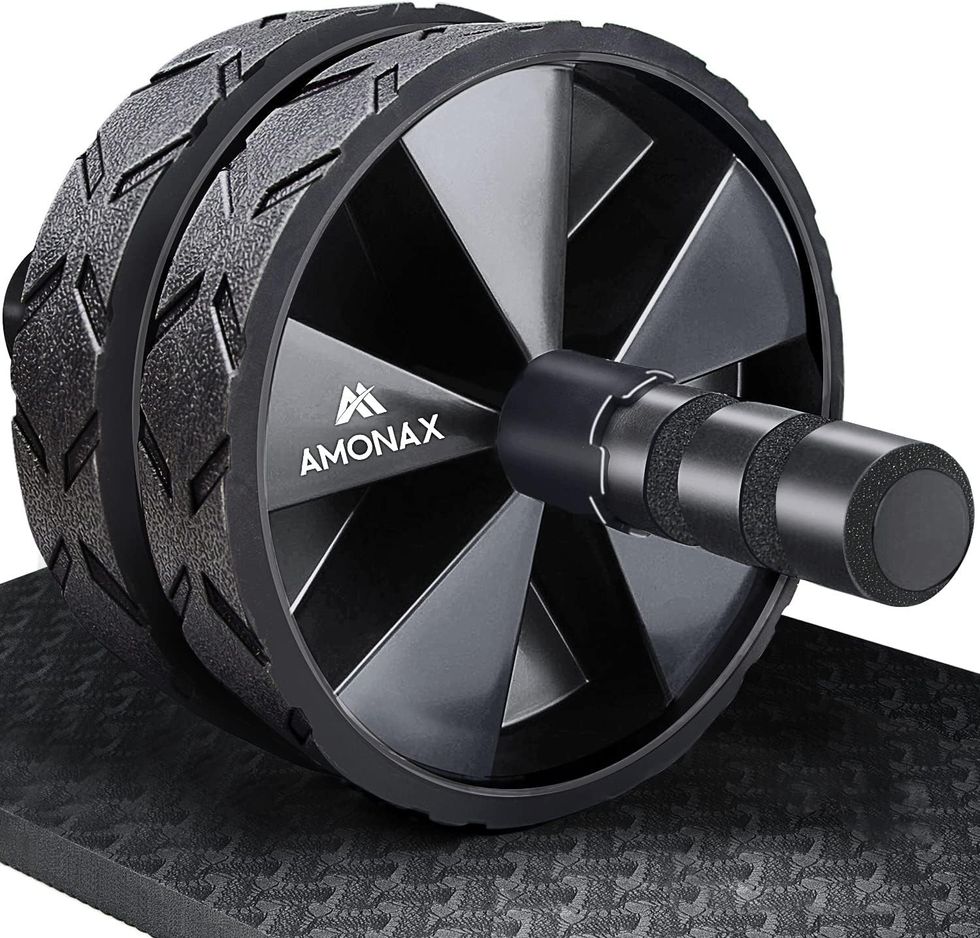 Cockatoo Ab RollerAmazon
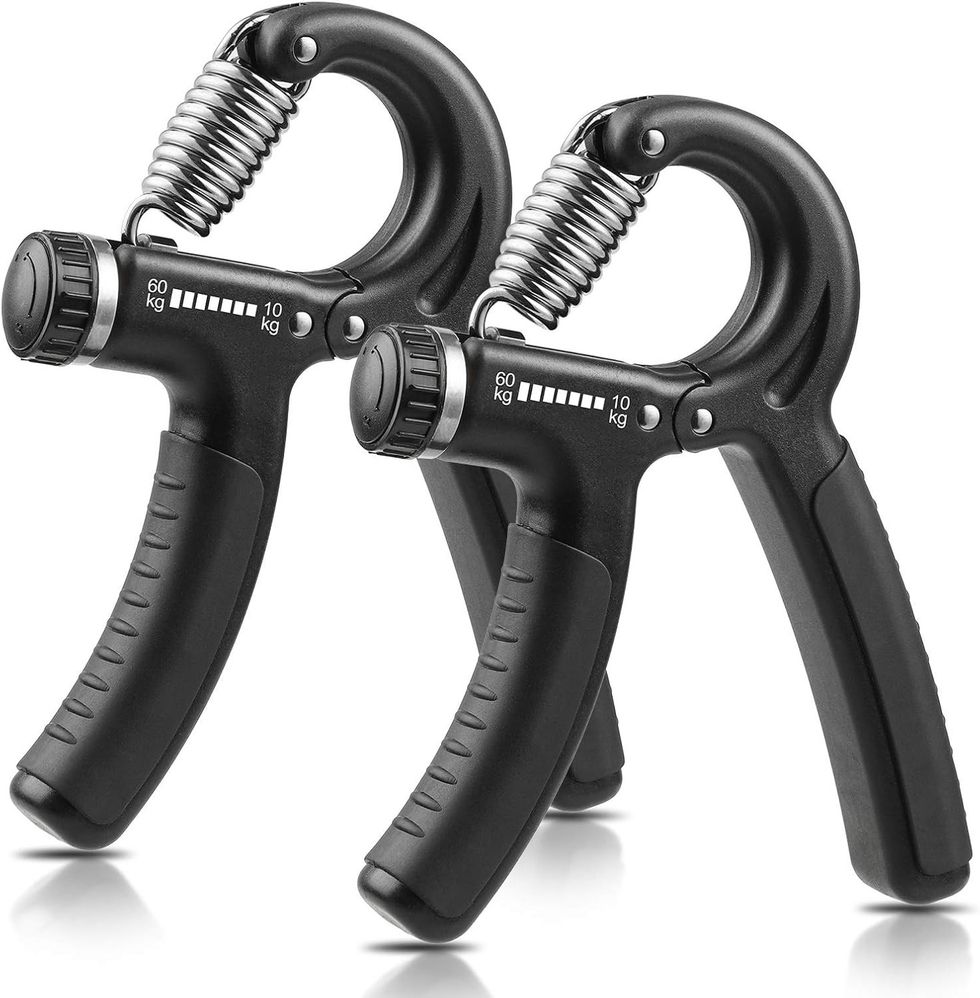
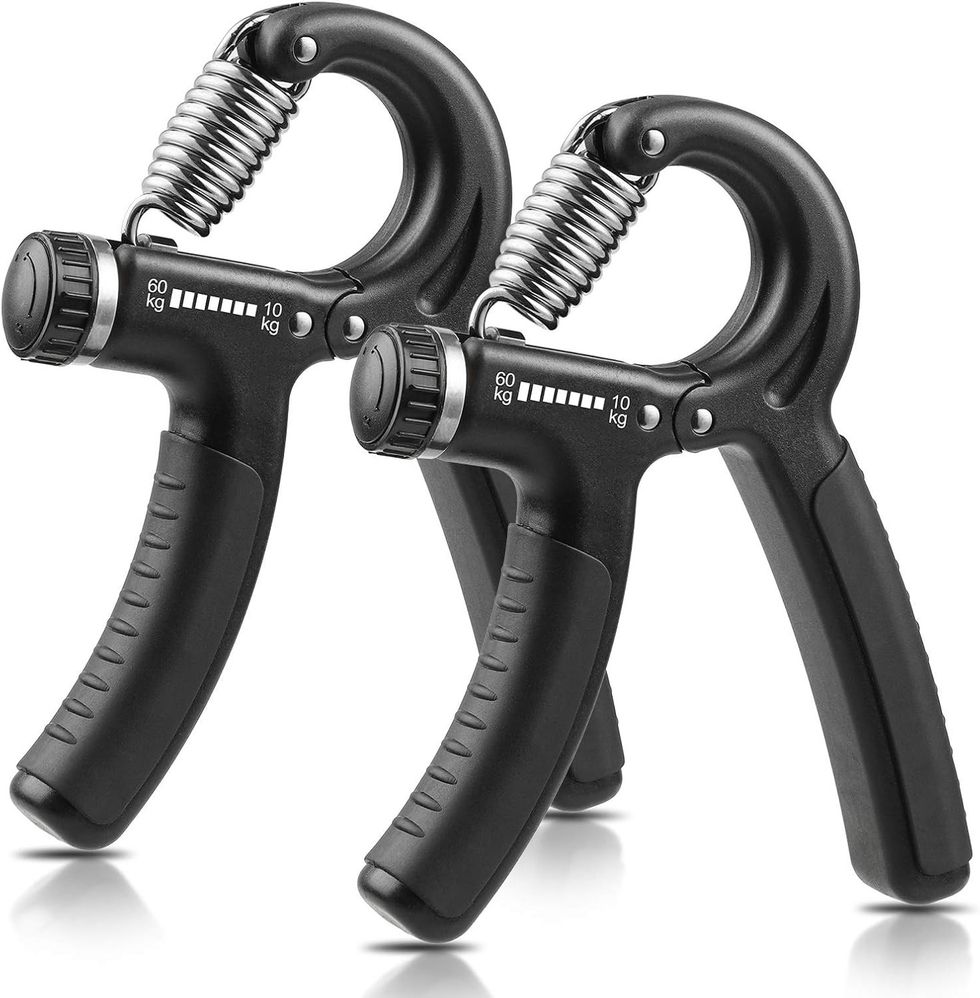 Adjustable Hand GripperAmazon
 Yoga Blocks and Stretching StrapAmazon
 Workout Resistance Loop BandsAmazon