
- Bryan Allen translates campaign website and leaflets into Gujarati
- Outreach targets older Indian American residents in Bensalem
- Asian Indians make up about 7.75 per cent of Bensalem’s population
- Education funding and affordability top voters’ concerns, Allen says
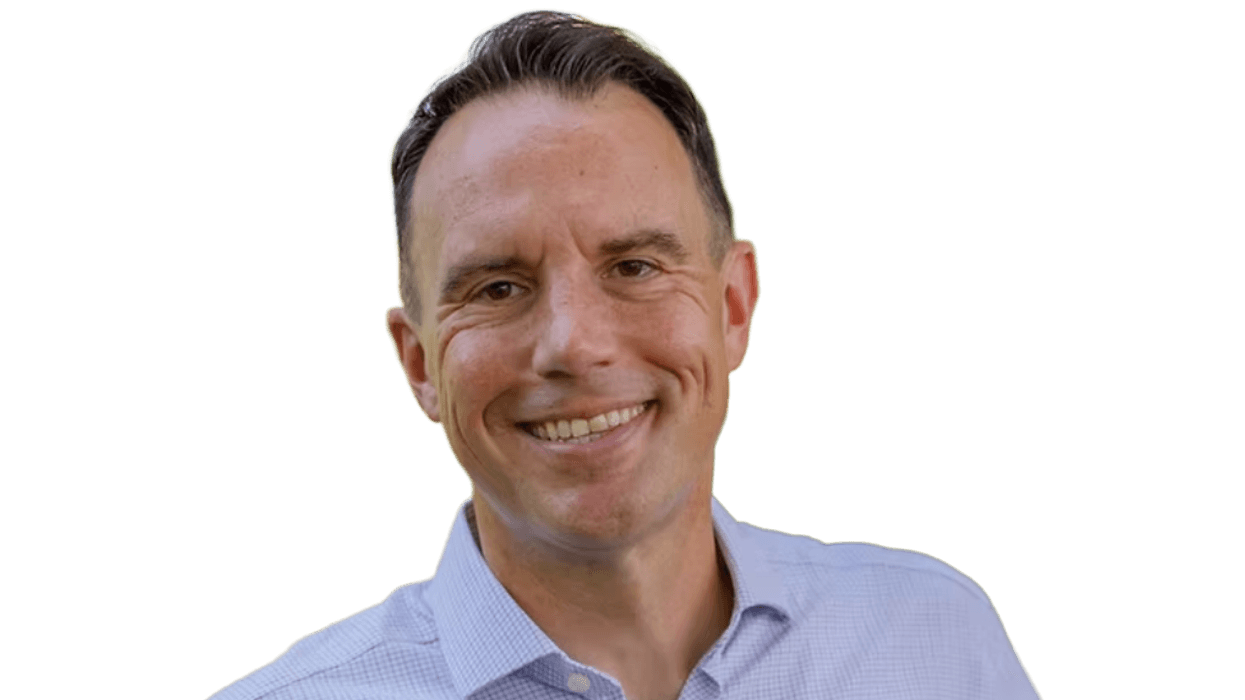
BRYAN ALLEN is taking his campaign into Gujarati as he seeks to reach Indian American voters in Bensalem, Pennsylvania. His campaign has translated its website and door-to-door literature into Gujarati, particularly to reach older residents for whom the language remains their first.
In an exclusive interview with India Weekly, Allen, the Democratic candidate challenging Republican incumbent KC Tomlinson in Pennsylvania’s 18th Legislative District, said the outreach grew from years of community involvement. The 2020-24 American Community Survey estimates put Bensalem’s Asian Indian population at 4,869, or about 7.75 per cent of its 62,818 residents. Allen’s campaign supplied an estimate of approximately 2,927 Indian voters but did not clarify whether this referred to registered voters or explain its methodology. The general election is scheduled for November 3.
Allen said his connection with Indian American residents developed through local government, state politics and friendships in Bensalem and Lower Bucks County. He served two terms on Bensalem Township Council and worked for more than a decade as chief of staff to state representative Tina Davis, according to his campaign biography.
“They're my friends. I've coached kids from the community here,” Allen said.
He recalled being invited to weddings, religious occasions and Diwali celebrations. A BAPS temple in Levittown was also part of those connections, he said, because it had been in the district of a former state representative with whom he worked.
“There are, you know, especially some of the older generation that's living here, where, you know, Gujarati is still their first language. And we wanted to make sure they could, you know, receive the message of the campaign as well,” he said.
Making the campaign accessible
The campaign’s Gujarati-language website sets out Allen’s background, policy priorities and ways to volunteer, with information on public education, energy costs and affordability. The campaign said the website and printed walking literature were translated by a native speaker from the community.
Karla Shaffer, who joined the interview, said the team had reviewed the wording despite not speaking Gujarati.
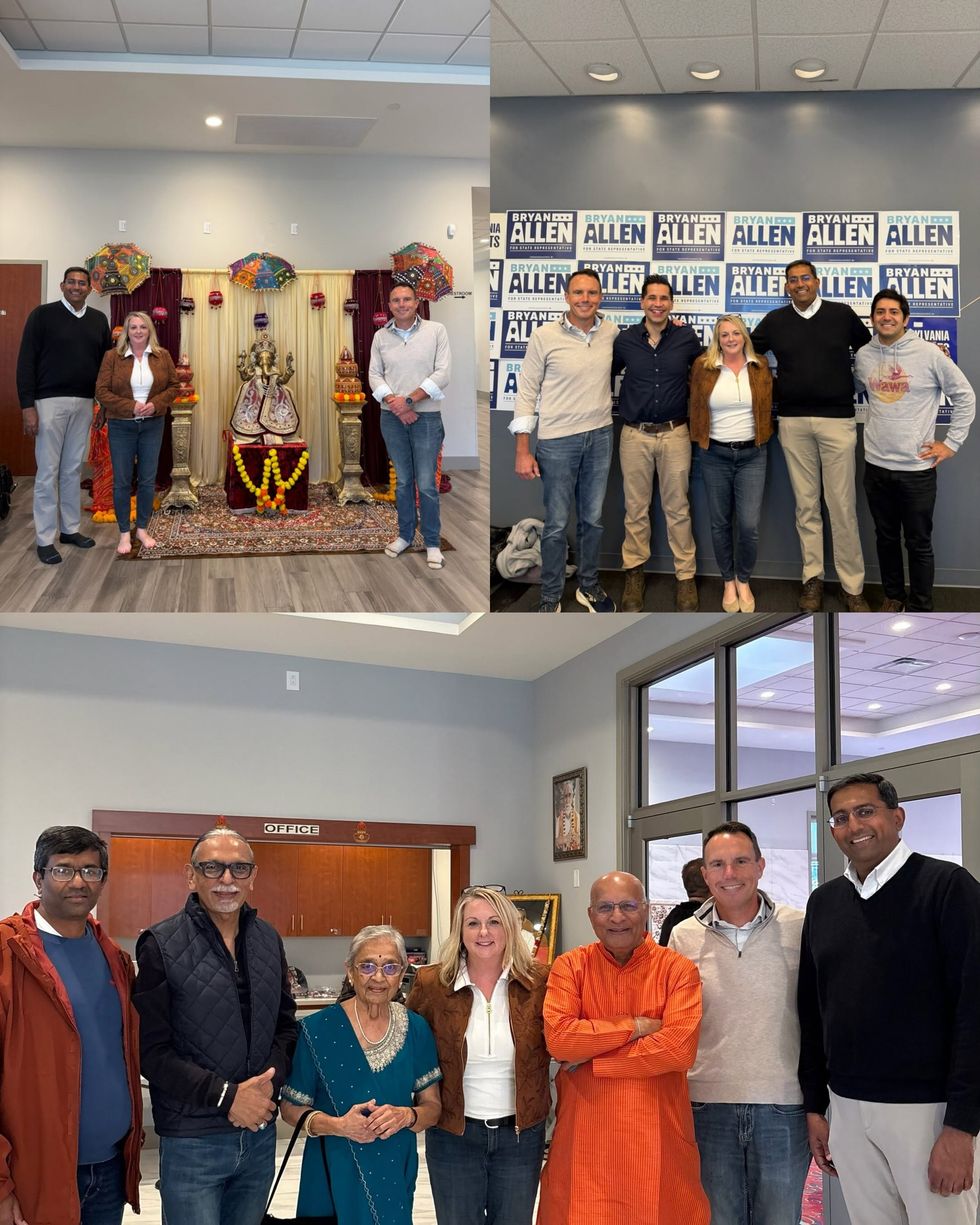 For Allen, the Gujarati-language campaign is part of an effort to maintain contact with residents beyond the election. Bryan Allen for PA
“But I mean, we went back and forth with these translations for like almost two months. And so, you know, we feel like it's at a point where we've ran it through multiple sets of eyes, especially because we don't speak Gujarati,” Shaffer said.
Allen said he believed the material was helping the campaign connect with residents. He said he had personally knocked on nearly 15,000 doors since the campaign began in January, returning to some neighbourhoods several times.
“When I go into certain communities now, people know who I am,” he said.
He described residents greeting him and saying they were excited to vote. “And it definitely seems like it's resonating,” he said.
In an earlier email to India Weekly, campaign deputy communications director Marley Ramon said the campaign had knocked on nearly 2,000 doors during its South Asian Day of Action and attended a local Navratri celebration. The campaign did not provide a breakdown of how many contacts were with Indian American or Gujarati-speaking households.
Allen said community members had helped shape the campaign’s outreach.
“We're not cooking things up in a campaign lab. It's very organic. You know, we have the support here from the community and they're part of this campaign,” he said.
The campaign did not provide figures on website visits or distribution of translated literature, or evidence that the material had changed voting intentions. Allen’s assessment was based on responses he said he had encountered while canvassing.
Education and affordability
Education was the principal reason Allen decided to run for the state House. He has three children in public schools and said the district’s financial problems had prompted him to become more involved.
“Well, I got into this race mainly because of education. I have three children in the public schools here, one in high school, one in middle school, and one in elementary school,” he said.
Allen recalled that a newly elected school board was told early in its term that the district faced a substantial deficit, raising the prospect of programme and staff cuts and another property-tax increase. He said the superintendent and business manager had told the board “that we had a $17 million deficit in our district.”
The amount reported during the district’s 2026-27 budget process varied. The Philadelphia Inquirer reported a $12 million gap in April, while Patch reported a $16 million deficit in August. The board approved eliminating 31 positions and adopted a 4.2 per cent property-tax increase.
Allen said Pennsylvania needed to address how public education was funded. In 2023, Commonwealth Court ruled that the state’s school-funding system violated the state constitution’s education and equal-protection provisions. He also criticised the distribution of public education funding to private entities.
“Money being diverted out of the schools into private entities has put a big dent in our children's future here,” he said.
Allen said education came up during a visit to a Bensalem resident’s home, where members of a temple gathered on Sundays. According to Allen, residents raised concerns about local school ratings and whether families might move if they believed standards were declining.
Affordability was another recurring subject among residents, including Indian American families.
“And the other thing is, you know, affordability, I know, has become a buzzword, but it's real,” Allen said.
He described speaking with people who worked multiple jobs but still felt financially stretched. “I've been talking to people one-on-one, door-to-door, and there's people that are working two, three jobs and they feel like they're still falling further and further behind,” he said.
Allen linked fuel prices to grocery costs and said households using heating oil were concerned about winter. He said that in some parts of the community, “it's almost $7 a gallon right now”. The price was not independently verified for this article.
Immigration and political representation
Asked about uncertainty surrounding H-1B visas and long waits for employment-based green cards, Allen called for reform but did not outline a specific state-level remedy for those federal policies.
He argued that border security should be accompanied by a clear process for people seeking to come to the United States legally.
“You know, they talk about border security, which is important, but you have to give a pathway and make it, you know, make the process easier for people who want to do it the right way to make sure they can come here and have an opportunity,” he said.
Allen also described a conversation with a Bensalem resident working in finance who, according to Allen, feared being stopped by immigration authorities. The individual did not speak to India Weekly, and the account could not be independently verified.
“Just because he doesn't look like I do, he's a target,” Allen said. “He's targeted because of the color of his skin.”
Allen linked his concerns to a proposed partnership between Bensalem and federal immigration authorities under the 287(g) programme during Donald Trump’s first administration. The programme allows federal authorities to delegate certain immigration-enforcement functions to participating local law-enforcement agencies.
Allen said he opposed the proposal while serving on township council. WHYY reported in 2018 on the proposal and public opposition, as well as differing statements from township officials about whether a formal partnership would proceed. The township did not pursue the agreement.
Allen said he would help residents regardless of political affiliation or background.
“I would certainly be a representative for everybody, Republican, Democrat. It doesn't matter to me. I just want to help, you know,” he said.
He said his work in the state House had involved assisting constituents regardless of their immigration status.
“I was there to help them. That's my job. And that's why I'm in this, to serve the public,” he said.
Allen also wants Indian American residents to take a more active role in civic life, including standing for elected office. He said that during his five years as chair of the Bensalem Democratic Organization, it had supported Indian American candidates for township council and state representative. He also said an Indian American had served on the local school board.
“We don't just talk about it. We actually live it here,” he said.
Allen cited state representative Arvind Venkat, elected in 2022 as the first Indian American to serve in the Pennsylvania House, as an example of representation. He said Venkat had campaigned with his team the previous week.
Allen said some Indian American residents had not always felt represented in politics and that this could contribute to low turnout. This year, he said, he had encountered more people who told him they had already voted.
“Sometimes the voter turnout's very low because they don't feel there's a reason to vote,” he said.
The campaign did not provide district-level turnout figures for Indian American voters, so Allen’s assessment reflects his experience on the campaign trail rather than a verified measure of voting patterns.
He said residents should stay involved in civic life and consider standing for public office. He had also noticed greater enthusiasm among some voters he met.
“You know, this year I'm sensing a big difference. I think they're energized,” Allen said.
For Allen, the Gujarati-language campaign is part of an effort to maintain contact with residents beyond the election. Whether it changes turnout or political participation remains to be seen.




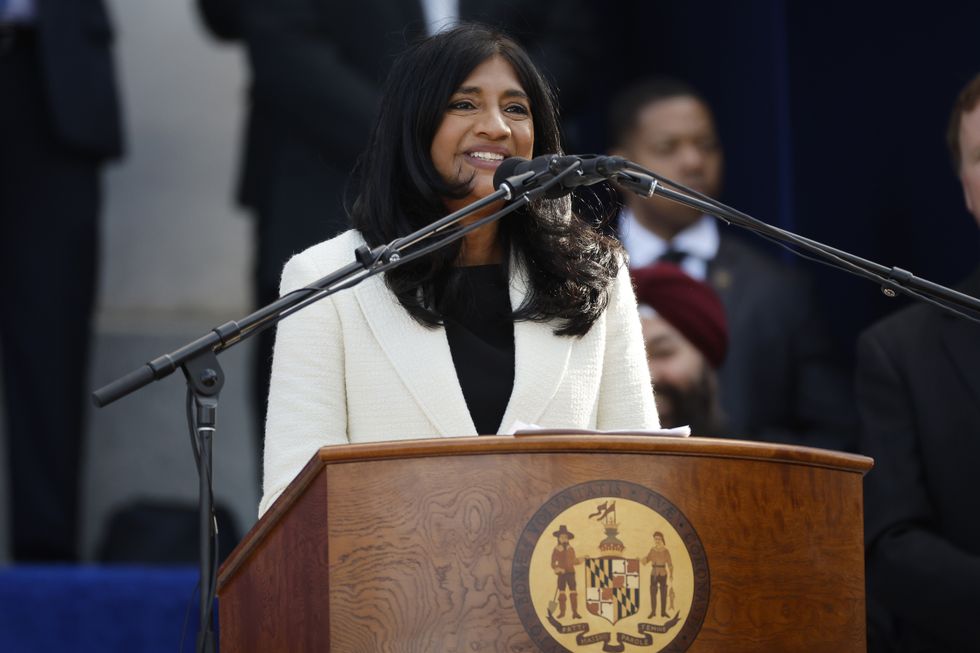 In Maryland, Hyderabad-born Lieutenant Governor Aruna Miller is seeking another term on the Democratic ticket with Governor Wes Moore. Getty
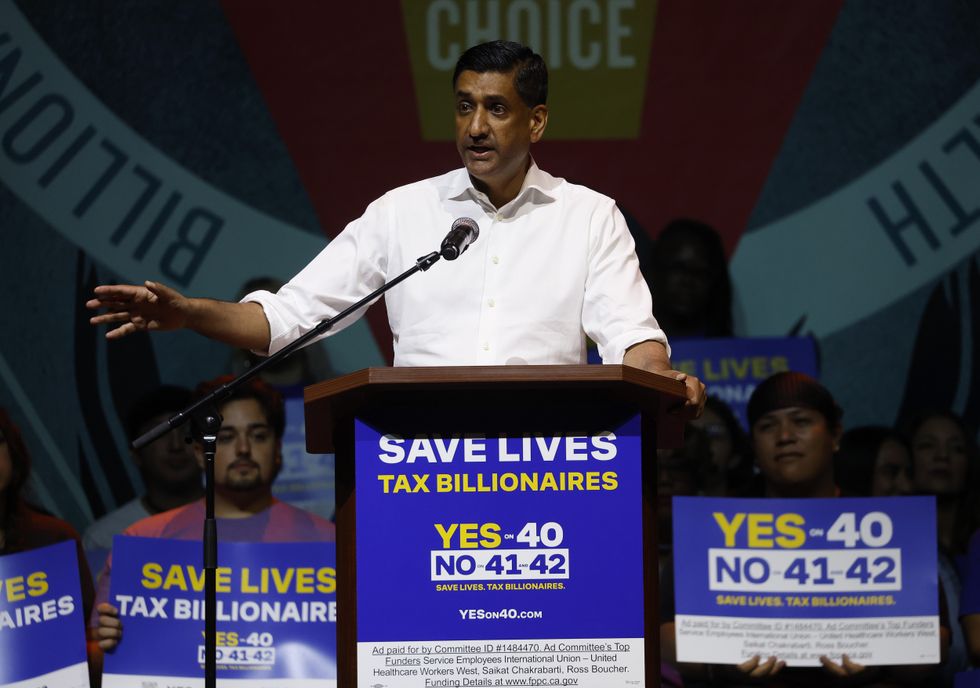 Ro Khanna is seeking re-election.Getty
 In New York, Republican Saritha Komatireddy is challenging Democratic incumbent Letitia James for attorney general. Getty
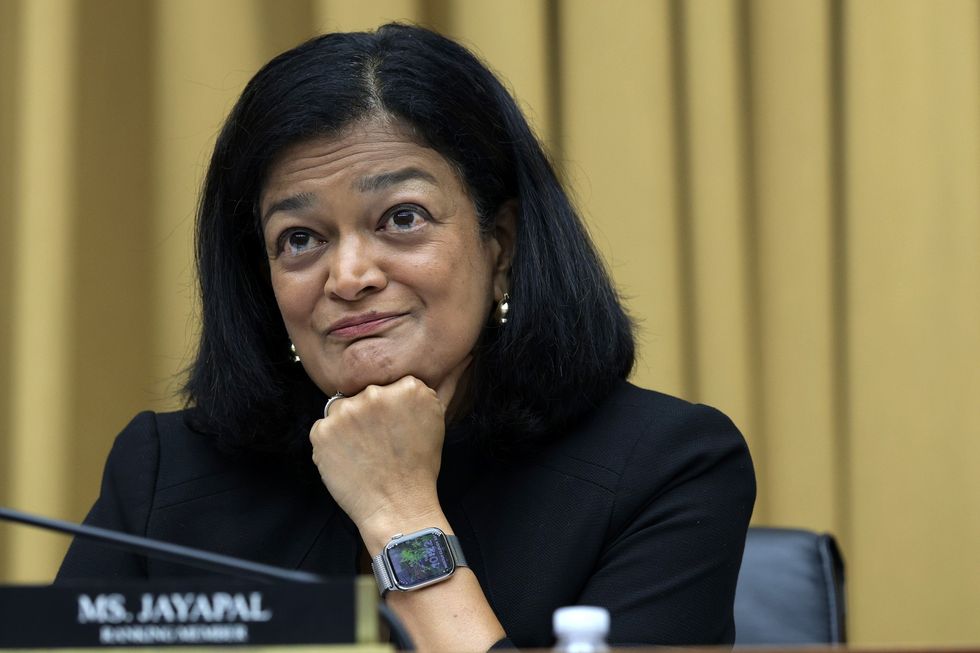 Pramila Jayapal is also seeking re-election.Getty