
India’s embassy in Moscow has confirmed the death of a citizen recruited by the Russian army, days after a relative told AFP he had been sent to fight in Ukraine.
Two years after Russia’s invasion began, tens of thousands of its soldiers have been killed in Ukraine and Moscow is on a global quest for more combatants.
The foreign ministry in New Delhi said last month that it was working to secure discharges for around 20 Indian nationals “stuck” in the Russian army.
The embassy did not state the circumstances behind Mohammed Afsan’s death but said it was in touch with his family and Russian authorities.
“Mission will make efforts to send his mortal remains to India,” the embassy wrote on X, formerly Twitter.
Afsan’s brother Mohammed Imran told AFP in February that his brother had been missing for nearly two months.
Afsan had last called from the southern Russian city of Rostov-on-Don to say that he had been deployed to the frontlines, Imran had said.
He said that another Indian soldier who managed to escape told his family that 30-year-old Afsan had been wounded by a bullet.
Afsan is the first death confirmed by Indian authorities among its citizens serving with the Russian army and the second confirmed overall.
A 23-year-old man from Gujarat state was killed in a Ukrainian airstrike while working as a “security helper”, local media reported last month, citing relatives and another Indian soldier at the frontlines.
Several Indian recruits told AFP last month that they were lured into joining up by promises of high salaries and a Russian passport before being shipped to the frontlines.
The soldiers who spoke with AFP said they had been promised non-combatant roles but were trained to use Kalashnikov assault rifles and other weapons before being sent to Ukraine. (AFP)









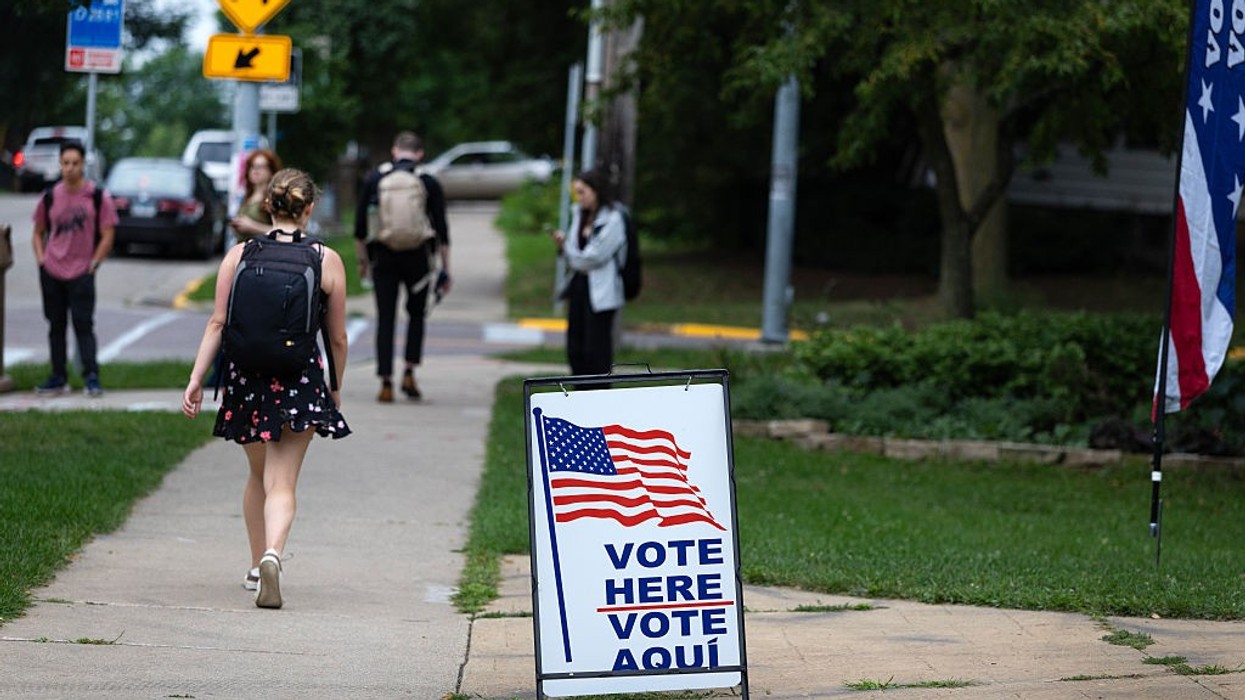
 Democratic Wisconsin gubernatorial candidate David Crowley speaks to supporters at a campaign rally on August 10, 2026 in Milwaukee, Wisconsin. Crowley is polling second behind front-runner Francesca Hong in the Democratic primary, which takes place tomorrow. Getty Images
 Wisconsin Democratic gubernatorial candidate Francesca Hong speaks to supporters during an election-night party on August 11, 2026 in Madison, Wisconsin. Recent polling had Hong with a substantial lead over her nearest Democratic rival David Crowley, but returns have shown a tight race throughout the evening with the two candidates trading slight leads.Getty Images
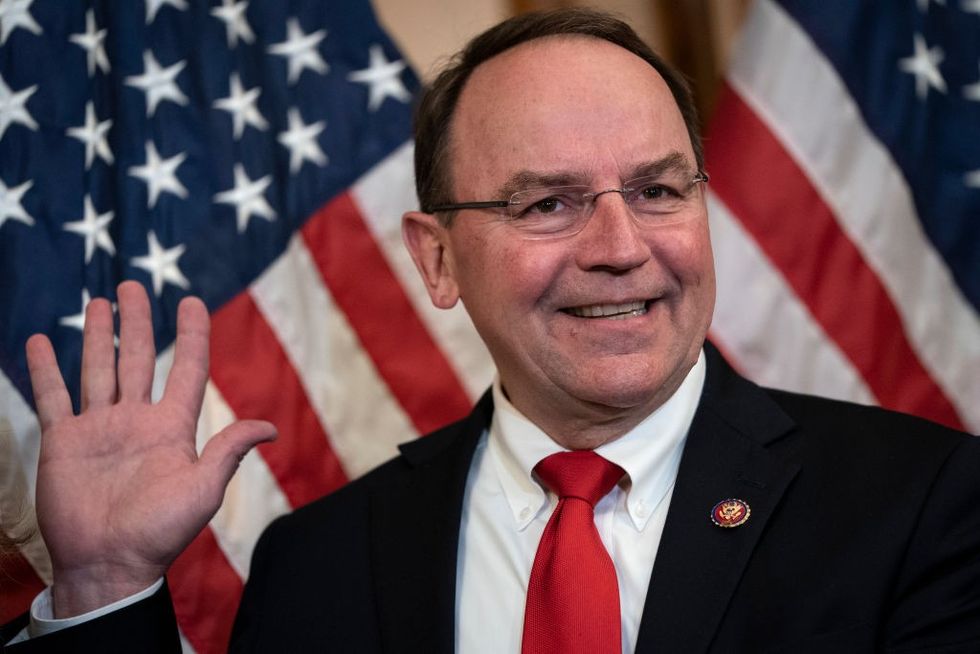 Rep. Tom Tiffany (R-WI) participates in a ceremonial swearing-in at the U.S. Capitol on May 19, 2020 in Washington, DC. Rep. Tom Tiffany (R-WI) and Rep. Mike Garcia (R-CA) were both officially sworn-in as new House members on Tuesday morning.Getty Images