
Highlights:
- Passengers from the MV Hondius are returning to their home countries.
- WHO recommended a 42-day quarantine for all passengers.
- Seventeen Americans will undergo monitoring in Nebraska.
- CDC officials said the outbreak is “not COVID.”
- Three people linked to the outbreak have died so far.
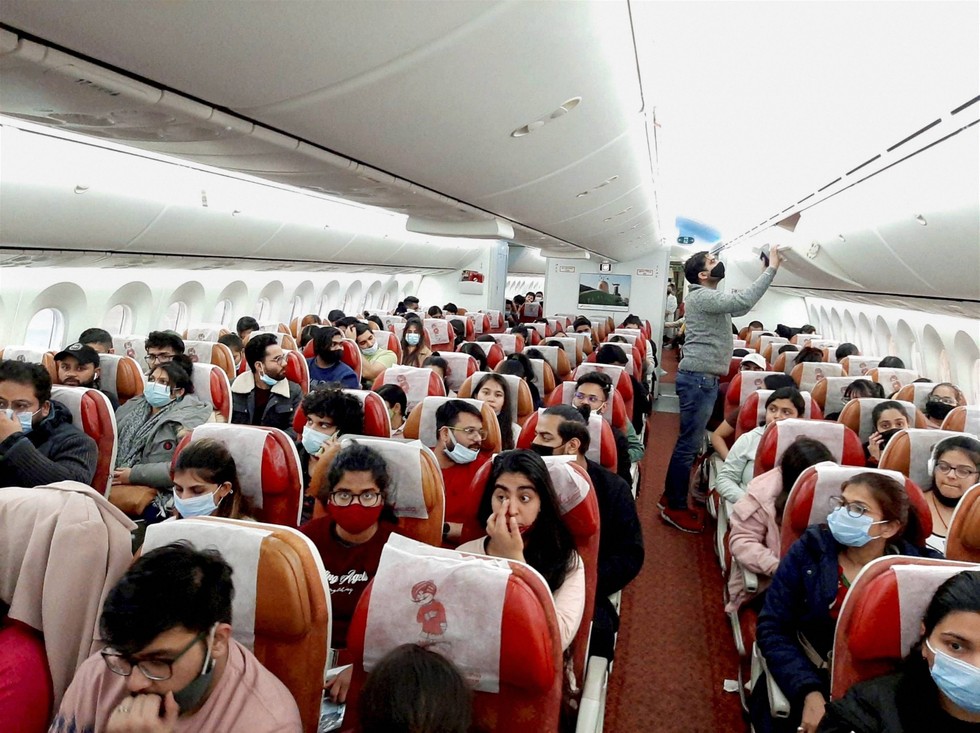
Health authorities said passengers and crew from the MV Hondius cruise ship have disembarked after a deadly hantavirus outbreak onboard. Officials said passengers are now being evacuated to their home countries and will follow national isolation protocols to stop any further spread of the virus.
Passengers will be tested after arriving in their countries. Depending on their condition, they may be taken to hospitals, quarantine facilities, or sent home for isolation.
The World Health Organization recommended a 42-day quarantine period for all passengers from the ship beginning Sunday.
At the same time, the Centers for Disease Control and Prevention and the WHO tried to calm fears of another COVID-like pandemic.
CDC Acting Director Jay Bhattacharya spoke about the outbreak during an interview with CNN’s Jake Tapper on Sunday.
“This is not COVID, Jake, and we don't want to treat it like COVID,” Bhattacharya told Tapper.
Seventeen American passengers are expected to return to the United States in the coming days after leaving the ship in Tenerife.
Authorities said the Americans will be taken to Nebraska’s National Quarantine Unit for medical assessments and monitoring. Officials added that the operation will follow strict containment measures and there will be no public interaction during transport.
A total of 147 passengers had been onboard the cruise ship.
Bhattacharya repeatedly said the outbreak does not resemble the early days of COVID-19. He said current hantavirus containment methods have worked successfully in the past.
“We don't want to cause a public panic over this. We want to treat it with the hantavirus protocols that we - that, again, were successful in containing outbreaks in the past. And so we followed those protocols,” he noted.
“This health alert is coming up because, again, there's this discrete event of the 17 arriving in the United States very, very soon. And so we just want to make sure that the medical community understands this.”
“The key message I want to send to your audience is that this is not COVID. This is not going to lead to [that] kind of outbreak.”
Bhattacharya also explained why health officials believe the risk of wider transmission remains low.
“In this case, risk doesn't mean the risk of dying...The risk is a high risk if they have been in close contact with somebody who was symptomatic,” he explained.
“If they weren't in close contact with someone who was symptomatic, then we're going to deem them a low risk. If they were in close contact, we're going to deem them a medium or high risk.”
He also said that seven Americans who had returned home from the ship weeks earlier were not showing symptoms and did not pose a risk to others.
“If they don't have symptoms, they're not at risk of exposing others,” he said.
Health officials said hantavirus is usually spread by rodents. In rare cases, it can also spread from person to person through close contact.
The outbreak was first identified on May 2 in Johannesburg, where doctors treated a British man who became seriously ill. He was taken to intensive care 21 days after another passenger from the ship had died.
A WHO official said on Sunday that the British man’s condition has improved.
According to the WHO, the first passenger who died may have been infected before boarding the ship. Officials believe the person may have contracted the virus while traveling in Argentina or Chile.
WHO data released Friday showed that eight people who had left the ship later became ill. Six of them were confirmed to have hantavirus.
Three people linked to the outbreak have died. They include a Dutch couple and a German national.
Four others remain hospitalized in South Africa, the Netherlands, and Switzerland.
On Tristan da Cunha, a remote British overseas territory, a suspected case is being treated by medical specialists sent by the UK military.