
Highlights:
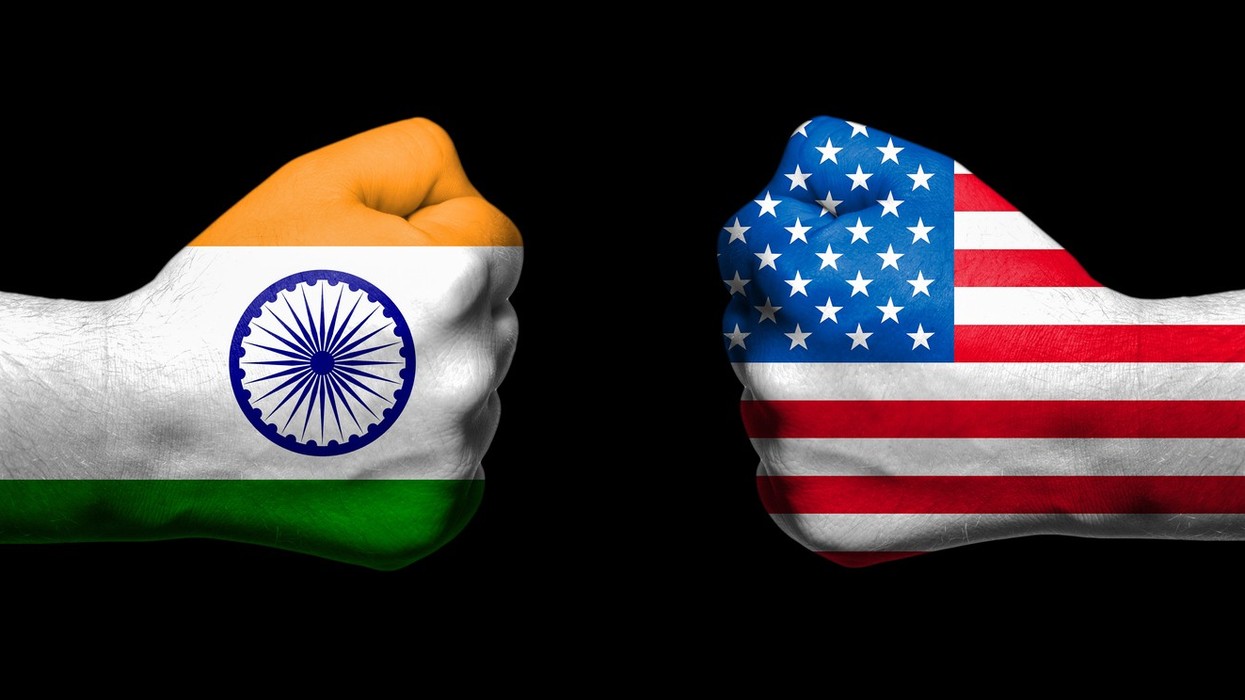
India is preparing to challenge the proposed US tariffs on its exports at a public hearing before the Office of the United States Trade Representative (USTR) on July 8. The government plans to argue that the findings related to alleged forced labor are legally flawed and fail to recognize India’s existing labor protections. Officials also say the proposed tariffs could negatively affect American businesses and consumers.
Representatives from India’s ministry of commerce will attend the hearing along with several major industry organizations. These include the Agricultural and Processed Food Products Export Development Authority (APEDA), the Federation of Indian Chambers of Commerce and Industry (FICCI), the Confederation of Indian Industry (CII), and the Automotive Component Manufacturers Association (ACMA).
Before the hearing, India submitted written responses to the USTR explaining its position. The government stated that the USTR findings do not adequately consider the country’s “robust domestic legal regime”, which it describes as a structured framework combining statutory prohibitions, institutional mechanisms and ongoing policy measures aimed at preventing forced labour.
According to the submission, India’s legal and regulatory framework reflects a progressive approach that reduces the risk of forced labor across supply chains. The government argues that these measures should have been taken into account before proposing additional trade restrictions.
Industry organizations have also defended India’s labor and compliance standards.
The Confederation of Indian Industry (CII) stated that India’s policy framework does not qualify as “unreasonable” or “discriminatory” under Section 301(b) of the US Trade Act of 1974. It also said that India has a strong constitutional and statutory system that prevents companies from engaging in forced labor.
The Federation of Indian Chambers of Commerce and Industry (FICCI) said Indian export supply chains serving the US market operate under established compliance systems that include traceability, supplier due diligence, independent audits and responsible sourcing practices.
The Automotive Component Manufacturers Association (ACMA) also defended the industry. It said India’s auto component sector is organized, technology-driven, and governed by well-established labor and compliance systems. According to ACMA, forced labor is neither a feature of nor consistent with the sector’s operations.
Several other organizations have also submitted responses to the USTR. These include the All India Spice Exporters Forum and the All India Vegetables Dehydrated Manufacturer Development Association.
Last month, the USTR proposed an additional 12.5% tariff on imports from India under forced labor-related trade measures. The proposal was made under Section 301 of the US Trade Act of 1974 and also covers several other countries.
Section 301 is one of the strongest unilateral trade tools available to the United States. It allows the US government to investigate foreign trade practices that it considers unfair and impose tariffs or other trade restrictions if necessary.
India has maintained that the USTR findings overlook the country’s legal and institutional safeguards. The government also argues that imposing the proposed tariffs would not only affect Indian exporters but also increase costs for American businesses and consumers who rely on Indian goods.