
Highlights:
- Three Mamdani-endorsed candidates win New York primaries
- Victories boost the mayor's influence within the Party
- Wins include key House races in the 7th, 10th, and 13th districts
- Victories could reshape Democratic politics ahead of the general election
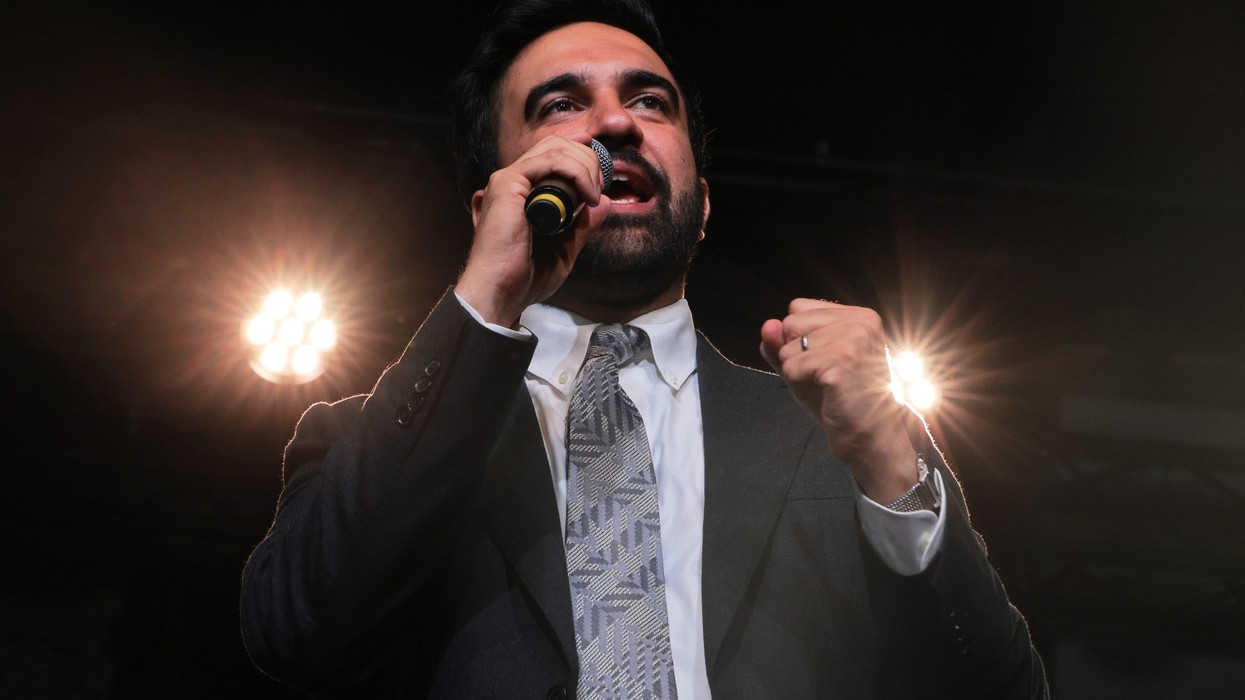
NEW YORK mayor Zohran Mamdani strengthened his position within the Democratic party after three candidates he backed won congressional primaries on Tuesday (24), delivering his first major political victory since taking office earlier this year.
Former New York City comptroller Brad Lander defeated Representative Dan Goldman in the 10th Congressional District, state assemblymember Claire Valdez secured the Democratic nomination for an open House seat in the 7th District, and activist Darializa Avila Chevalier unseated Representative Adriano Espaillat in the 13th District.
The victories came after months of campaigning by Mamdani, who personally backed all three candidates in races widely seen as a test of whether his popularity could extend beyond his own mayoral campaign.
“He is extraordinarily smart, charismatic and tactical. The timing choice was perfect: he is still in a political honeymoon with voters and has not yet made the kind of political and governmental errors which might have created the ground for a different set of results,” Hank Sheinkopf, a veteran New York Democratic strategist, told India Weekly.
According to Sheinkopf, the victories reflected Mamdani’s political appeal more than any record in government.
“Little policy has been as yet enacted,” he said.
“It is thus far more about the mayor’s personal popularity, hatred for Donald Trump, and Washington Republican policy direction.”
The three victories marked Mamdani’s biggest political test since becoming mayor and demonstrated his willingness to challenge the Democratic establishment.
According to the New York Times, Mamdani had begun encouraging progressive candidates to run for congressional seats even before securing his own mayoral victory, believing several districts were ready to elect candidates aligned with his politics.
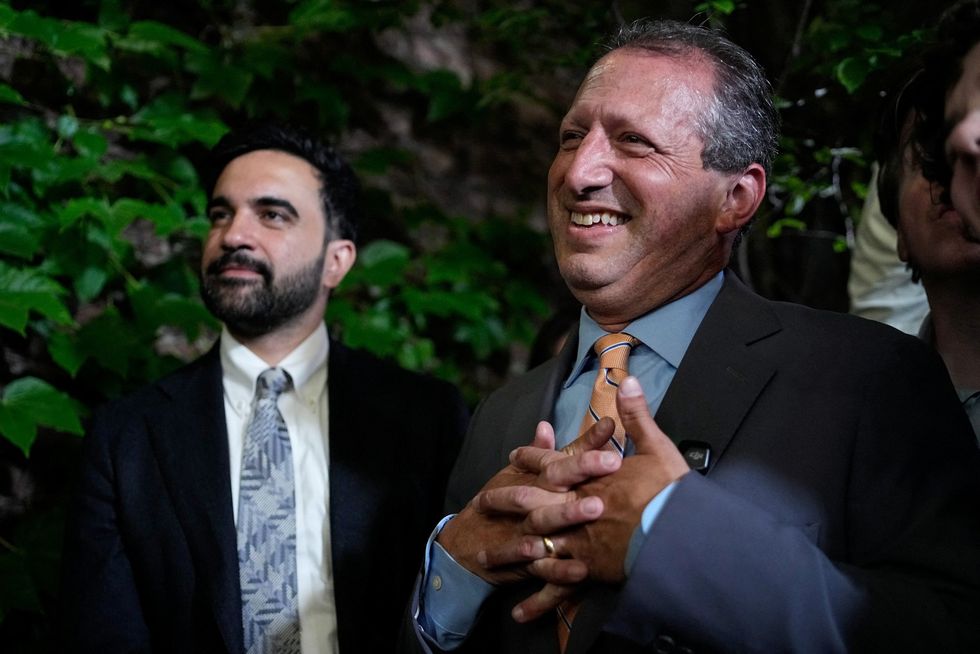 Zohran Mamdani and Brad LanderGetty Images
His strategy also carried political risks. Rather than backing only established Democrats, Mamdani endorsed challengers against influential figures within his own party, knowing defeats could weaken his standing only months into his mayoralty.
The biggest upset came in the 13th District, where Avila Chevalier, a firsttime candidate and member of the Democratic Socialists of America (DSA), defeated Espaillat, a five-term congressman and chairman of the Congressional Hispanic Caucus.
Espaillat had endorsed Mamdani after last year’s mayoral primary and helped consolidate Latino support behind him. Mamdani later broke with the incumbent and backed Avila Chevalier instead, a decision that strained relations with parts of the Democratic establishment.
The endorsement also put him at odds with House Democratic leader Hakeem Jeffries, who supported Espaillat. Valdez’s victory in the neighbouring 7th District carried similar significance.
Encouraged by Mamdani to enter the race, the state assemblymember defeated Brooklyn borough president Antonio Reynoso despite his backing from retiring Representative Nydia Velázquez, the Working Families Party and several major labour unions.
Lander completed the sweep in the 10th District by defeating Goldman after a campaign in which the war in Gaza and US policy towards Israel became major issues. Lander called for an end to US military aid to Israel, while Goldman was backed by the American Israel Public Affairs Committee.
At a victory celebration in Brooklyn, supporters chanted “Free, free Palestine” and “DS.A.” before Mamdani addressed the crowd.
Calling the outcome “a new chapter in our party’s history,” he said: “A year ago, it was not the end of a political movement. It was the beginning.”
 According to veteran New York Democratic strategist Sheinkopf, the victories reflected Mamdani’s political appeal more than any record in government..Hank Sheinkopf
While Mamdani’s supporters viewed the results as a sign of growing support for progressive politics, Sheinkopf urged caution in interpreting the outcome.
“The turnouts were intense among certain age groups and demographic groups but overall were low in numbers,” he told India Weekly.
“This attests to excellently run and organized campaigns and not to overall swells of support.”
Despite that caution, the victories have intensified debate within the Democratic Party over the growing influence of progressive candidates and what the results could mean beyond New York.
The results also highlighted the challenge facing Democratic leaders as they seek to regain control of the House of Representatives in November.
While Mamdani-backed candidates won comfortably in heavily Democratic districts, some party strategists fear their positions could complicate efforts to win competitive races elsewhere in the country.
That concern centred largely on Avila Chevalier, whose past social media posts became an issue during the campaign.
Reuters reported that some Democratic strategists believe earlier posts calling for abolishing police and border controls, and questioning Israel’s right to exist, could provide Republicans with fresh ammunition against Democratic candidates in swing districts. Avila Chevalier has since deleted the posts and apologised for some of the language.
In an interview with a consortium of editors last week, she said: “I think that we just should not have a system that allows (migrant) deportation to happen at all,” saying it “is rooted in deeply racist ideology.”
Espaillat repeatedly highlighted those comments during the campaign.
In a June 16 post on X, he wrote: “Darializa has taken very extreme positions as reflected in her comments on social media not too long ago.”
He added: “She is unfit for office and voters are smart enough to see that.” The outcome also raises questions for House Democratic leader Hakeem Jeffries, who backed Espaillat and is expected to become Speaker if Democrats regain control of the House.
Sheinkopf believes the victories could create new challenges for the party leadership.
“Democratic Socialists – who are not Democrats – are likely to make issues in competitive House of Representatives races around the country,” he said.
“This is of no consequence to them. They will act as they choose when seated in the House, which is not necessarily to assist or to cooperate with leadership.”
He added: “Also Hakeem Jeffries’ home district is filled with DSA members and supporters. How he adjusts to this is not yet clear.”
For Mamdani, however, the immediate significance lies closer to home.
Only months after taking office, he has shown that he can do more than win his own election. His endorsements, campaign organisation and political network helped deliver victories for candidates he personally supported, despite opposition from influential Democratic figures.
The primaries also came with political costs.
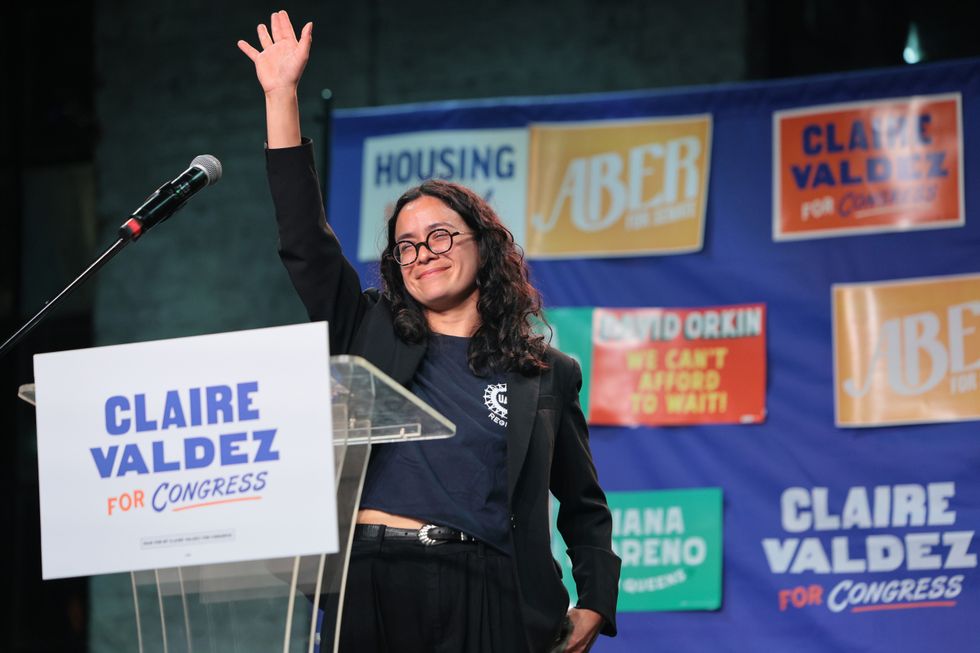 Claire Valdez secured the Democratic nomination for an open House seat in the 7th DistrictGetty Images
By backing challengers against established Democrats, Mamdani strained ties with Velázquez, sections of the Working Families Party, prominent Black and Latino Democrats and labour unions that had supported his own mayoral campaign.
Even so, the results have strengthened his standing within New York’s progressive movement and established him as one of its most influential figures.
They have also added to Mamdani’s growing national profile as one of the most prominent politicians of Indian origin in the United States.
Asked about the broader significance of Mamdani’s rise, Sheinkopf said it was “rather important.”
“His south Asian roots disguise his origin in Uganda, the most anti-gay nation likely in the world. Moreso, he reflects the fact that this is no longer a European derivative nation, with more than 50 percent of the population can trace roots to non-European locales.”
Whether the primary results signal a broader shift within the Democratic Party or remain largely confined to New York’s progressive districts will become clearer in the months ahead.
For now, Mamdani has achieved what few first-term mayors manage so early in office. By helping three allies secure congressional nominations, he has demonstrated that his influence extends beyond City Hall, ensuring that his role in shaping the future direction of New York Democrats will remain closely watched in the run-up to the November elections.

 Outlook

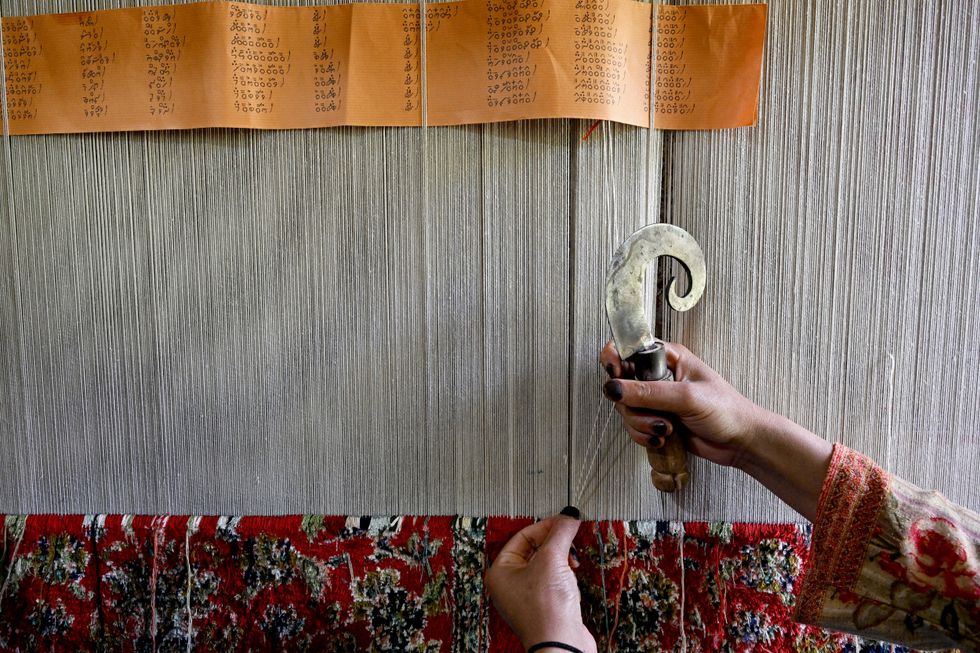 A Kashmiri craftswoman weaves a silk carpet at a factory in SrinagarTauseef Mustafa/AFP via Getty Images
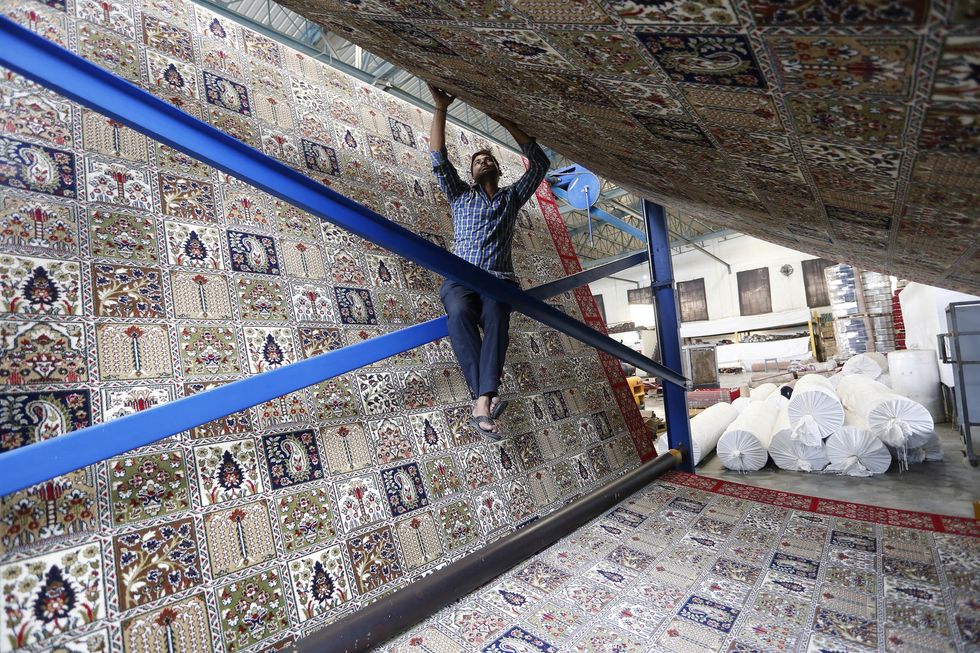 A worker weaves a carpet at a factory on the outskirts of JammuAlok pathania/AFP via Getty Images
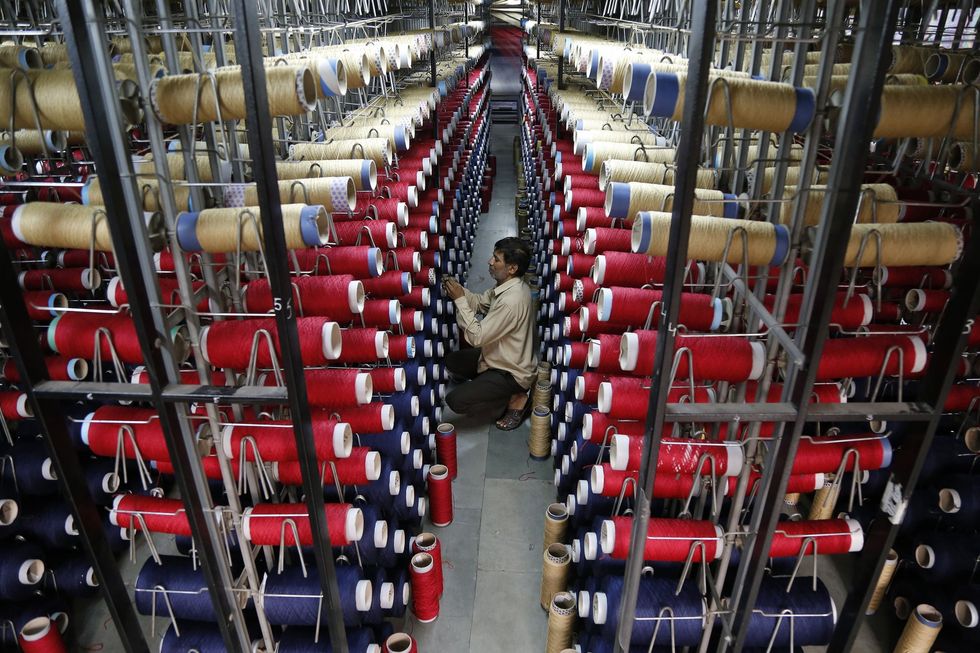 A worker checks thread reels at a carpet factory in JammuAlok pathania/AFP via Getty Images
 Getty Images