

WATER disputes between India and Pakistan were back into focus as Islamabad has raised objections to the design of India’s Kiru hydroelectric plant, a mega 624 megawatt (MW) project over the Chenab river in Jammu and Kashmir. New Delhi has countered the objection saying the project is fully compliant with the two neighbours’ Indus Waters Treaty which was signed in 1960, officials on Tuesday (24) said.
Pradeep Kumar Saxena, India’s Indus commissioner, told Press Trust of India that his Pakistani counterpart Syed Muhammed Meher Ali Shah raised the objections last week.
Saxena said the design of the project, which is a run-of-the-river scheme in the Kishtwar Tehsil of Doha district in Jammu and Kashmir, is in complete compliance with the provisions of the treaty. The project is being implemented by Chenab Valley Power projects Limited, a joint venture of the National Hydropower Company and Jammu and Kashmir State Power Development Corporation. It has also been certified by the Central Water Commission, an apex organisation in India in the water-resources sector.
'India is a responsible upper riparian state'
“As a responsible upper riparian state, India is committed for full utilisation of its rights and believes in an amicable resolution the issues raised by Pakistan side in letter and spirit of the treaty,” Saxena said, adding, “Pakistan’s objections on this project may come up for discussions in the next meeting of the Permanent Indus Commission scheduled this year in Pakistan. In the forthcoming meeting, the Indian side will explain its position and hope that Pakistan will appreciate the same and its apprehensions will be addressed through discussions.”
Under the treaty, Pakistan can raise objections to the Indian design within three months of the receipt of the information. India gave information on the project to Pakistan in June.
As per the IWT, all the waters of the eastern rivers – Sutlej, Beas and Ravi – amounting to around 33 million acre feet (MAF) annually is allocated to India for unrestricted use. Similarly, the waters of the three western rivers – Indus, Jhelum and Chenab – amount to 135 MAF annually has been largely assigned to Pakistan.
While the treaty gives India the right to generate hydroelectricity through run-of-the-river projects on the western rivers subject to specific criteria for design and operation, it gives Pakistan the right to object to designs of Indian hydroelectric projects on the western rivers.
Saxena said India is allowed to build run-of-the-river plants on the western rivers with limited storage under the treaty.
Earlier this year, Shah raised objections to the designs of Pakal Dul and Lower Kalnai hydropower projects in Jammu and Kashmir during a meeting with Saxena. India said on the occasion that the designs comply with the treaty.




 A 1996 photo of rapper Tupac Shakur (L) and Marion "Suge" Knight is shown on screens during closing arguments in the Duane Davis murder trial, related to the 1996 killing of rapper Tupac Shakur, at Clark County District Court at the Regional Justice Center in Las Vegas, Nevada, on August 31, 2026. Getty Images






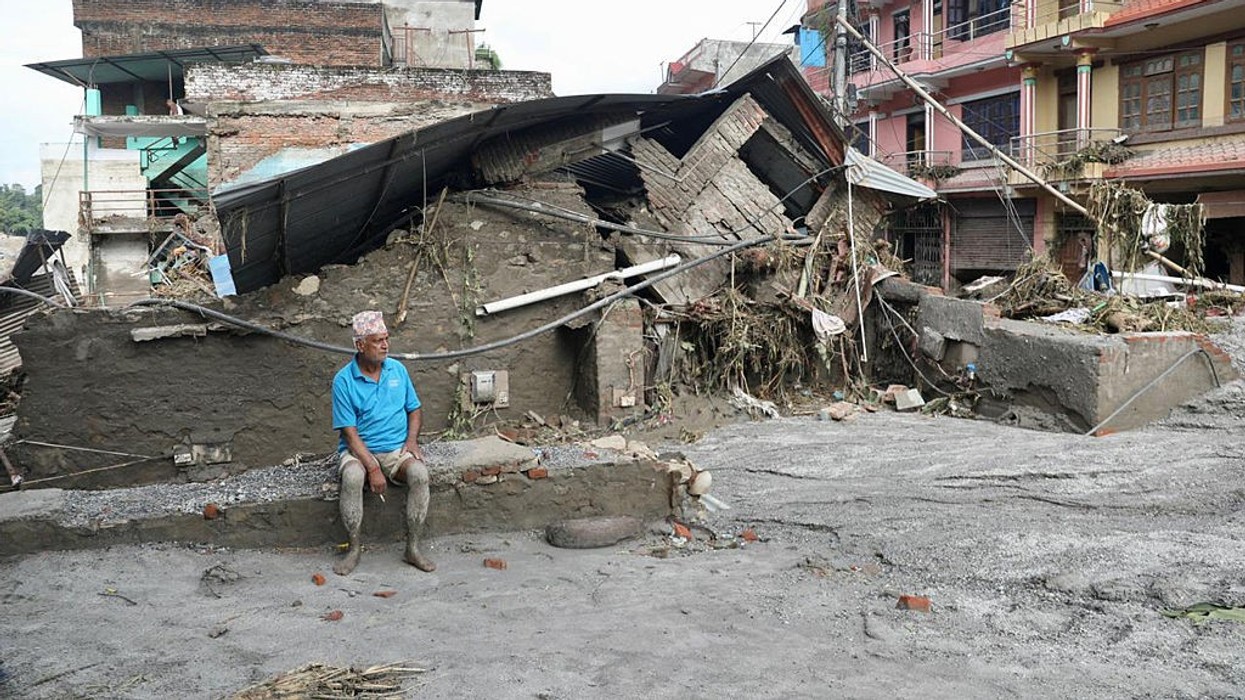
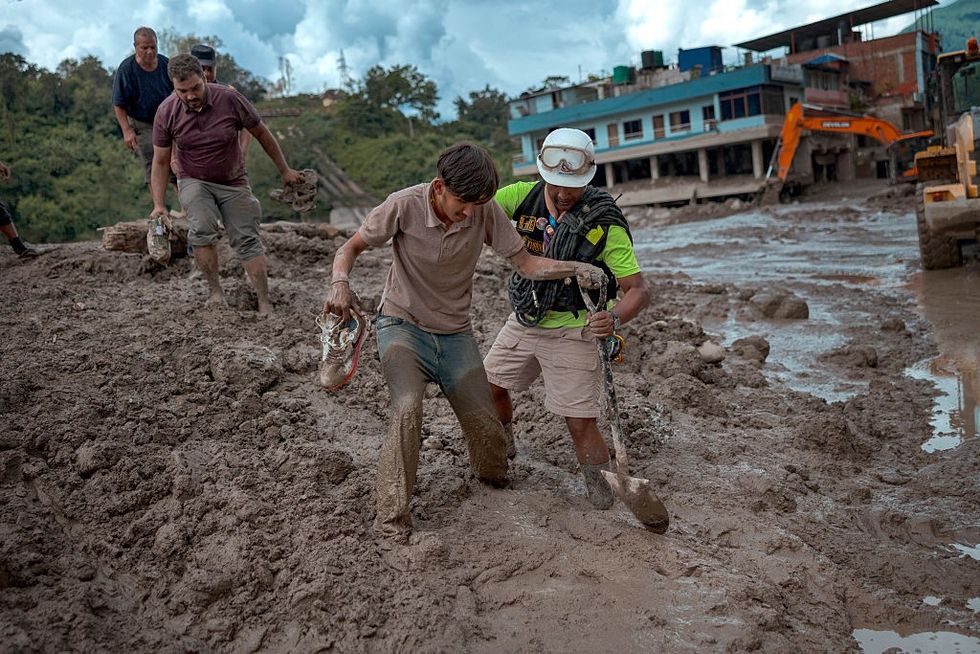 A rescuer assists a resident through heavy mud following flash floods on August 27, 2026 in Trishuli, Nepal. A sudden flood swept through the Bhote Koshi River basin in northern Rasuwa on August 26, damaging settlements, roads and energy infrastructure as rescue teams searched for residents and foreign travellers reported out of contact. Hundreds were reported missing, as the death toll started to climb.Getty Images
 Rescue personnel provide medical treatment to a child at an army rescue camp in Trishuli Batar, Nepal, on August 27, 2026. A sudden flood swept through the Bhote Koshi River basin in northern Rasuwa on August 26, damaging settlements, roads and energy infrastructure, as rescue teams searched for residents and foreign travellers reported out of contact. Hundreds were reported missing as the death toll began to climb. Getty Ima
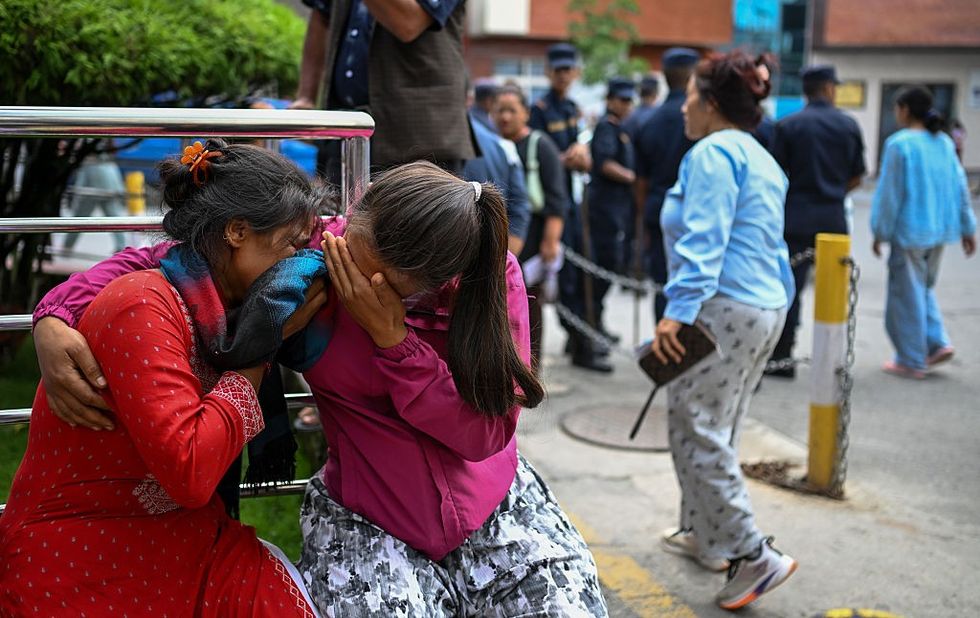 Family members of missing flood victims react at the emergency ward of the Maharajgunj Medical Campus, part of the Tribhuvan University Teaching Hospital, on August 28, 2026 in Kathmandu, Nepal. Authorities said the flash floods were triggered after a mass of ice, mud and rock collapsed into a Himalayan river near the Nepal-China border, leaving hundreds dead or missing and causing widespread damage in affected districts. Authorities continued the gruelling search for victims, many buried under metres of mud, as both China and Nepal issued fresh flooding alerts.Getty Images