
Highlights:
- India and the US are negotiating to finalise the first phase of their bilateral trade agreement.
- Piyush Goyal says Indian exporters could receive lower tariffs than competing countries in the US market.
- The understanding was reached when Narendra Modi and Donald Trump announced a broad trade framework.
- Both countries are targeting the conclusion of the first tranche by the end of the current financial year.
- A US Supreme Court ruling striking down reciprocal tariffs has added uncertainty to negotiations.
- Washington is exploring alternative legal provisions under the Trade Act to establish a revised tariff structure.
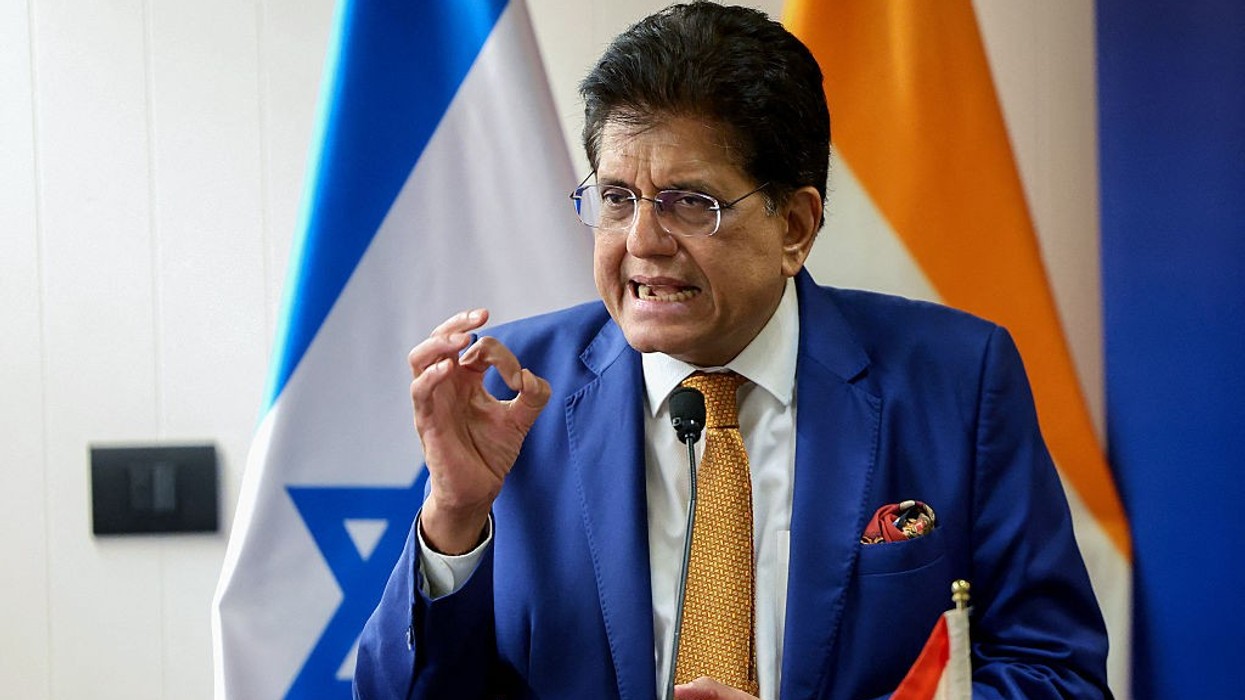
India and the United States are nearing finalization of the first phase of their bilateral trade agreement, with New Delhi expecting preferential access for Indian exporters in the American market, Indian commerce and industry minister Piyush Goyal said.
Speaking to reporters in Cairo during a two-day visit to Egypt, Goyal said India had secured an understanding with Washington that would give Indian goods a tariff advantage over competing countries. He said Indian prime minister Narendra Modi and US president Donald Trump agreed to the arrangement when the two countries announced a broad framework for their bilateral trade agreement (BTA).
Negotiations are currently underway to finalise the first phase of the pact. Goyal reiterated that Indian exporters would benefit from lower import duties compared with competitors, although the extent of the advantage will depend on the final terms agreed upon by both governments.
The minister's comments come as businesses on both sides await clarity on the trade arrangements, which could influence the competitiveness of Indian goods in the US market.
Trade negotiations face tariff uncertainty
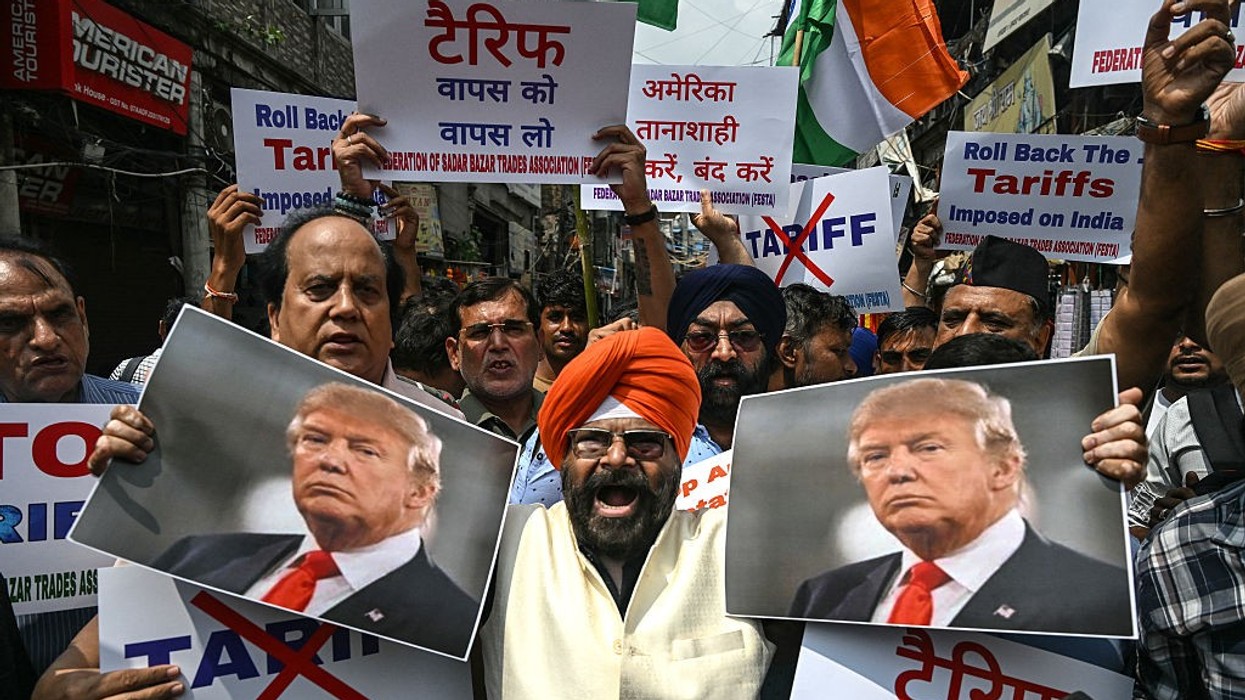
India and the US agreed on the framework for the first phase of their BTA in February. The agreement was expected to be concluded earlier, but progress has been delayed amid changes in the Trump administration's tariff policies.
An Indian government official recently indicated that the US had assured New Delhi of a comparative tariff advantage for Indian exports under the proposed arrangement. Both countries are now working towards concluding the first tranche by the end of the current financial year.
The negotiations cover both the initial phase and the broader bilateral trade agreement. However, the final level of tariff concessions for Indian exporters remains subject to the framework eventually agreed upon by the two governments.
For US businesses, the proposed arrangement could shape the terms under which Indian goods enter the American market. A preferential tariff structure could also affect the relative competitiveness of Indian exporters compared with suppliers from other countries.
However, the precise impact will depend on the products covered, the final duty rates and the terms of the agreement. These details have not yet been finalized.
Supreme Court ruling adds another layer of complexity
The negotiations have also been complicated by uncertainty surrounding the US tariff framework.
A US Supreme Court ruling struck down President Trump's reciprocal tariffs, which had served as the foundation for the earlier trade discussions. Following the decision, Washington has been exploring alternative legal provisions under the Trade Act to establish a revised tariff structure.
The changes have introduced further uncertainty into the negotiations, requiring both governments to consider how the evolving US tariff regime could affect the proposed concessions.
The development is particularly significant because the tariff advantage discussed by the two countries will depend on the final structure adopted by Washington and the terms negotiated with New Delhi.
Despite these challenges, both sides are continuing discussions on the first phase while also working towards a broader trade arrangement.
India looks to expand economic ties
Goyal's comments came during his two-day visit to Egypt, where he is exploring opportunities to expand trade and investment ties between the two countries.
His remarks underline India's effort to secure more favourable terms for its exporters in the US, one of its important trading partners. The proposed trade pact is expected to establish a framework for improving market access and addressing trade-related concerns between the two economies.
While the first phase is being prioritized, negotiations on the wider BTA are continuing. The final agreement will determine the extent of tariff concessions and the benefits available to businesses.
For now, the prospect of preferential access offers a potential boost for Indian exporters, but the details remain dependent on the outcome of ongoing negotiations and Washington's revised tariff policies.







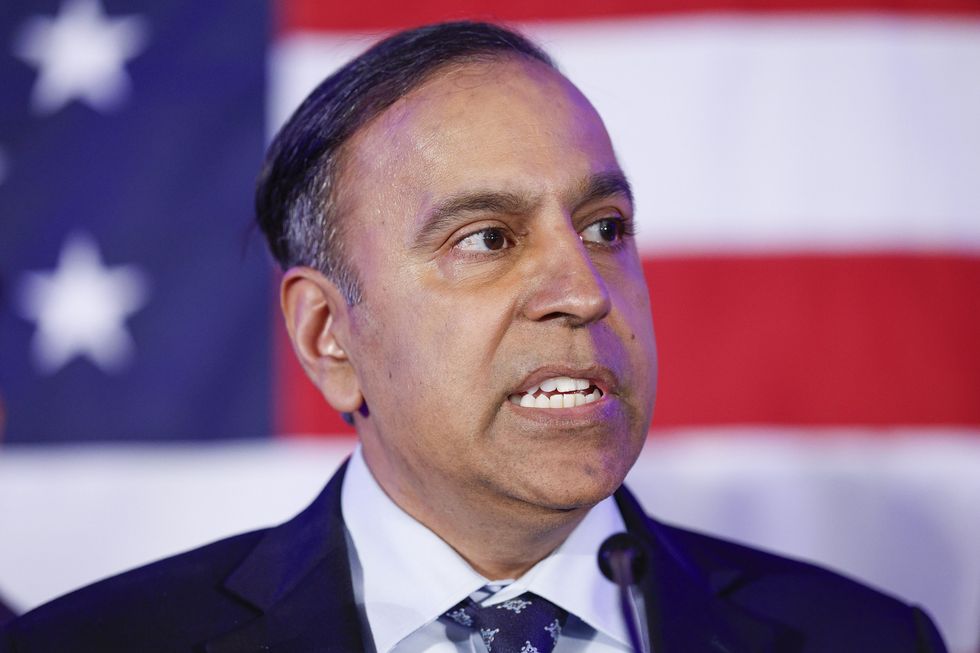 Raja Krishnamoorthi Getty Images
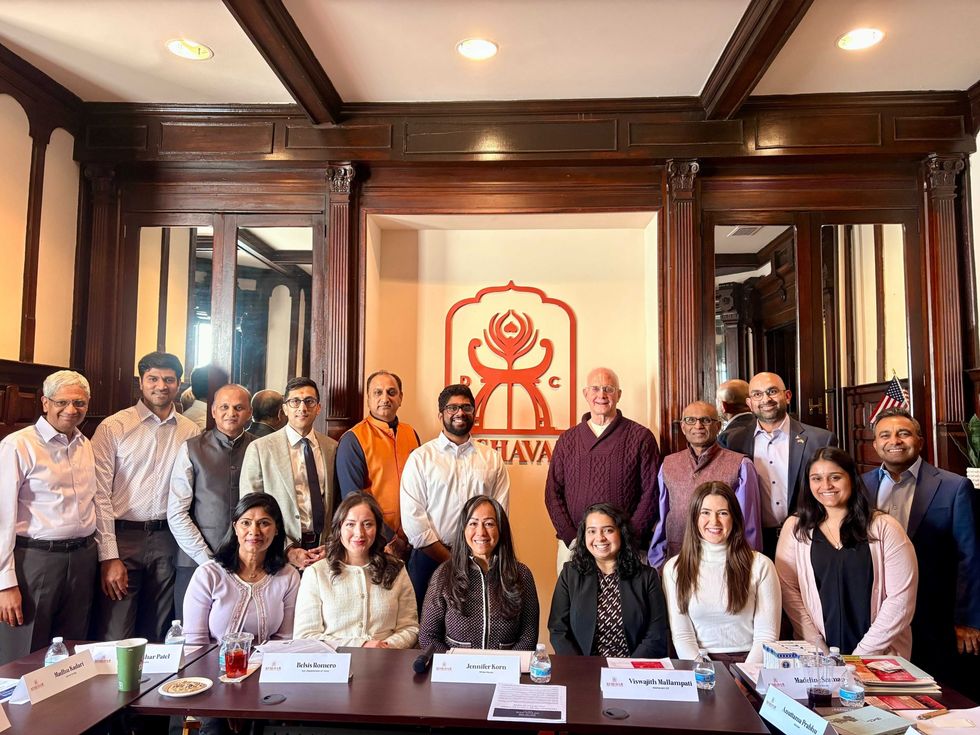 White House officials visit Keshavam, a Hindu temple in Washington, on Wednesday (18) X/ @HinduAmerican
 Sri Venkateswara Swami (Balaji) Hindu temple in Aurora, IllinoisWikimedia Commons