
The police in eastern Indian state of Bihar on Thursday (29) detained a Chinese woman who was suspected of spying on Tibetan spiritual leader Dalai Lama.
The incident took place after a security alert was issued in the state's Bodh Gaya village -- a key Buddhist pilgrimage site -- earlier in the morning amid a visit by the Dalai Lama, 87.
The police were reportedly looking for the Chinese woman, reports said.
India Today reported that the woman, identified as Song Xiaolan, was picked by the cops outside Kalchakra Ground area where the spiritual leader offers discourses.
Sources added that the woman is a divorcee and has two children. She came to India three years ago before returning to China. Later, she came to India again, went to Nepal for a few days before coming to Bodh Gaya.
The Bihar Police also released a sketch of the woman after the security alert was issued by India's ministry of external affairs over an alleged threat to the Dalai Lama.
The police had also shared the woman's passport and visa details with the media.




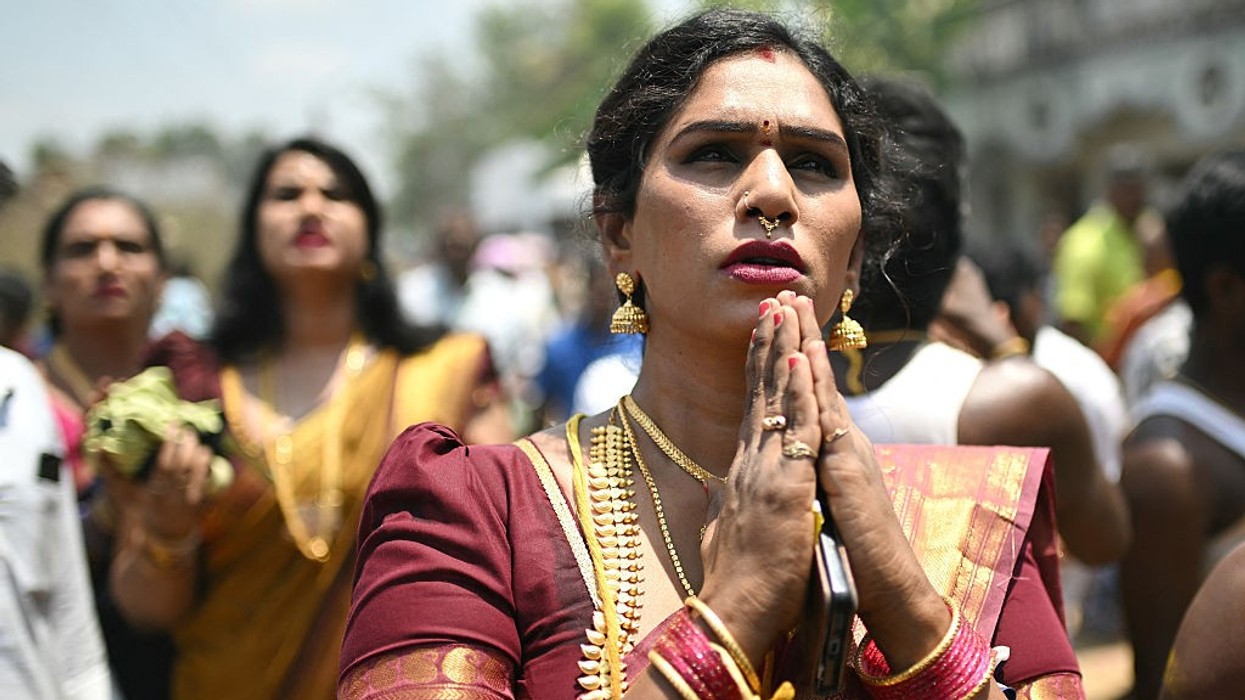








This photograph taken on April 28, 2026 shows a boy getting "thali", a sacred thread tied to his neck symbolising marriage to Hindu warrior god Aravan during the annual Koovagam transgender festival at the Koothandavar temple in Tamil Nadu's Kallakurichi district. For a few fleeting days each year, at the heart of the Koothandavar Temple where ostracised transgender community members from across India come to honour the Hindu deity Aravan, a tradition rooted in millennia-old Hindu texts -- and to enjoy a brief oasis of freedom.Getty Images
This photograph taken on April 29, 2026 shows a member of the transgender community mourning as a priest cuts the "thali", a sacred thread symbolising end of her marriage to Hindu warrior god Aravan during the annual Koovagam transgender festival at the Koothandavar temple in Tamil Nadu's Kallakurichi district. For a few fleeting days each year, at the heart of the Koothandavar Temple where ostracised transgender community members from across India come to honour the Hindu deity Aravan, a tradition rooted in millennia-old Hindu texts -- and to enjoy a brief oasis of freedom. Getty Images
