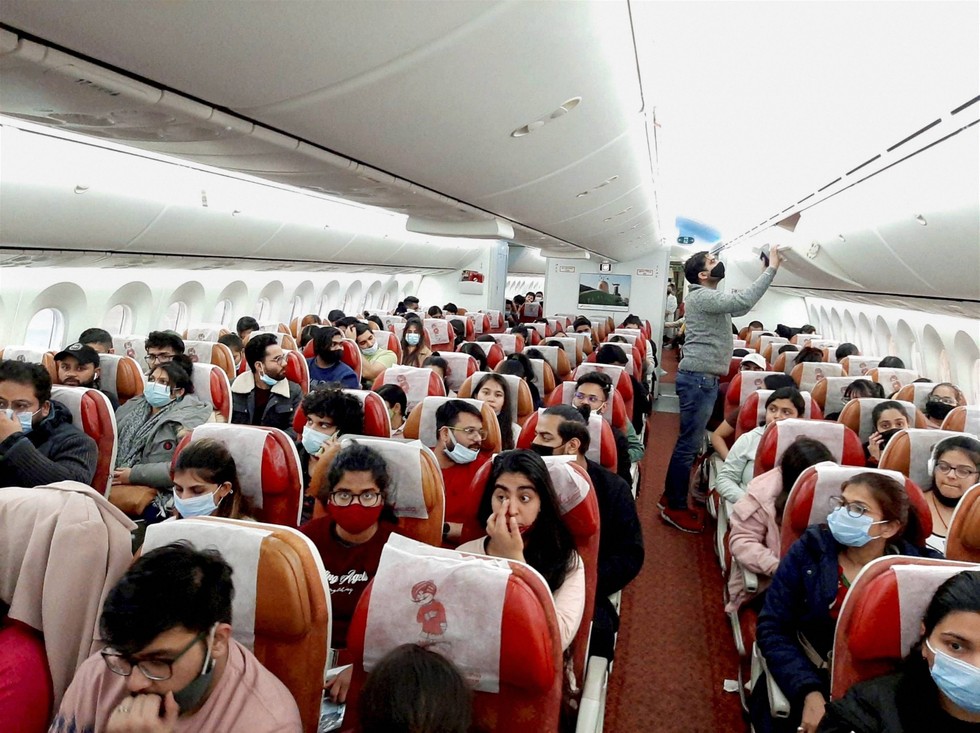
AN aircraft of India’s SpiceJet airline, which took off from Delhi for Dubai in the United Arab Emirates (UAE) on Tuesday (5), landed in Karachi in Pakistan after developing a technical snag.
The SpiceJet SG-11 flight had to make the unscheduled landing and all passengers were reported to be safe.
Karachi was trending on social media after the Indian aircraft’s landing on Pakistani soil. According to one Twitter post, a replacement plane was being sent to Karachi from Delhi to take the stranded passengers to Dubai.
The latest incident happened just days after another flight of the same airline, which was flying from Delhi to Jabalpur in the central Indian state of Madhya Pradesh, had to return back minutes after take-off after smoke was noticed in its cabin.
“On July 5, 2022, SpiceJet B737 aircraft operating flight SG-11 (Delhi - Dubai) was diverted to Karachi due to an indicator light malfunctioning. The aircraft landed safely at Karachi and passengers were safely disembarked," a statement from a SpiceJet spokesperson read.
“No emergency was declared and the aircraft made a normal landing. There was no earlier report of any malfunction with the aircraft. Passengers have been served refreshments. A replacement aircraft is being sent to Karachi that will take the passengers to Dubai,” it added.
In the case of the Delhi-Jabalpur flight, however, the plane made an emergency landing after the smoke triggered panic. The plane was flying at a height of 5,000 feet at the time.
India’s civil aviation regulator Directorate General of Civil Aviation (DGCA) said the crew of the Delhi-Dubai flight saw an unusual reduction in fuel quantity from the left tank and decided to land it to safety, India’s ABP news website reported.
It cited the DGCA as saying that no visual leak was found from the left main tank in a post-flight inspection.
Here are some of tweets related to the incident: