Highlights:
- Kenneth Iwamasa sentenced to 41 months in prison
- Perry died from ketamine overdose in October 2023
- Iwamasa admitted injecting Perry with ketamine
- Judge cited addiction knowledge and evidence concealment
- Five defendants pleaded guilty in the case
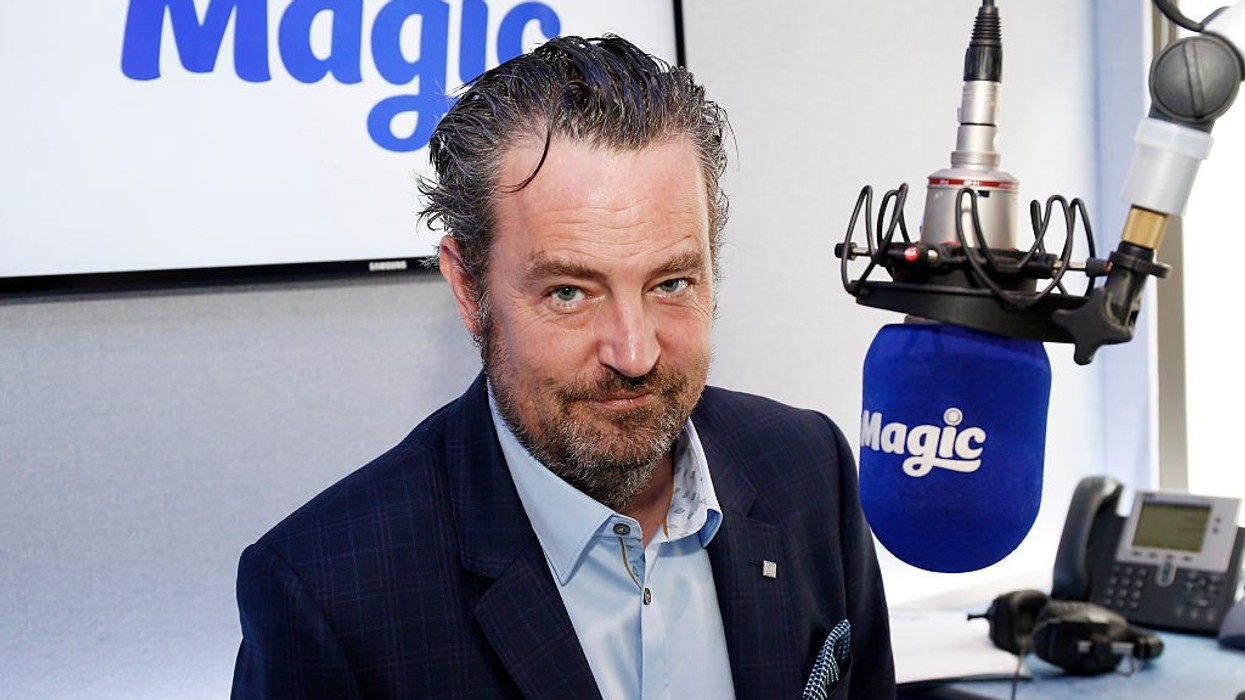
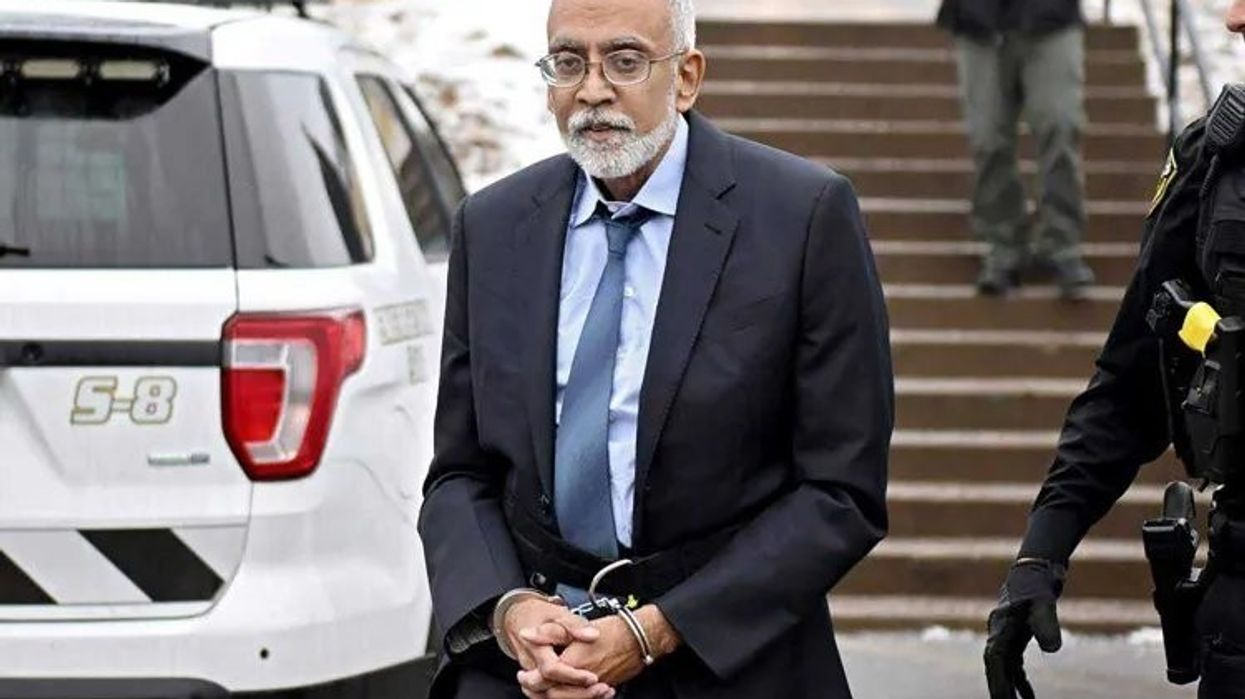
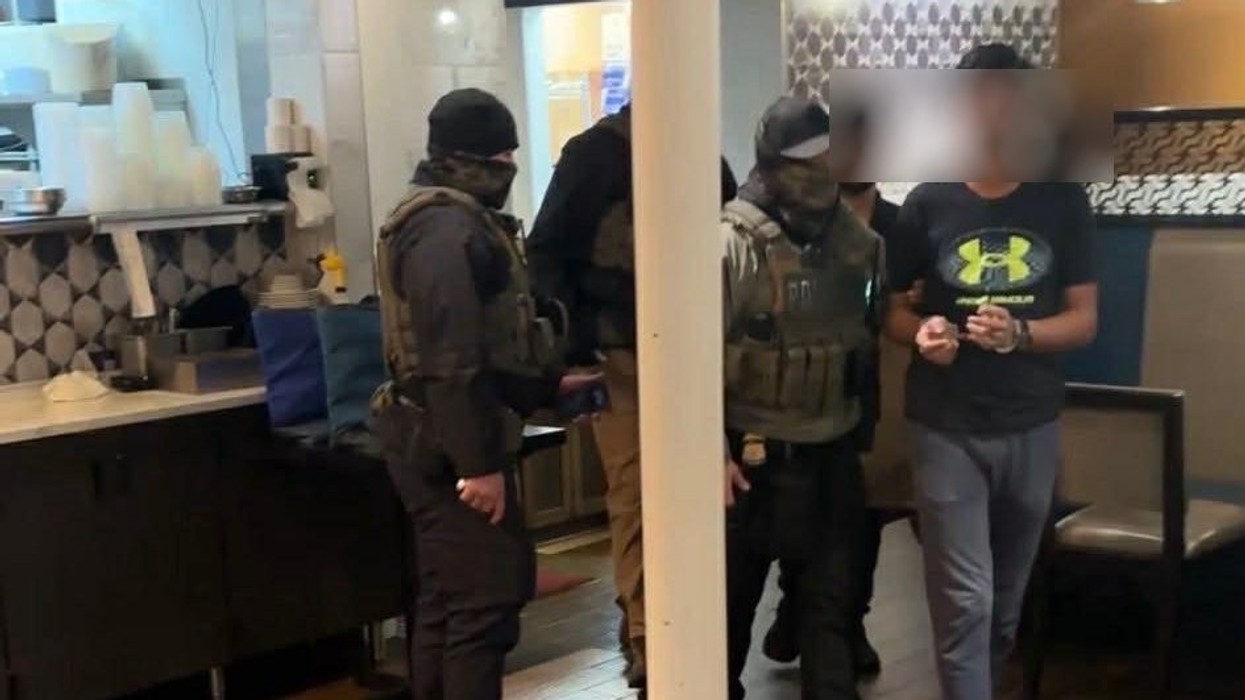
Kenneth Iwamasa, the live-in personal assistant to Friends star Matthew Perry, has been sentenced to 41 months in prison in connection with the actor’s ketamine overdose death.
The sentencing took place in Los Angeles, ending a major chapter in the legal case surrounding Perry’s death in October 2023. Perry was found dead in the hot tub at his Los Angeles home.
Iwamasa, 60, pleaded guilty in August 2024 to one count of conspiracy to distribute ketamine causing death. He faced a maximum sentence of 15 years in federal prison.
The court also sentenced him to two years of supervised release and ordered him to pay a $10,000 fine. He is expected to report to prison on July 17.
Federal prosecutors said Iwamasa worked with two doctors to provide Perry with more than $50,000 worth of ketamine in the weeks before the actor’s death. Prosecutors also said Iwamasa had no medical training.
Authorities said Iwamasa repeatedly injected Perry with ketamine, including several injections on the day the actor died.
Medical officials ruled that Perry died from the acute effects of the dissociative anesthetic ketamine. Drowning was listed as a contributing factor.
Judge Sherilyn Peace Garnett said Iwamasa knew about Perry’s history of addiction and understood the risks connected to the drug use.
"You were privy to his trouble with addiction," Judge Garnett told Iwamasa during sentencing. "You knew he should not have used ketamine at the amount he did."
The judge also accused Iwamasa of acting recklessly before Perry’s death and attempting to hide evidence afterward.
"Your conduct was reckless the day of his death and the days leading up to that you made concrete steps to get rid of the evidence," she said.
Judge Garnett added that Iwamasa repeatedly lied to police during the investigation into Perry’s death.
In court, Iwamasa turned to face Perry’s family and apologized for his actions.
"I'm so sorry to all of you. I'm just so sorry to have done illegal acts that I will forever regret. I will take it to my grave," he said.
"I hope I'll be a cautionary tale to someone who's in my position to make better choices."
He also told the family that he was "horribly, horribly sorry" and offered condolences.
Ahead of the sentencing, Perry’s mother and sisters submitted letters to the court explaining their views about Iwamasa’s role in the case.
Perry’s sister Caitlin Morrison said she had no sympathy for him.
"I have no sympathy for Kenny Iwamasa," she wrote.
She added that when Iwamasa left Perry alone on the night of his death, he was "either escaping from something he knew he had done or he was willfully abandoning a vulnerable person in a dangerous situation".
Another sister, Madeline Morrison, wrote that she believed Iwamasa was "more culpable" than ketamine dealer Jasveen Sangha.
Perry’s mother, Suzanne Morrison, said Iwamasa’s "most important job" was to protect her son and support his efforts to remain drug free.
She said Iwamasa knew he could ask for help from people close to Perry if he felt pressured or unable to manage the situation.
Instead, she wrote, he helped facilitate Perry’s illegal drug use and found different sources for ketamine.
"We trusted a man without a conscience, and my son paid the price," Suzanne Morrison wrote.
Outside the courtroom, Iwamasa again expressed regret over the case.
"I'm horribly sorry and I wish I could turn back time," he said.
His attorney, Alan Eisner, argued that Perry himself had asked Iwamasa to inject him with ketamine. Eisner said there was an unequal power dynamic between the actor and his assistant.
According to the attorney, Perry’s requests placed Iwamasa in a difficult position.
Perry had asked Iwamasa to inject him and his assistant was "incapable" of saying no, Eisner said. He added that Iwamasa should still have resisted the requests.
"This is not an incident that falls solely on the shoulders of Mr Iwamasa," the attorney said.
Federal authorities have said the defendants in the case took advantage of Perry’s addiction for financial gain and supplied him with ketamine that ultimately led to his death.
Iwamasa was the first of five defendants to agree to a plea deal and the last to be sentenced.
Earlier this year, Jasveen Sangha, known by prosecutors as the "Ketamine Queen", was sentenced to 15 years in prison for selling drugs connected to Perry’s death.
Dr Salvador Plasencia, who supplied Perry with ketamine in the weeks before his death, was sentenced in December to 30 months in prison.
Another doctor, Dr Mark Chavez, received eight months of home detention and three years of supervised release for selling ketamine to Perry.
Erik Fleming, who prosecutors said obtained the drug from Sangha, was sentenced earlier this month to two years in prison, three years of supervised release and a $200 penalty.
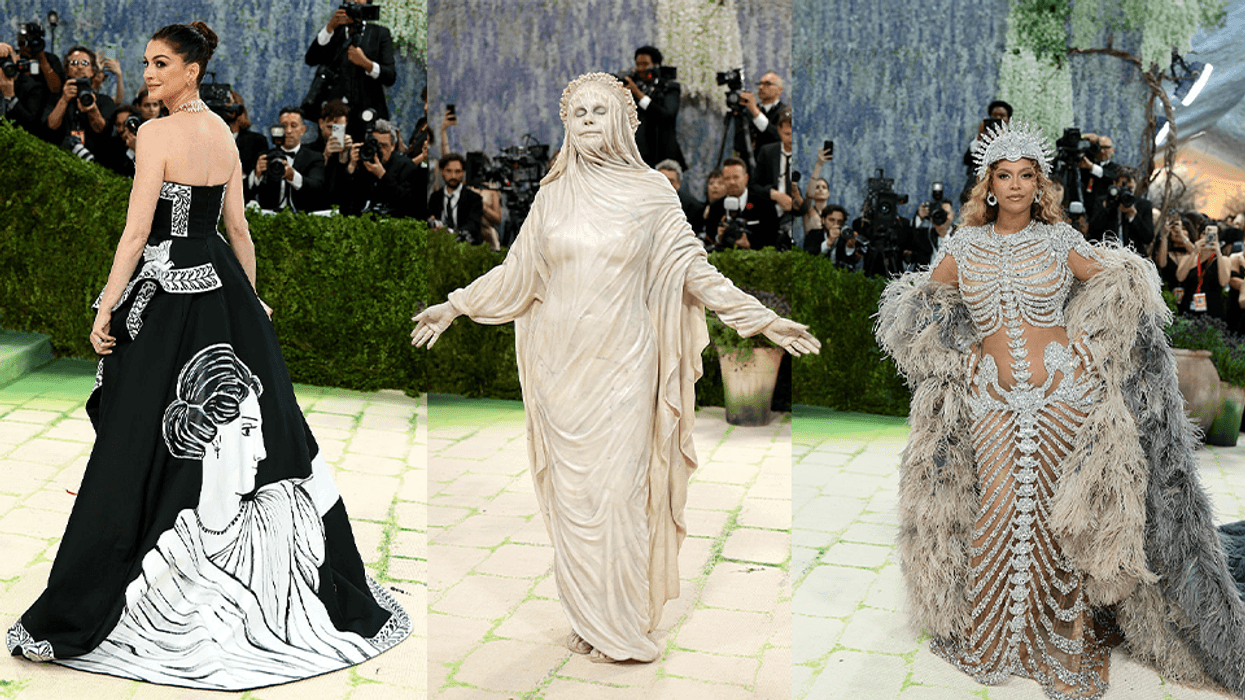
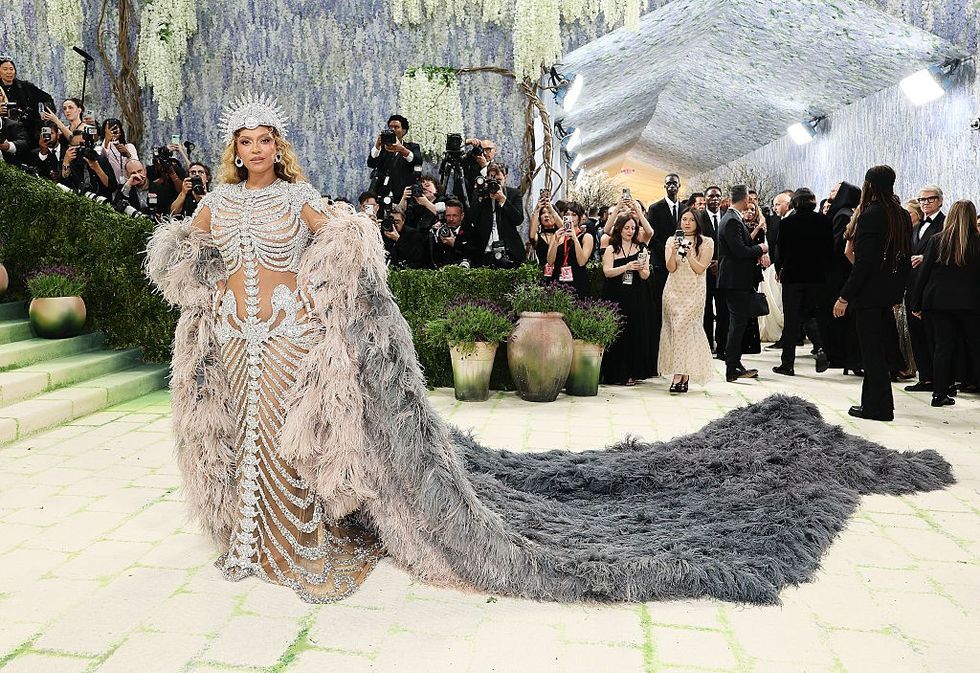 Beyoncé attends the 2026 Met Gala celebrating "Costume Art" at the Metropolitan Museum of Art on May 04, 2026 in New York City. Getty Images
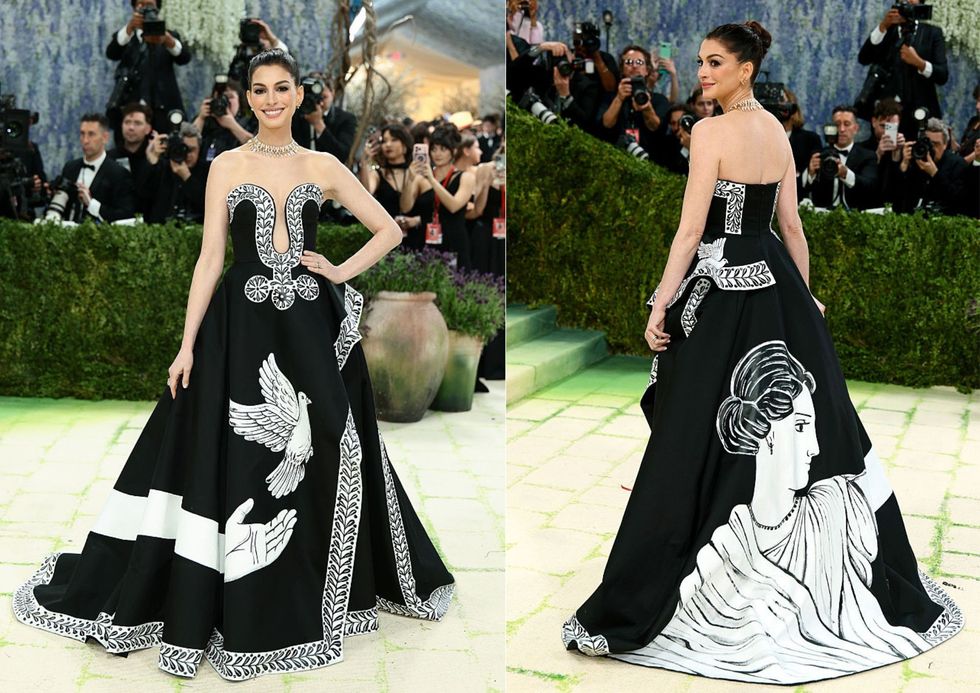 Anne Hathaway attends the 2026 Met Gala celebrating "Costume Art" at the Metropolitan Museum of Art on May 04, 2026 in New York City.Getty Images
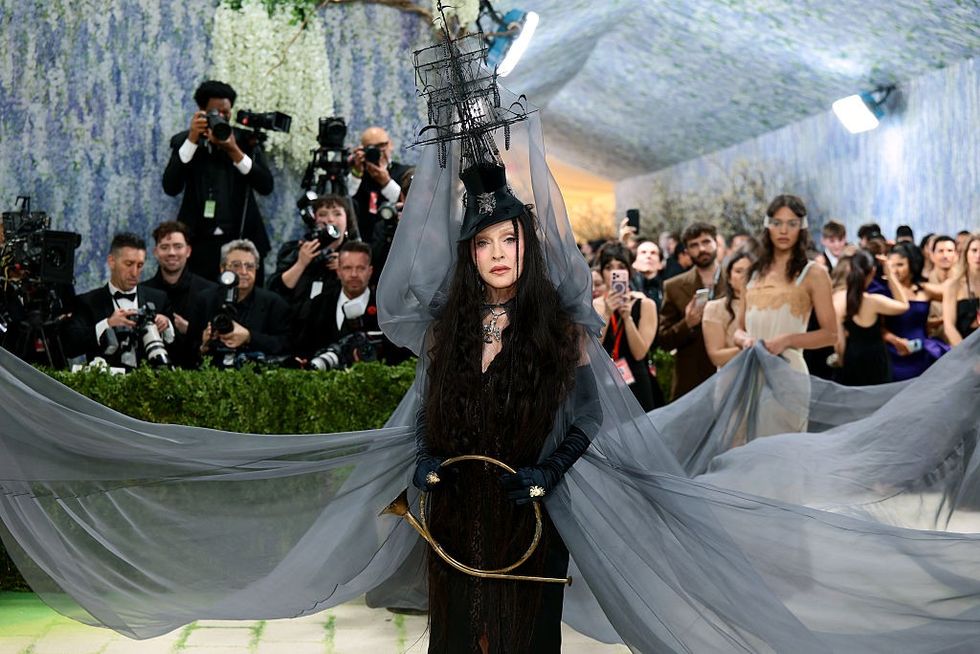 Madonna attends the 2026 Met Gala celebrating "Costume Art" at the Metropolitan Museum of Art on May 04, 2026 in New York City.Getty Images
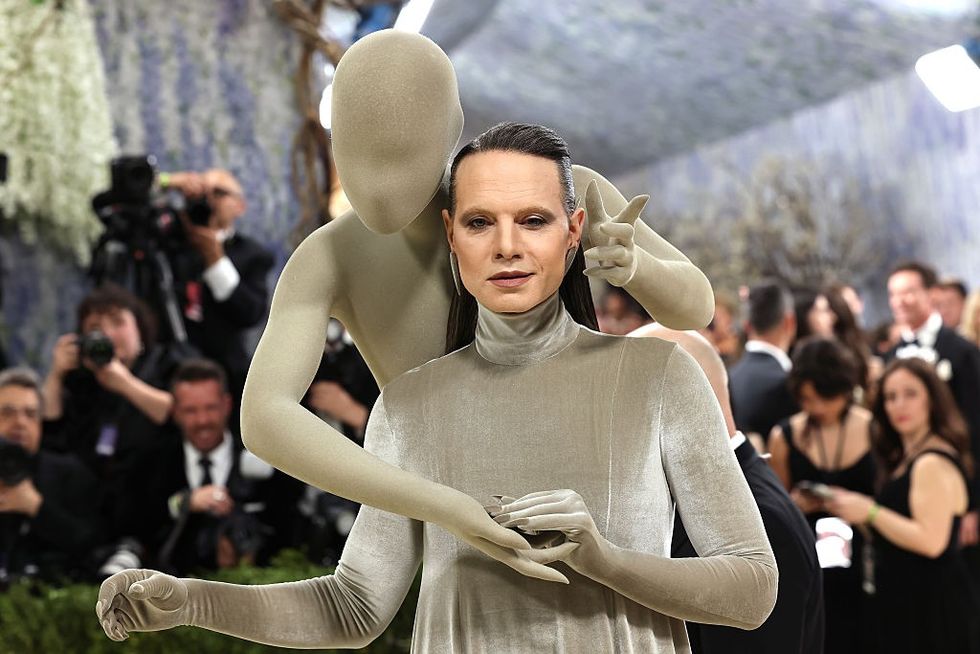 Jordan Roth attends the 2026 Met Gala celebrating "Costume Art" at the Metropolitan Museum of Art on May 04, 2026 in New York City. Getty Images
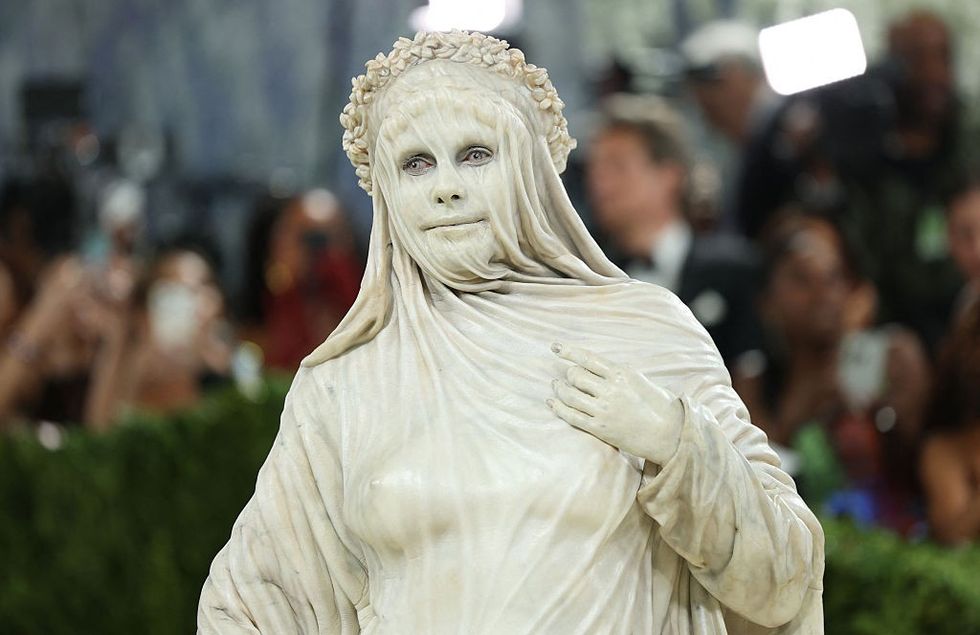 German model Heidi Klum arrives for the 2026 Met Gala celebrating "Costume Art" at the Metropolitan Museum of Art, in New York, on May 4, 2026.Getty Images
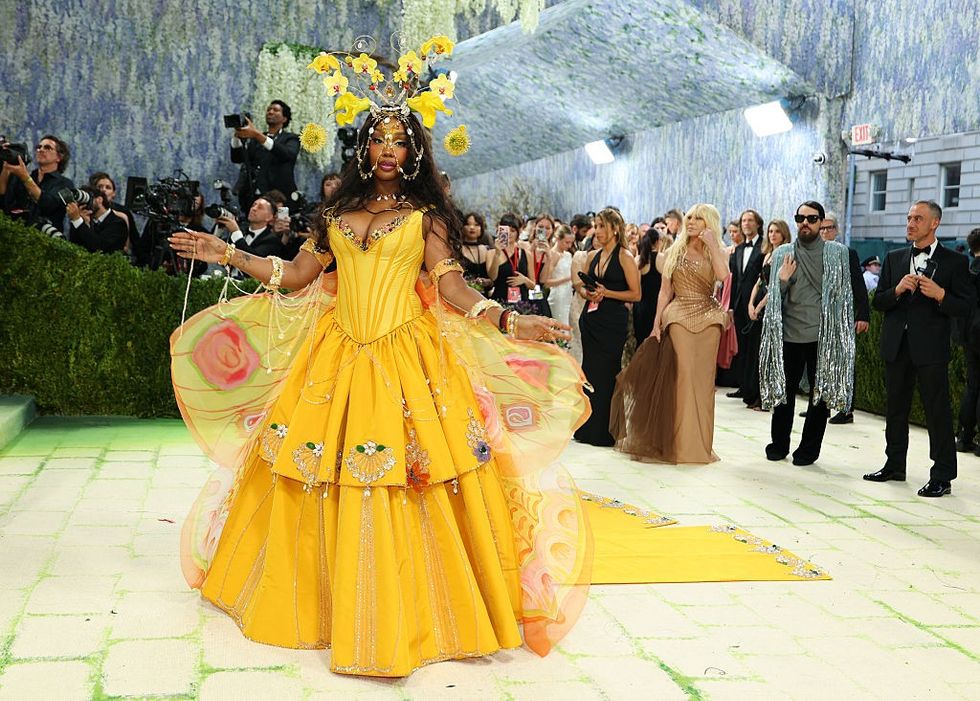 US singer Sza arrives for the 2026 Met Gala celebrating "Costume Art" at the Metropolitan Museum of Art, in New York, on May 4, 2026. Getty Images
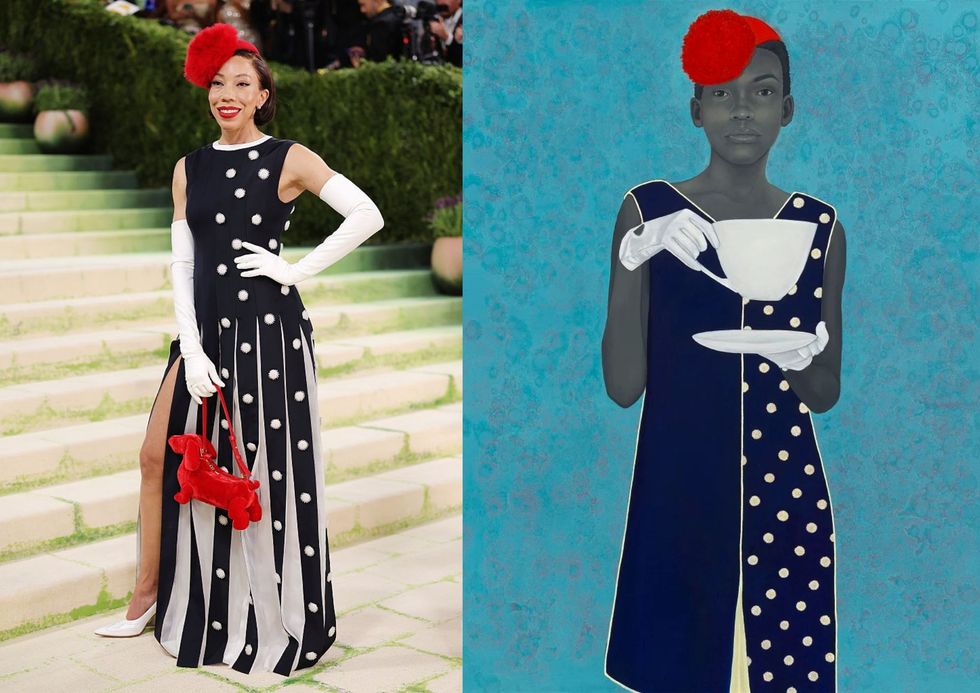 Amy Sherald attends the 2026 Met Gala celebrating "Costume Art" at the Metropolitan Museum of Art on May 04, 2026 in New York CityGetty Images & National Portrait Gallery
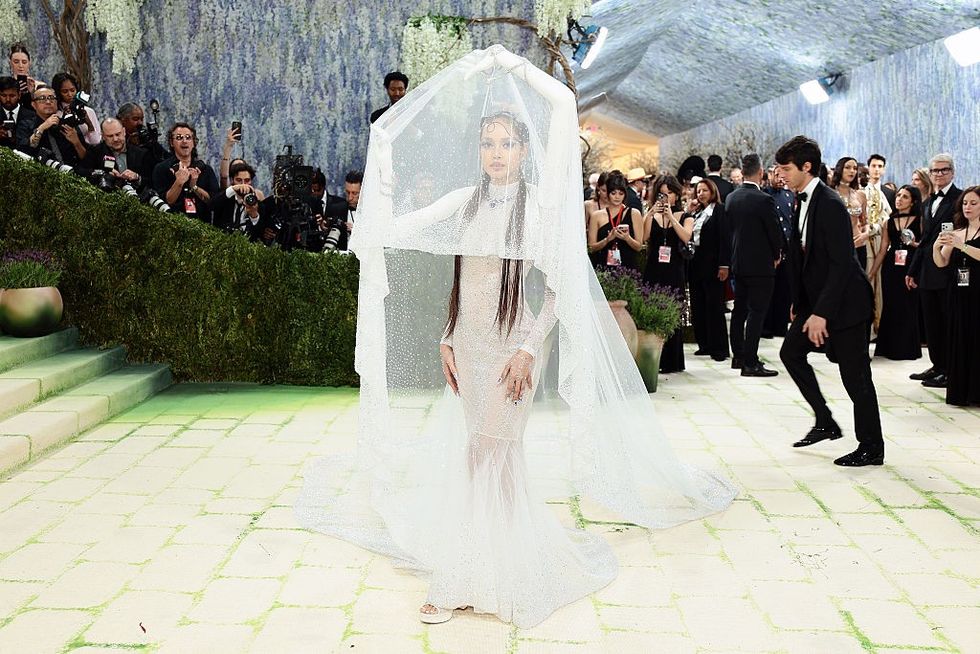 Lisa attends the 2026 Met Gala celebrating "Costume Art" at the Metropolitan Museum of Art on May 04, 2026 in New York City. Getty Images
 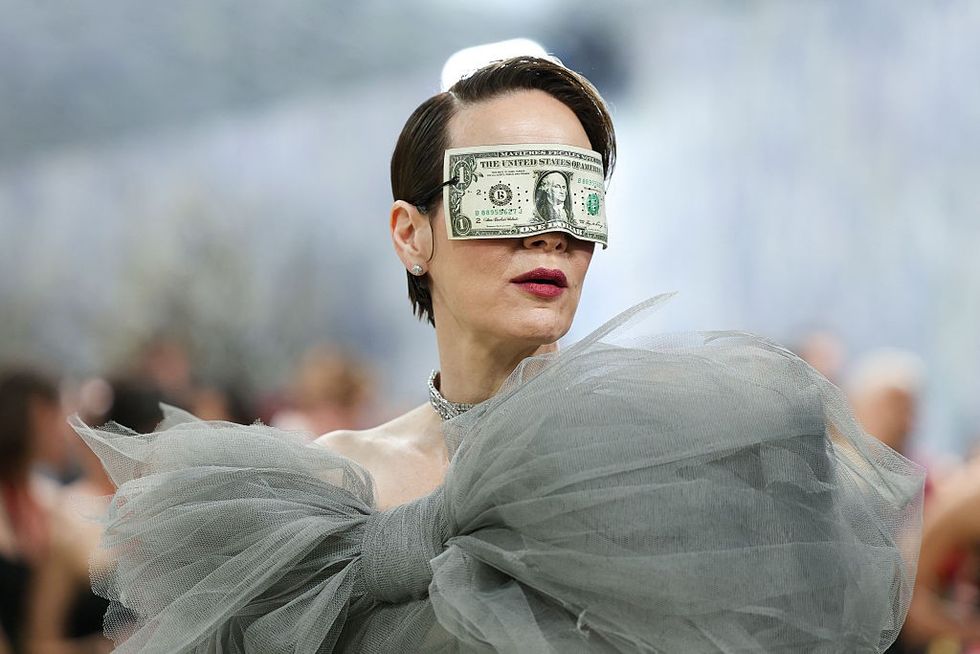 US actress Sarah Paulson arrives for the 2026 Met Gala celebrating "Costume Art" at the Metropolitan Museum of Art, in New York, on May 4, 2026Getty Images
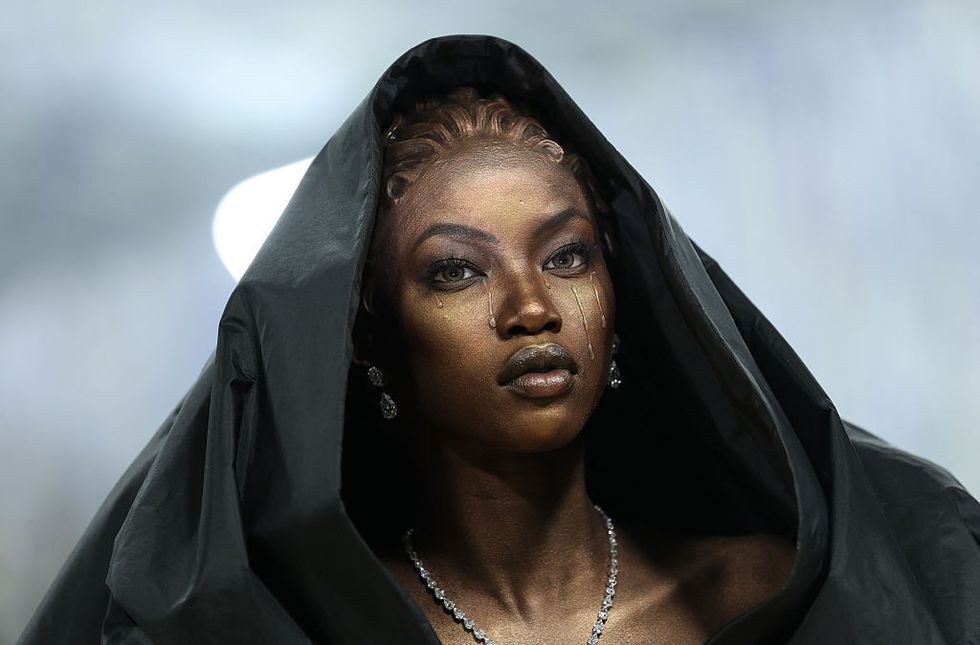 Sudanese-US model Anok Yai arrives for the 2026 Met Gala celebrating "Costume Art" at the Metropolitan Museum of Art, in New York, on May 4, 2026.Getty Images
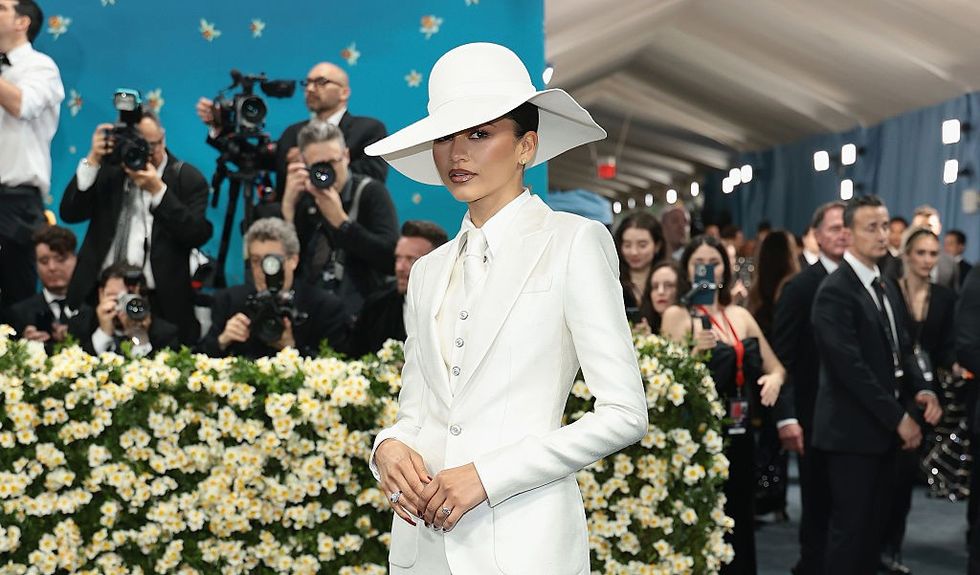 Zendaya attends the 2025 Met Gala Celebrating "Superfine: Tailoring Black Style" at Metropolitan Museum of Art on May 05, 2025 in New York City.Getty Images
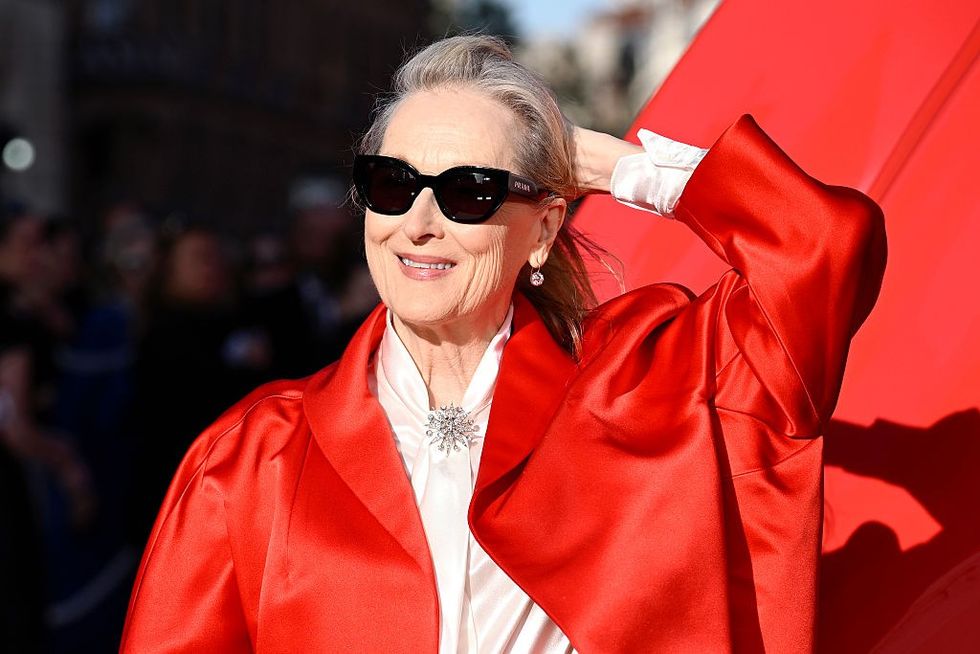 Meryl Streep attends "The Devil Wears Prada 2" European Premiere inside Leicester Square on April 22, 2026 in London, England.Getty Images
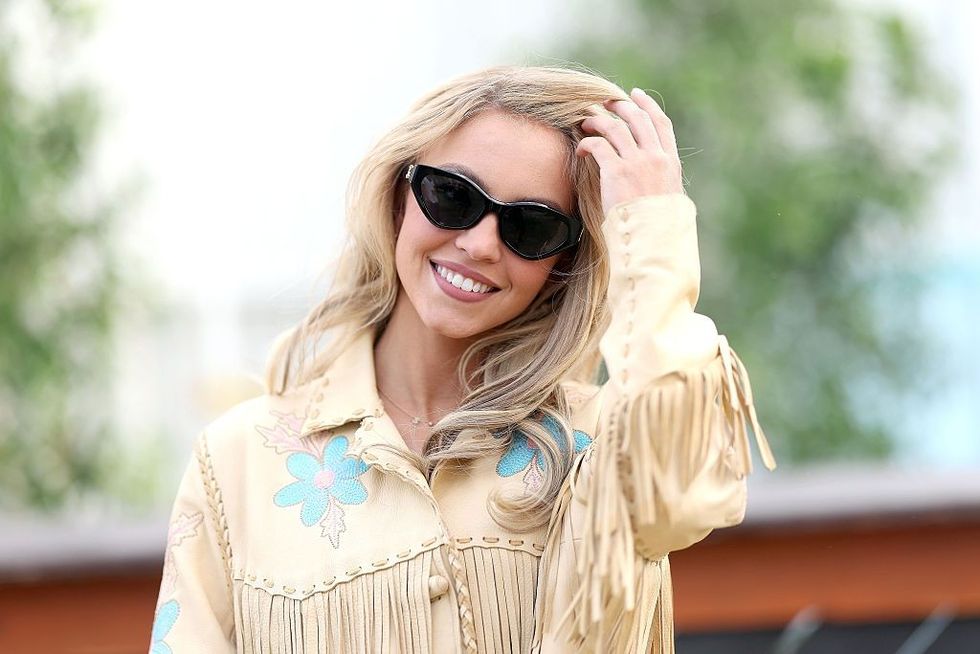 Sydney Sweeney poses for a portrait backstage during the 2026 Stagecoach Festival at Empire Polo Club on April 25, 2026 in Indio, California.Getty Images