
- Iran says recent US strikes increased distrust toward Washington
- Talks continue over a temporary agreement to reduce tensions
- Iran and the US disagree over military actions and security concerns
- Iranian hardliners oppose any deal seen as surrender
- Experts say a stable long-term agreement still looks unlikely
Iranian officials say they remain deeply suspicious of the United States even as talks continue to end the nearly three-month-long conflict between the two countries.
Senior Iranian lawmaker Abbas Moghtadaei told state television, “The fundamental principle is distrust towards America.” His comments came after an Iranian delegation returned from Qatar, where discussions were held about a possible agreement with the US.
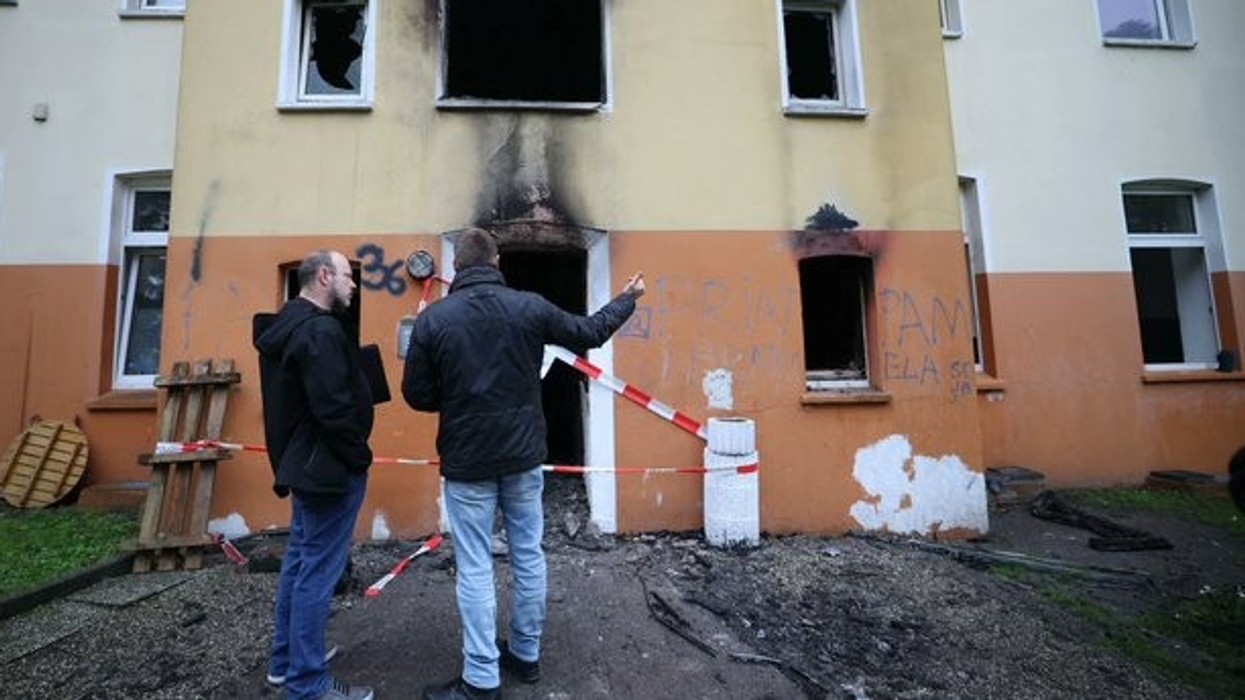
Earlier on Tuesday, Iran’s Ministry of Foreign Affairs accused Washington of violating the fragile ceasefire reached on April 8. The ministry said US strikes on Iran’s southern Hormozgan province showed the “deep suspicion” Iran has toward the United States.
Iran’s Islamic Revolutionary Guard Corps (IRGC) said Iranian forces responded by shooting down a US-made RQ-4 drone using a locally made defense system called Arash-e Kamangir. Iranian state television later showed footage of the wreckage.
The US military said it targeted missile launch sites and Iranian boats that were reportedly trying to place sea mines. US officials described the operation as a “defensive” move. Iranian military leaders said they have the right to retaliate.
On Tuesday afternoon (26), a tanker near Oman reported an external explosion and a fuel leak. Iranian officials did not publicly comment on the incident.
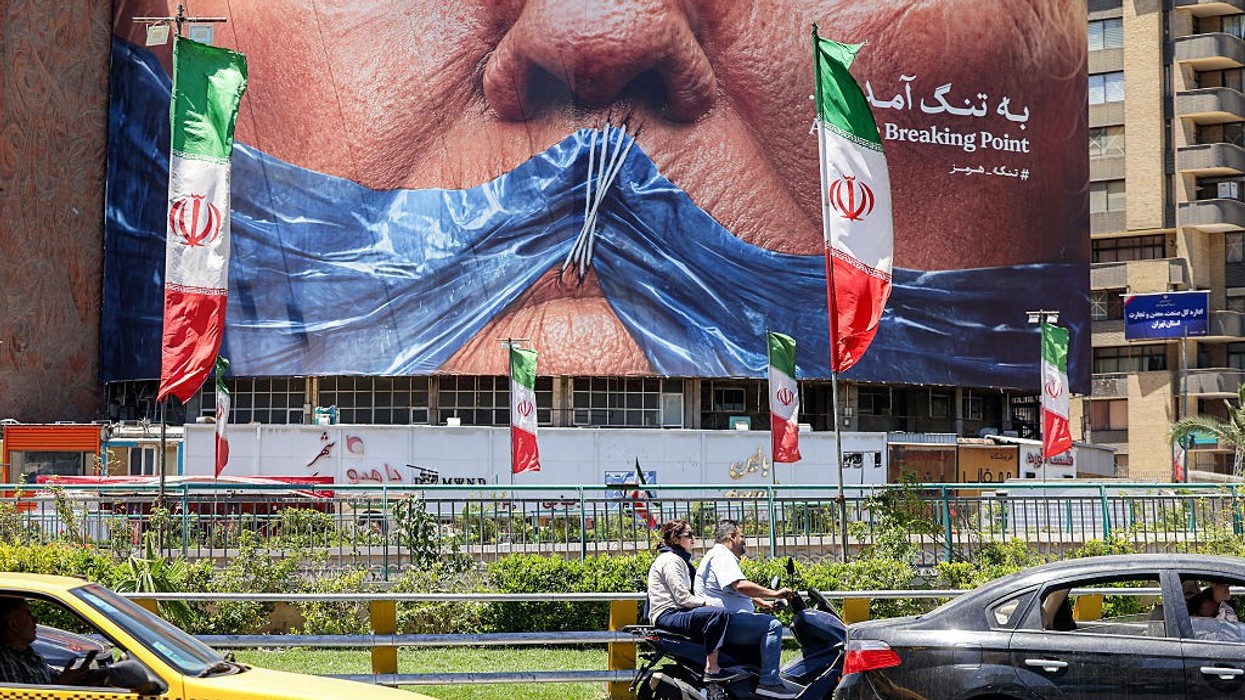
The latest tensions come as Iran and the US continue discussions on a Memorandum of Understanding that could help reduce military tensions and reopen transit through the Strait of Hormuz. Shipping activity in the area has slowed sharply since the US and Israel launched strikes on Iran on February 28.
The proposed agreement could also allow Iran to access some frozen overseas funds and create a path toward future negotiations over Iran’s nuclear program.
Nicole Grajewski, an assistant professor at Sciences Po’s Center for International Research, said many Iranian leaders worry that any agreement could simply give the US and Israel time to prepare for another attack.
“For the deal to be politically sellable internally, Tehran likely needs to frame it not as capitulation under military pressure but as a managed stabilisation that preserved core sovereign red lines,” she told Al Jazeera.
“That probably means maintaining some form of enrichment capability for now, avoiding immediate surrender of the stockpile, securing meaningful sanctions or asset relief, and preserving regional deterrence structures, at least formally outside the agreement.”
Iranian officials from across the political spectrum have insisted that the country will not accept any agreement that looks like surrender.
President Masoud Pezeshkian said Iran wants to assure the world that “we are not after nuclear weapons, we are not after insecurity in the region”.
However, IRGC aerospace commander Majid Mousavi wrote on X: “As our martyred imam said, negotiating with the enemy is pure loss.”
Mousavi also said he would follow the orders of Mojtaba Khamenei, the son of former Supreme Leader Ayatollah Ali Khamenei. In a message marking Eid al-Adha, Mojtaba Khamenei said “nations and territories of the region will no longer be the shield of American bases”.
Iranian military commander Ali Abdollahi also warned that Iran would continue showing its military strength.
“The Americans talk too much and keep changing their story in a moment. We’ve said many times that we will show on the battlefield what we are capable of,” he said on state television.
Mohammad Bagher Zolghadr, secretary of Iran’s Supreme National Security Council, also said, “there will be no retreat”.
Experts say many Iranian hardliners are especially worried about giving up leverage connected to sanctions, nuclear concessions, or control around the Strait of Hormuz.
Alex Vatanka of the Middle East Institute said Iranian leaders now focus less on whether to negotiate and more on “what exactly are we giving up?”
He said Iran will likely demand fast sanctions relief and enough military and political strength to avoid appearing defeated.
Vatanka added that the current discussions look “less like a historic peace settlement and more like a ceasefire-management mechanism designed to buy time”.
Iranian media commentators have also raised fears about possible assassination attempts against senior leaders if military operations restart.
Reports in US media say Ayatollah Ali Khamenei remains in a secure undisclosed location. Officials believe this has slowed negotiations.
Experts say the most likely short-term outcome is a temporary and unstable agreement rather than a lasting peace settlement.