
Highlights:
Indian prime minister Narendra Modi's planned visit to Canada in December could have implications beyond diplomatic relations, particularly for the more than 1.3 million people of Indian origin living in the country. From students and professionals to business owners and families divided between the two countries, the visit is expected to bring renewed attention to issues affecting the Indian diaspora.
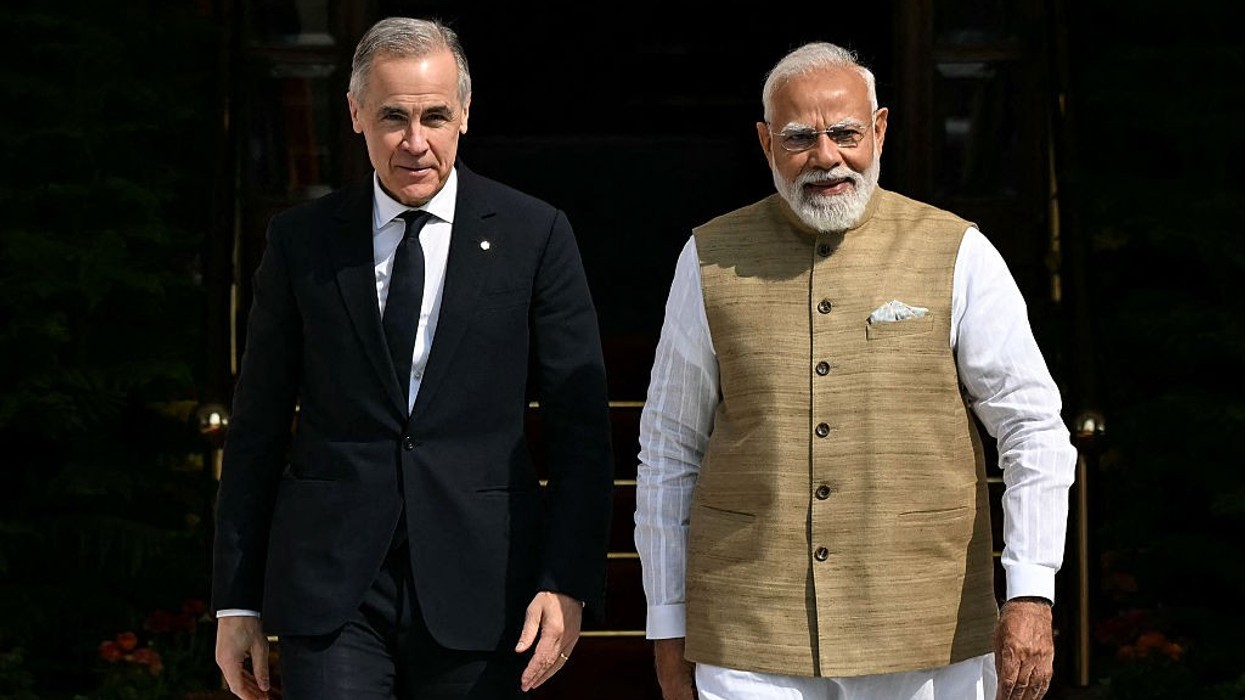
Modi is scheduled to visit Canada on December 11 and 12, with stops planned in Toronto and Ottawa. Canadian prime minister Mark Carney confirmed the dates following a conversation with Modi earlier this month.
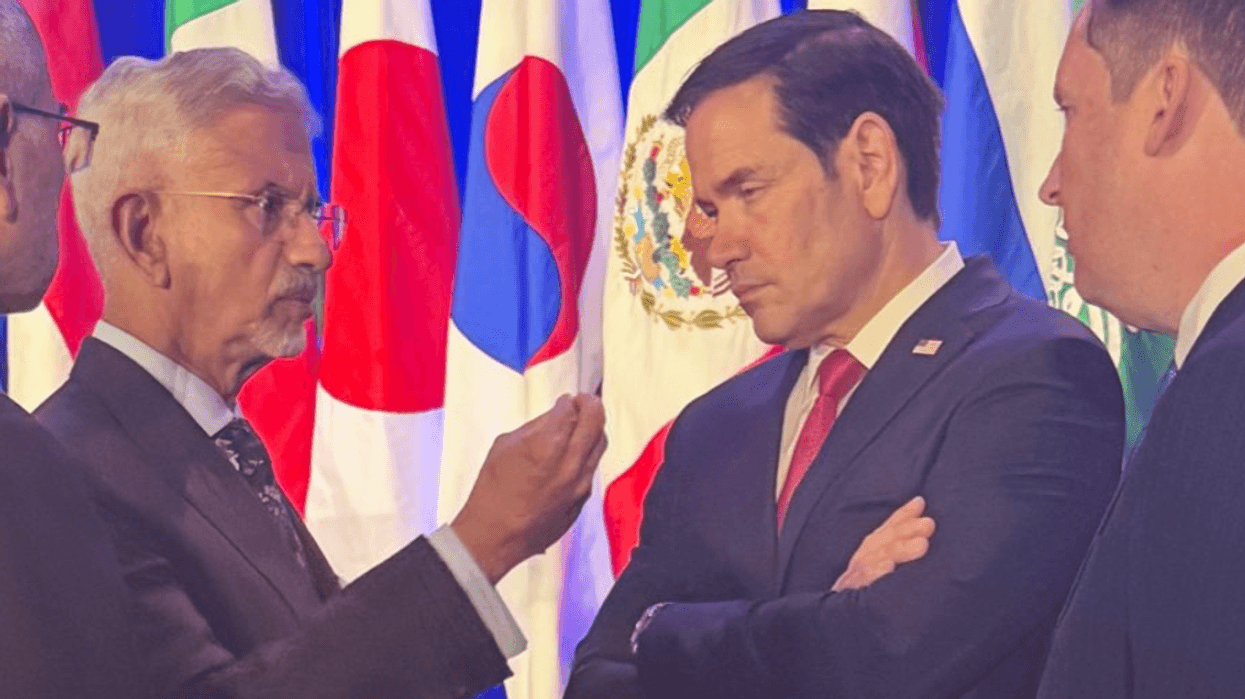
The visit comes as both governments work to rebuild relations following a diplomatic dispute that began in 2023. External Affairs Minister S Jaishankar met Canadian foreign minister Anita Anand in Atlanta on Friday (30), on the sidelines of the G20 Foreign Ministers' Meeting, to discuss the progress in bilateral cooperation.
Both leaders assessed the “steady growth” in India-Canada cooperation. According to an official statement, "the ministers agreed that Prime Minister Modi's visit to Canada in December will be another building block in the two countries' ambitious relationship."
For Indians living in Canada, the key question is whether the renewed diplomatic engagement will translate into practical improvements in their everyday lives.
1. Trade deal could create opportunities for Indian businesses
One of the major issues likely to feature during the visit is the proposed Comprehensive Economic Partnership Agreement (CEPA).
Canada and India are working towards concluding negotiations by the end of 2026, with the aim of doubling bilateral trade by 2030. The agreement is expected to cover trade in goods and services and could create opportunities for businesses operating between the two countries.
For Indian-origin entrepreneurs in Canada, particularly those involved in imports, exports, technology, manufacturing and professional services, improved market access could make cross-border business easier.
The agreement is not yet finalised, and its eventual benefits will depend on the terms negotiated by both governments.
2. More opportunities for Indian students
Education and research cooperation have already emerged as important areas of engagement.
During Carney's visit to India in March, the two countries announced a partnership between India's All India Council for Technical Education (AICTE) and Canada's Mitacs. The initiative will support 300 eligible Indian undergraduate students annually for three years, beginning in 2027, through fully funded 12-week research internships at Canadian universities.
Additionally, 13 partnerships between Canadian and Indian universities were announced, covering student exchanges, research collaboration, academic programmes and institutional cooperation.
Modi's visit could provide an opportunity to review progress on these initiatives and explore further academic partnerships.
3. Work permits and professional mobility remain important issues
For Indian professionals already in Canada and those hoping to move there, easier recognition of qualifications and employment opportunities remain significant concerns.
Both countries have been discussing ways to strengthen talent mobility and improve cooperation in skills recognition.
An initiative supported by the International Labour Organization is also examining ways to improve the recognition of qualifications and promote fair recruitment between India and Canada.
However, a new labour mobility agreement offering multi-year work visas or faster immigration processing has not been announced. Indian professionals and prospective migrants will be watching for concrete developments in this area.
4. Will travel and consular services become easier?
The diplomatic tensions of recent years created uncertainty for many families with connections in both countries, particularly those travelling frequently for work, education or family commitments.
The renewed engagement could help improve communication between the two governments on consular matters.
However, neither government has announced specific changes to visa processing, entry requirements or consular services as an outcome of Modi's upcoming visit. Any improvement in these areas would need to be confirmed through formal announcements.
5. Diplomatic tensions remain a sensitive issue
Despite the improvement in relations, the underlying tensions have not disappeared.
India-Canada relations deteriorated in 2023 after then prime minister Justin Trudeau alleged a potential Indian link to the killing of Sikh separatist Hardeep Singh Nijjar in Canada. India dismissed the accusation as "absurd".
The issue remains sensitive, particularly for sections of Canada's Sikh community. The December visit will therefore be closely watched by different sections of the Indian-origin population, including those concerned about security, community relations and the handling of the investigation.
The visit follows Canadian Prime Minister Carney's trip to India in March, which resulted in agreements covering energy, education, research and trade cooperation.
With more than 1.3 million Canadians reporting Indian origin in the 2021 Census, the relationship has considerable people-to-people significance.
For the diaspora, the most important outcomes will not simply be diplomatic statements but measurable progress on trade, education, professional mobility and consular cooperation.
Modi's December visit offers both governments an opportunity to move discussions forward. Whether that translates into tangible benefits for Indians in Canada will depend on the agreements reached and their implementation.