

INDIAN prime minister Narendra Modi on Wednesday (6) spoke on the ongoing controversy over the remarks made by a minister from the southern state of Tamil Nadu who said that "Sanatan Dharma" (eternal religion by which Hinduism is also meant) should be eradicated.
Speaking at a meeting of the council of ministers in New Delhi ahead of the G20 summit this weekend, Modi advised the members not to go into history and stick to the facts as per the Indian Constitution. He also asked them to speak about the contemporary situation related to the matter.
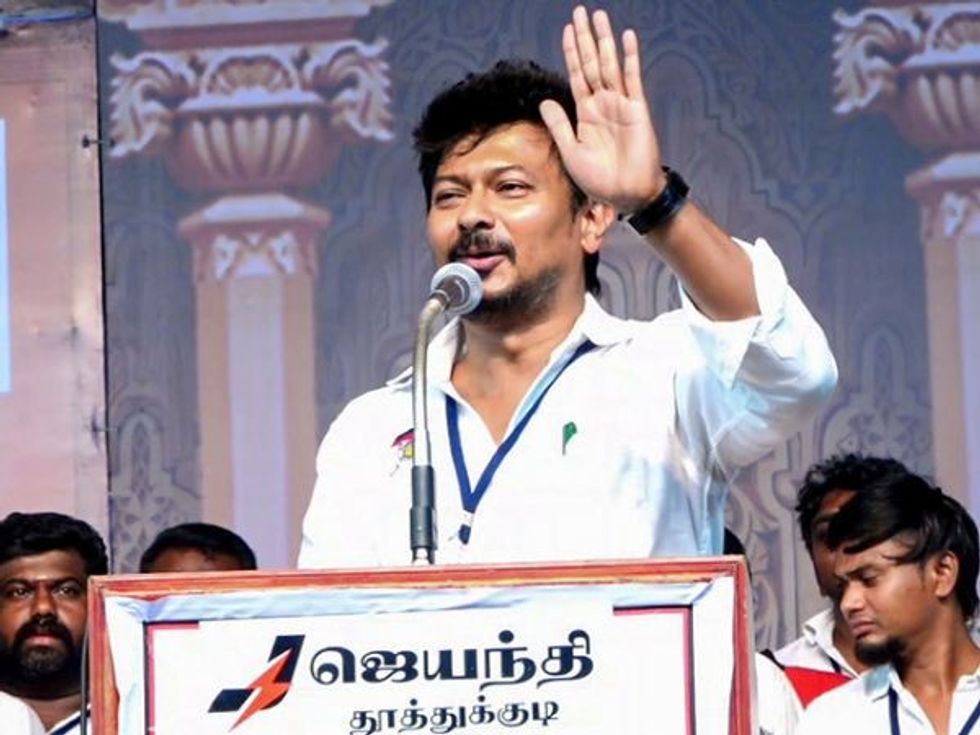 Tamil Nadu youth welfare and sports development minister Udhayanidhi Stalin. (ANI Photo)
Modi's reaction also came a day after Udhayanidhi Stalin, the youth welfare and sports development minister of the state and also the son of its chief minister MK Stalin, spoke more on the matter saying the Narendra Modi government's decision to not invite Indian president Droupadi Murmu for the inauguration of the country's new parliament building in May is an example of discrimination of the practitioners of "Sanatan Dharma".
Also on Tuesday, which was celebrated as Teacher's Day, Stalin made a veiled reference to the epic Mahabharata while posting a message on X, formerly Twitter.
He said in Tamil, “Teachers are incomparable people who always think only about the future generations. The bond between our Dravidian movement and teachers who preach virtue without asking for thumbs! It will continue forever. Happy Teacher’s Day."
It was considered an apparent dig at Dronacharya, the teacher of the Kaurava and Pandava warriors who asked Eklavya, a tribal boy who could challenge Arjuna in archery, to sacrifice his thumb as an honorarium.
he said in Tamil, in an apparent reference to Dronacharya, the teacher in Mahabharat who asked Eklavya, a tribal boy, for his thumb as an honorarium.
Last weekend, the 45-year-old compared "Sanatan Dharma" with diseases such as dengue and malaria and added that it must be eradicated. Stalin, who belongs to Dravida Munnetra Kazhagam, the ruling party of Tamil Nadu which has its roots in the Self-Respect Movement started by EV Ramasamy 'Periyar' who had rebelled against Brahminical dominance.
While Stalin's remarks put the opposition bloc INDIA (Indian National Developmental Inclusive Alliance) parties in a dilemma, he also received support from some leaders, mainly from southern India.
Modi's Hindu nationalist Bharatiya Janata Party (BJP) condemned the remarks and slammed the Indian National Congress, the country's only other national party, to condemn them as well.
The BJP also accused Stalin of calling for genocide but the latter denied it, saying he had not done so.
On Tuesday, more than 200 former judges, bureaucrats and officers of the armed forces requested the Chief Justice of India D Y Chandrachud to take suo motu cognisance of the matter, saying the minister's statement amounted to hate speech, which “could incite communal disharmony and sectarian violence".
Meanwhile, Stalin was booked under sections 295 A (deliberate and malicious acts to outrage religious feelings) and 153 A (promoting enmity between different religious groups) of the Indian Penal Code in Rampur in the northern state of Uttar Pradesh, which is ruled by the BJP.
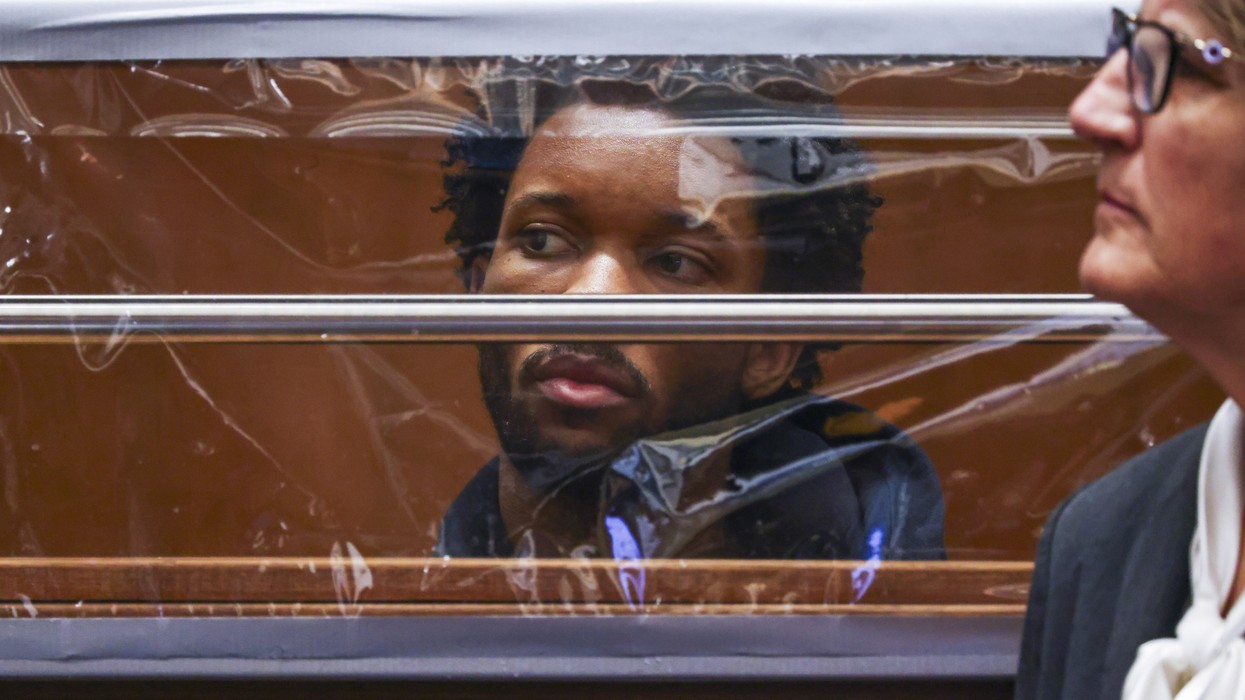
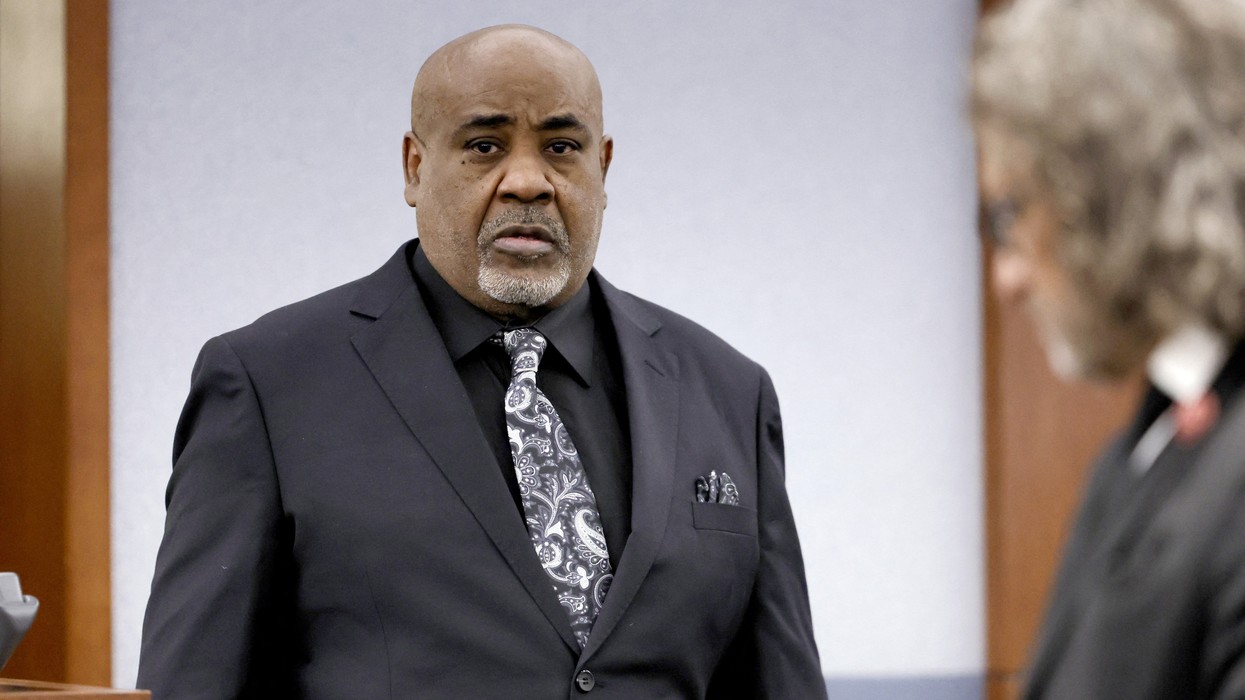
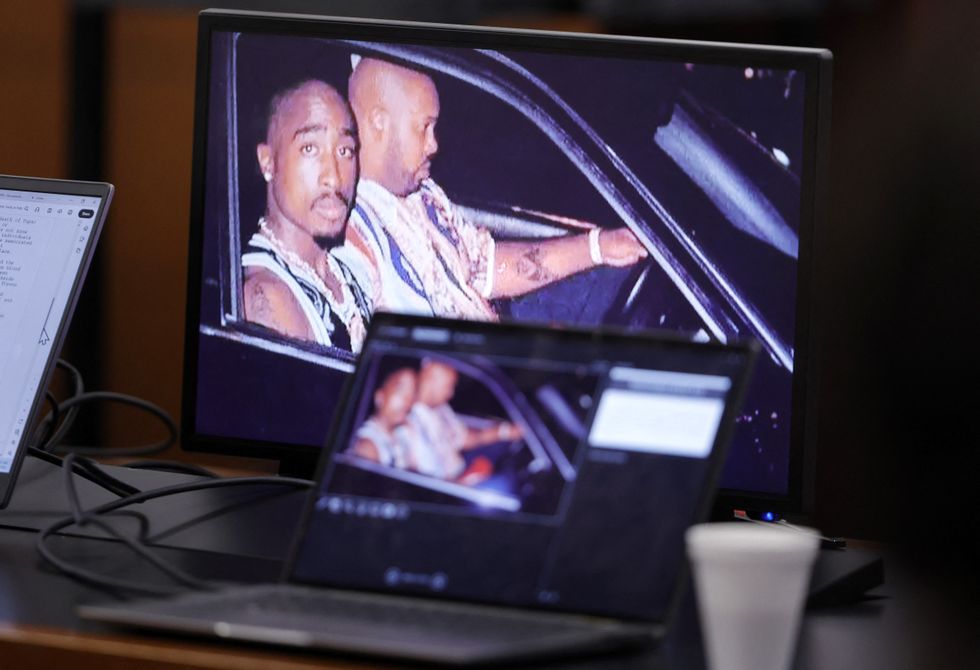 A 1996 photo of rapper Tupac Shakur (L) and Marion "Suge" Knight is shown on screens during closing arguments in the Duane Davis murder trial, related to the 1996 killing of rapper Tupac Shakur, at Clark County District Court at the Regional Justice Center in Las Vegas, Nevada, on August 31, 2026. Getty Images


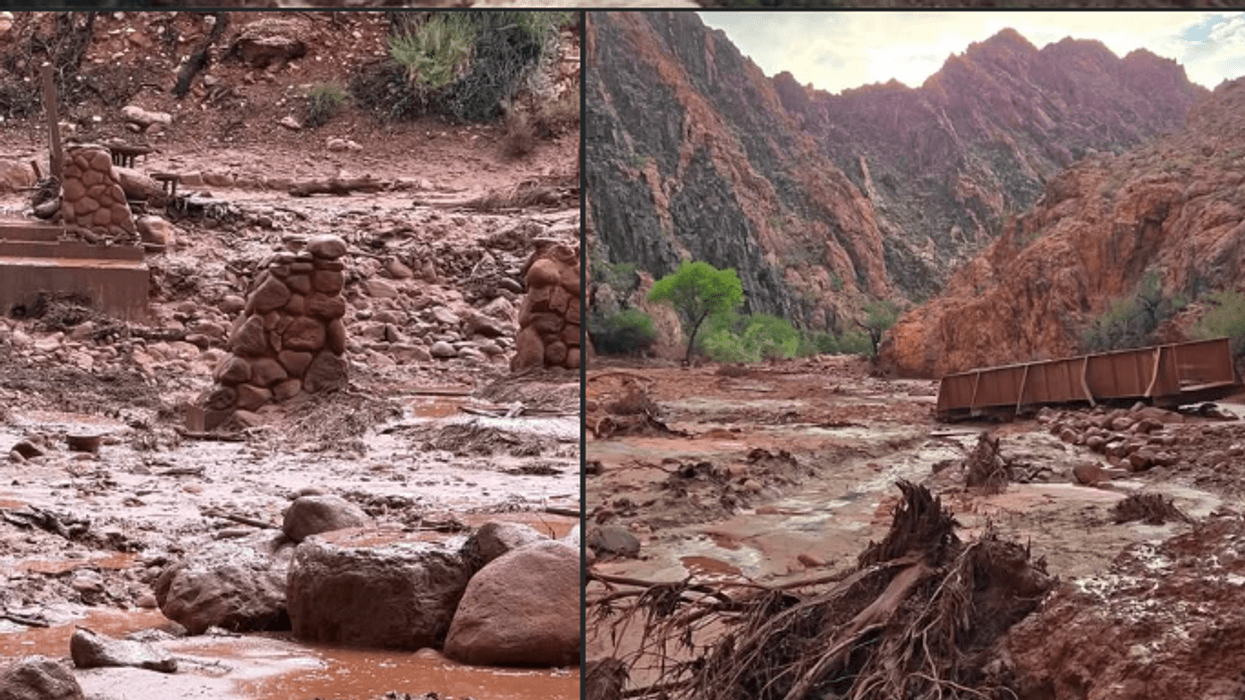
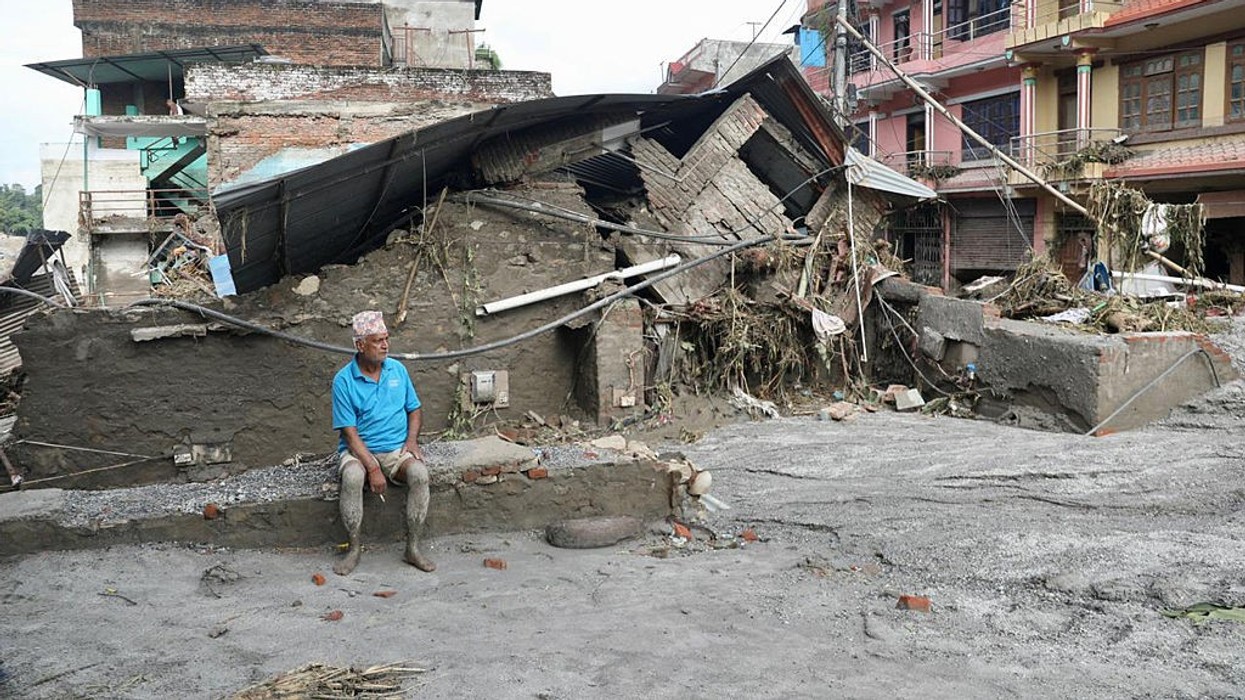
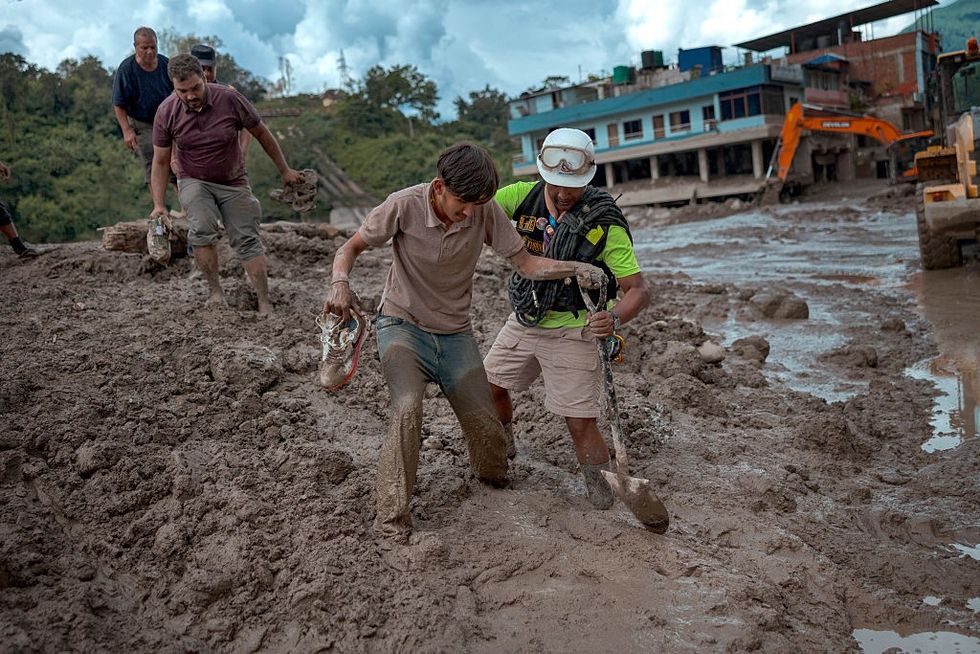 A rescuer assists a resident through heavy mud following flash floods on August 27, 2026 in Trishuli, Nepal. A sudden flood swept through the Bhote Koshi River basin in northern Rasuwa on August 26, damaging settlements, roads and energy infrastructure as rescue teams searched for residents and foreign travellers reported out of contact. Hundreds were reported missing, as the death toll started to climb.Getty Images
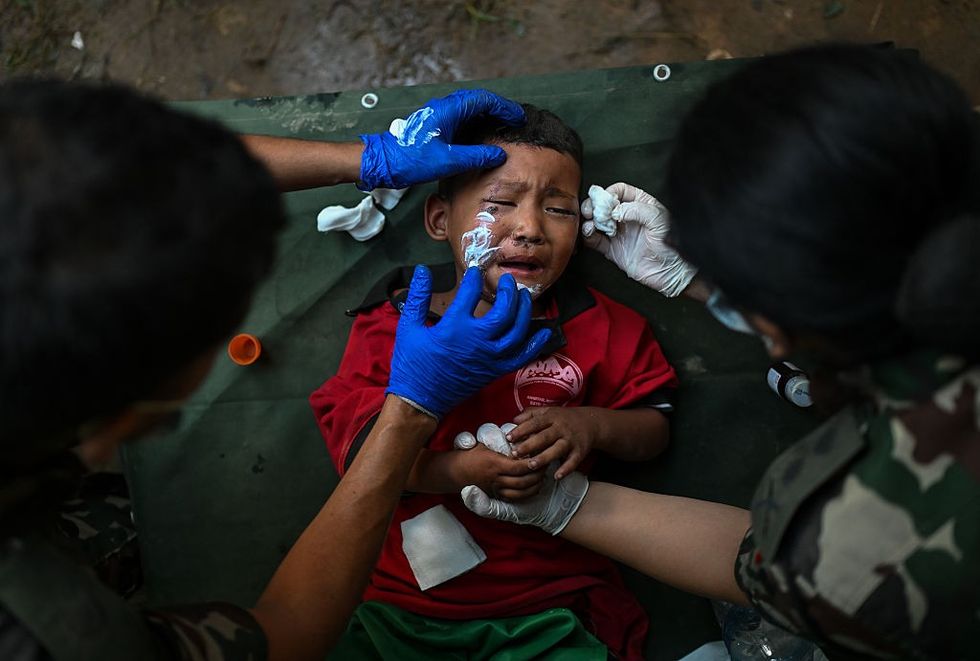 Rescue personnel provide medical treatment to a child at an army rescue camp in Trishuli Batar, Nepal, on August 27, 2026. A sudden flood swept through the Bhote Koshi River basin in northern Rasuwa on August 26, damaging settlements, roads and energy infrastructure, as rescue teams searched for residents and foreign travellers reported out of contact. Hundreds were reported missing as the death toll began to climb. Getty Ima
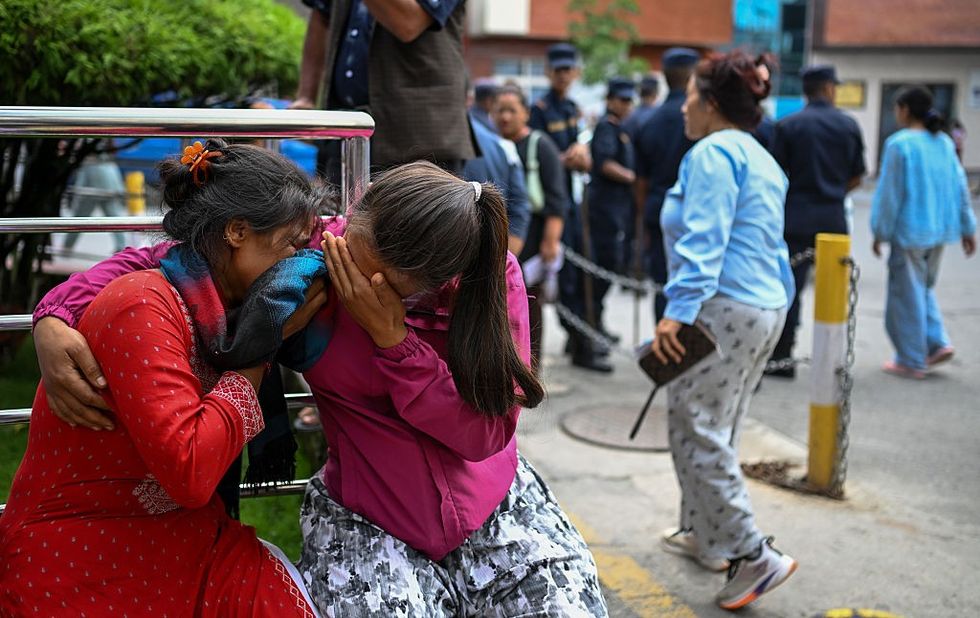 Family members of missing flood victims react at the emergency ward of the Maharajgunj Medical Campus, part of the Tribhuvan University Teaching Hospital, on August 28, 2026 in Kathmandu, Nepal. Authorities said the flash floods were triggered after a mass of ice, mud and rock collapsed into a Himalayan river near the Nepal-China border, leaving hundreds dead or missing and causing widespread damage in affected districts. Authorities continued the gruelling search for victims, many buried under metres of mud, as both China and Nepal issued fresh flooding alerts.Getty Images