
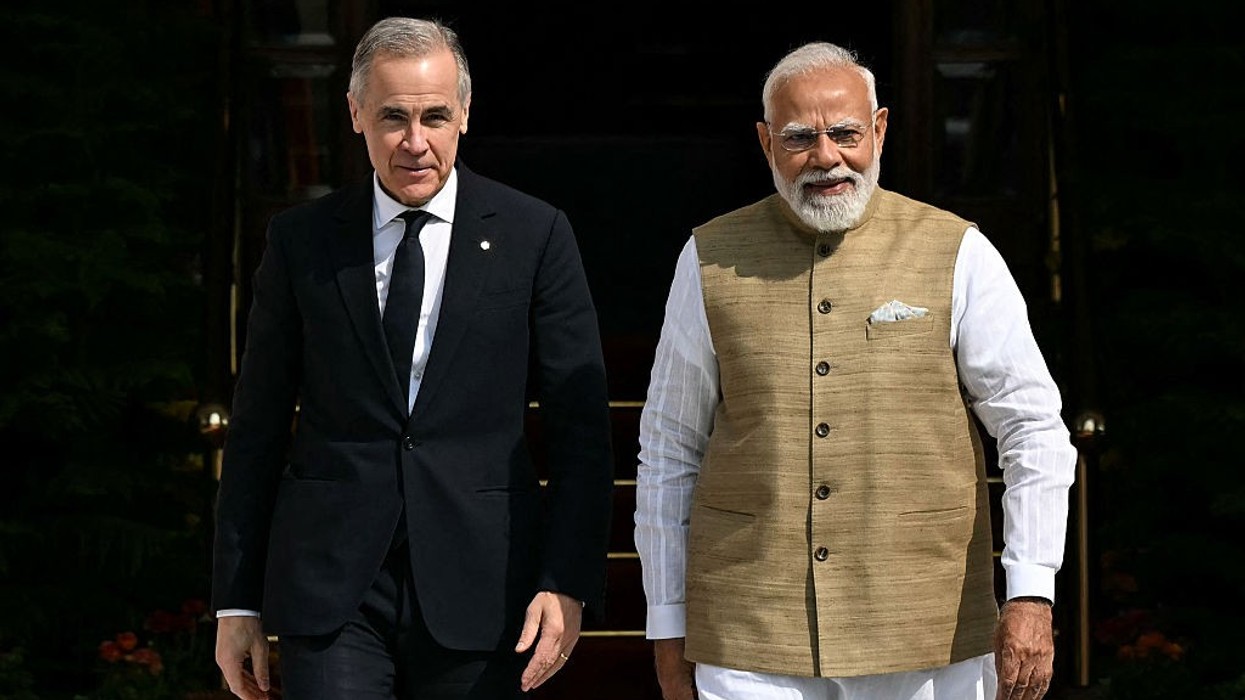
Prime minister Narendra Modi thanked Microsoft co-founder and philanthropist Bill Gates on Monday (1) for his praise for "Mann ki Baat" (Inner Thoughts) and said the programme reflects the collective spirit of the people of India to make the planet better, something Gates is also "passionate" about.
In the run-up to the 100th episode of Modi's monthly radio broadcast on Sunday (30), Gates had tweeted: "Mann ki Baat has catalysed community led action on sanitation, health, women's economic empowerment and other issues linked to the Sustainable Development Goals. Congratulations Narendra Modi on the 100th episode."
Modi replied on Monday: "I thank my friend Bill Gates for his words of appreciation. Mann ki Baat reflects the collective spirit of the people of India to make our planet better, something Mr Gates is also passionate about."
He said the radio programme's strong resonance with the Sustainable Development Goals is highlighted well in a study conducted by the Gates Foundation India.
(PTI)








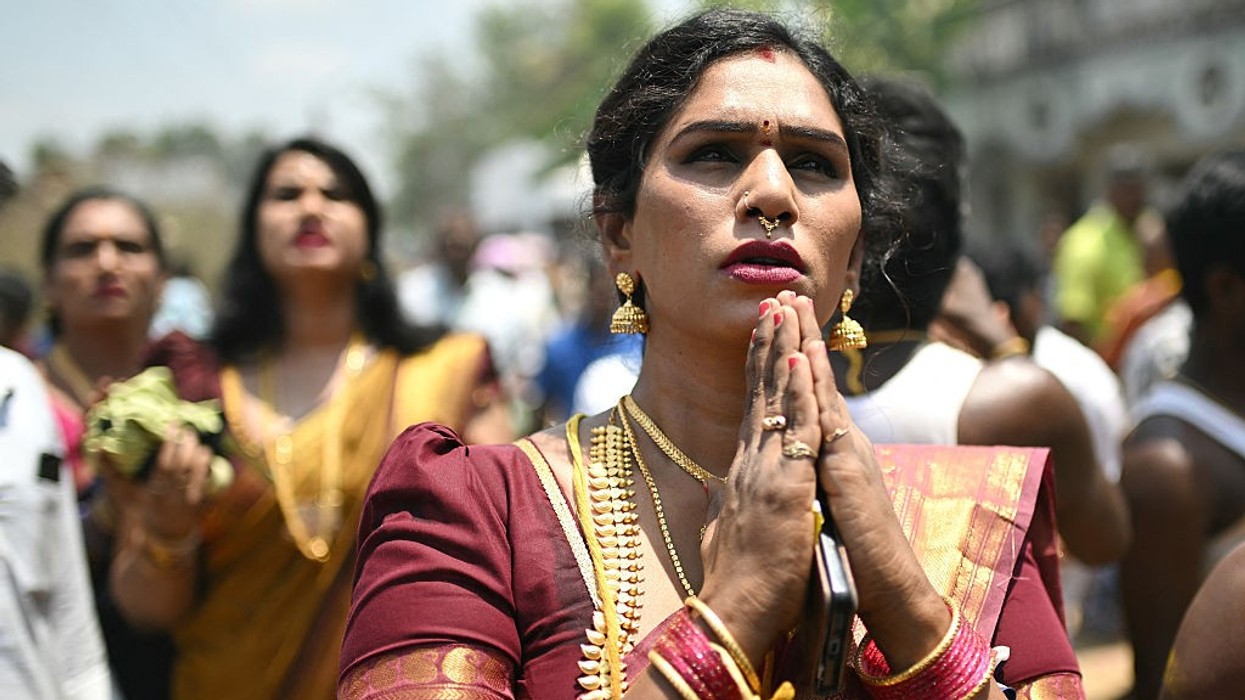






This photograph taken on April 28, 2026 shows a boy getting "thali", a sacred thread tied to his neck symbolising marriage to Hindu warrior god Aravan during the annual Koovagam transgender festival at the Koothandavar temple in Tamil Nadu's Kallakurichi district. For a few fleeting days each year, at the heart of the Koothandavar Temple where ostracised transgender community members from across India come to honour the Hindu deity Aravan, a tradition rooted in millennia-old Hindu texts -- and to enjoy a brief oasis of freedom.Getty Images
This photograph taken on April 29, 2026 shows a member of the transgender community mourning as a priest cuts the "thali", a sacred thread symbolising end of her marriage to Hindu warrior god Aravan during the annual Koovagam transgender festival at the Koothandavar temple in Tamil Nadu's Kallakurichi district. For a few fleeting days each year, at the heart of the Koothandavar Temple where ostracised transgender community members from across India come to honour the Hindu deity Aravan, a tradition rooted in millennia-old Hindu texts -- and to enjoy a brief oasis of freedom. Getty Images