MORE corpses are washing up on the banks of the Ganges in India's most populous state of Uttar Pradesh, as rains swell the river and expose bodies buried in shallow graves during the peak of the country's latest wave of coronavirus infections.
Videos and pictures in May of bodies drifting down the river, which Hindus consider holy, shocked the nation and underlined the ferocity of the world's biggest surge in infections.
Though cases have come down drastically this month, the Uttar Pradesh city of Prayagraj alone has cremated 108 bodies found in the river in the last three weeks, said a senior municipal official.
"These are those dead bodies which were buried very close to the river and have gone into it with the rise in its water levels," said Neeraj Kumar Singh.
"The municipal corporation has deployed a team of 25 people who are working day and night on this front."
Reuters saw more than a dozen riverside pyres burning a few miles from Prayagraj.
India, the world's second-most populous country, saw its health infrastructure crushed in April and May. Hospitals ran out of beds and life-saving oxygen and crematoriums became overwhelmed with the dead.
The government of Uttar Pradesh, home to 240 million people, acknowledged in May that bodies of Covid-19 victims were being dumped into rivers in a practice likely stemming from poverty and families abandoning victims for fear of the disease.
"Instructions have been passed to every district magistrate to cremate the dead bodies with proper respect," said Uttar Pradesh government spokesperson Navneet Sehgal.
"There are dead bodies buried on the river bank and it is because of a local tradition."
The state reported 224 Covid-19 infections overnight, taking its total caseload to 1.7 million, while total official fatalities are at 22,366.












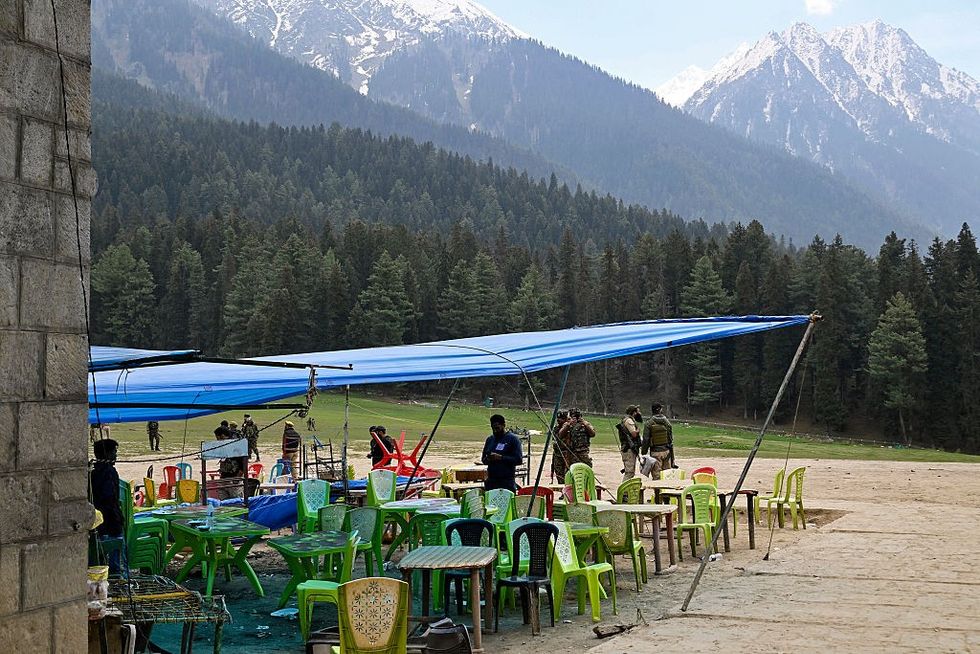 Security personnel inspect the site in the aftermath of an attack as food stall chairs lie empty in Pahalgam, about 90 kilometres (55 miles) from Srinagar on April 23, 2025. Indian security forces in Kashmir carried out a major manhunt on April 23, a day after gunmen opened fire on tourists killing 26 people in the region's deadliest attack on civilians since 2000. Getty Images
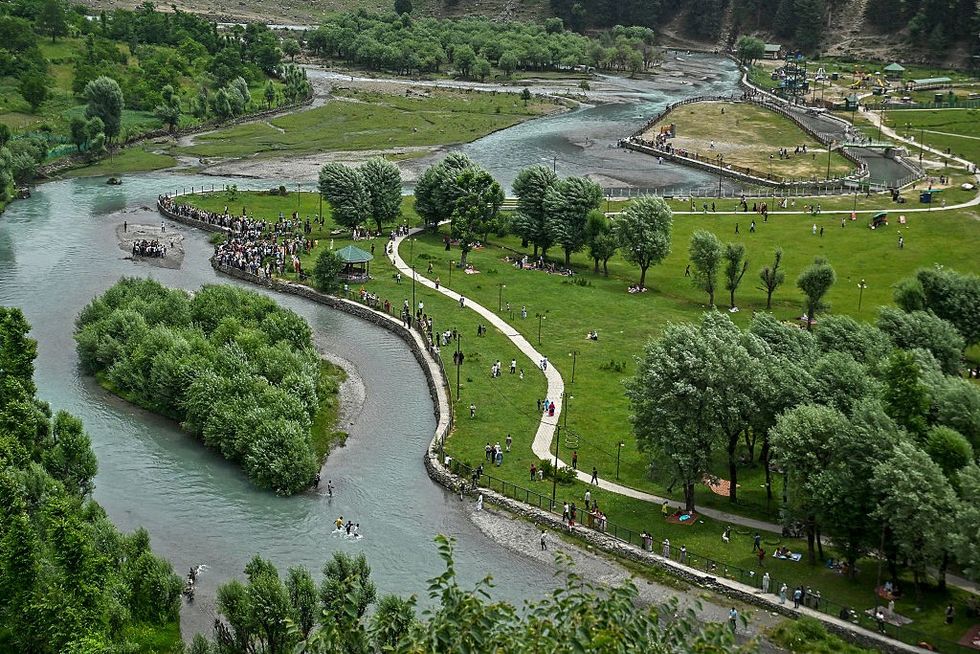 Tourists visit Betaab Valley in Pahalgam, about 112 km south of Srinagar on June 26, 2025.Getty Images
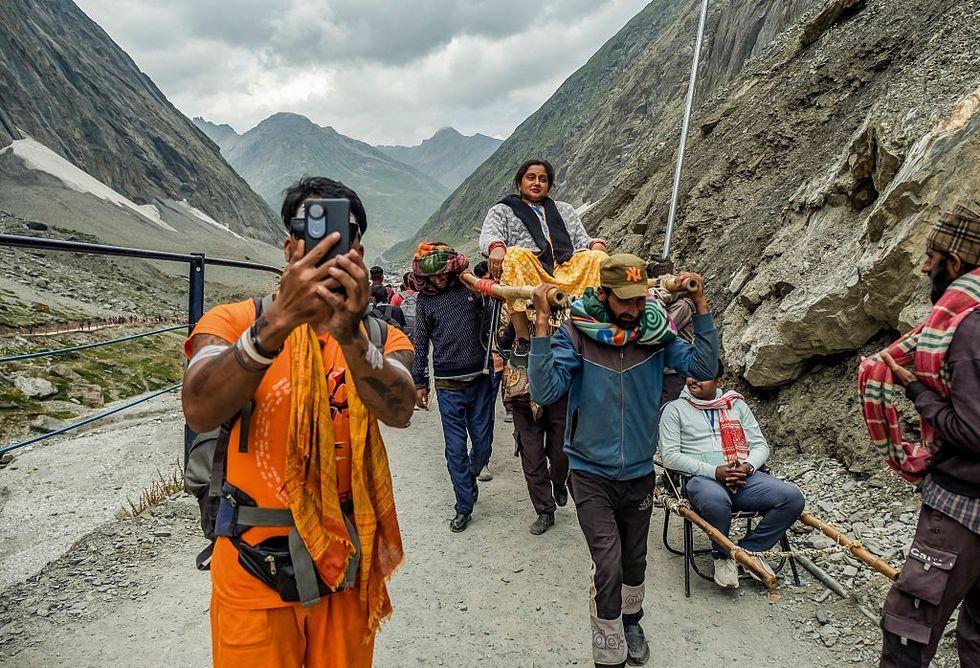 Pilgrims gather at the Baltal Base Camp near Domel, en route to the sacred Amarnath cave in Srinagar, Jammu and Kashmir, India, on July 29, 2025. The annual Amarnath Yatra, which began on July 3, proceeds under heightened security following a deadly terror attack in Pahalgam that claimed the lives of 25 tourists and a local pony handler. Security forces have been deployed in large numbers across the pilgrimage route, with checkpoints, surveillance, and restrictions in place to safeguard the thousands of devotees undertaking the arduous journey. The Amarnath Yatra is one of the most important Hindu pilgrimages, drawing worshippers from across India to the high-altitude Himalayan shrine dedicated to Lord Shiva. Despite the threat of violence and challenging terrain, pilgrims continue their spiritual trek, determined to complete the sacred journey under the shadow of grief and resilience.Getty Images