
Highlights:
- Indian Army message reinforces zero tolerance toward terrorism
- Pahalgam attack in 2025 killed 26 civilians, mostly tourists
- Tourism dropped sharply but is now gradually recovering
- QR code system introduced for over 7,000 service providers
- Security measures and surveillance have been significantly increased
“When boundaries of humanity are crossed, the response is decisive. Justice is served. India stands united."
This message, shared by the Indian Army ahead of the first anniversary of Operation Sindoor, sets the tone for a moment of reflection across the country. It is not just about military action, but also about lives changed forever and a region learning to rebuild.
Remembering the tragedy
On April 22, 2025, a terror attack in Pahalgam shook the nation. In the scenic Baisaran Valley, 26 people, including 25 tourists, were killed. The attack brought sudden fear to a place known for its beauty and peaceful environment.
Families of the victims continue to live with deep loss. Many say the pain has not faded with time. One grieving wife said she would not forget the incident “till my last breath,” while also adding, “Nothing is achieved by killing ordinary people.”
For many families, life changed overnight. Some lost their main source of income, while others continue to wait for promised support. Their stories remain at the heart of this tragedy.
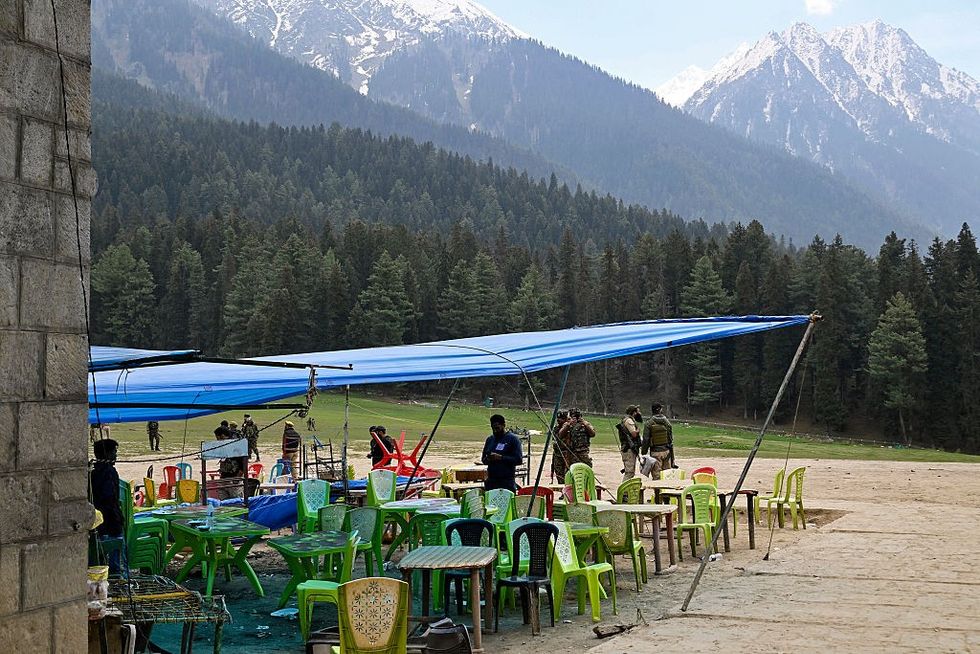 Security personnel inspect the site in the aftermath of an attack as food stall chairs lie empty in Pahalgam, about 90 kilometres (55 miles) from Srinagar on April 23, 2025. Indian security forces in Kashmir carried out a major manhunt on April 23, a day after gunmen opened fire on tourists killing 26 people in the region's deadliest attack on civilians since 2000. Getty Images
Operation Sindoor and its impact
In response, India launched Operation Sindoor on May 7, 2025. The operation targeted terror camps across the Line of Control and inside Pakistan. It marked a clear shift toward a zero-tolerance approach to terrorism.
The mission was carefully planned using intelligence inputs. Nine major terror camps were identified and struck with precision. The operation involved coordination between the Army, Air Force, and Navy.
Despite the scale, military planners focused on minimizing civilian harm. The strikes avoided sensitive times and locations, showing restraint even during action. A ceasefire followed on May 10 after military communication between both sides.
Tourism takes a major hit
The attack had an immediate and severe impact on tourism in Jammu and Kashmir. Within weeks, more than 80 per cent of bookings across Kashmir were canceled. In Pahalgam alone, nearly 90 per cent of bookings were lost.
Tourist numbers dropped sharply. From a record 2.36 crore visitors in 2024, the number fell to around 1.78 crore in 2025. Local businesses suffered heavily. Pony handlers, hotel owners, and shikara operators saw their earnings fall by up to 80 per cent.
Many hotels were forced to cut staff. At the same time, authorities shut down nearly 50 tourist spots for security checks, especially in high-altitude areas.
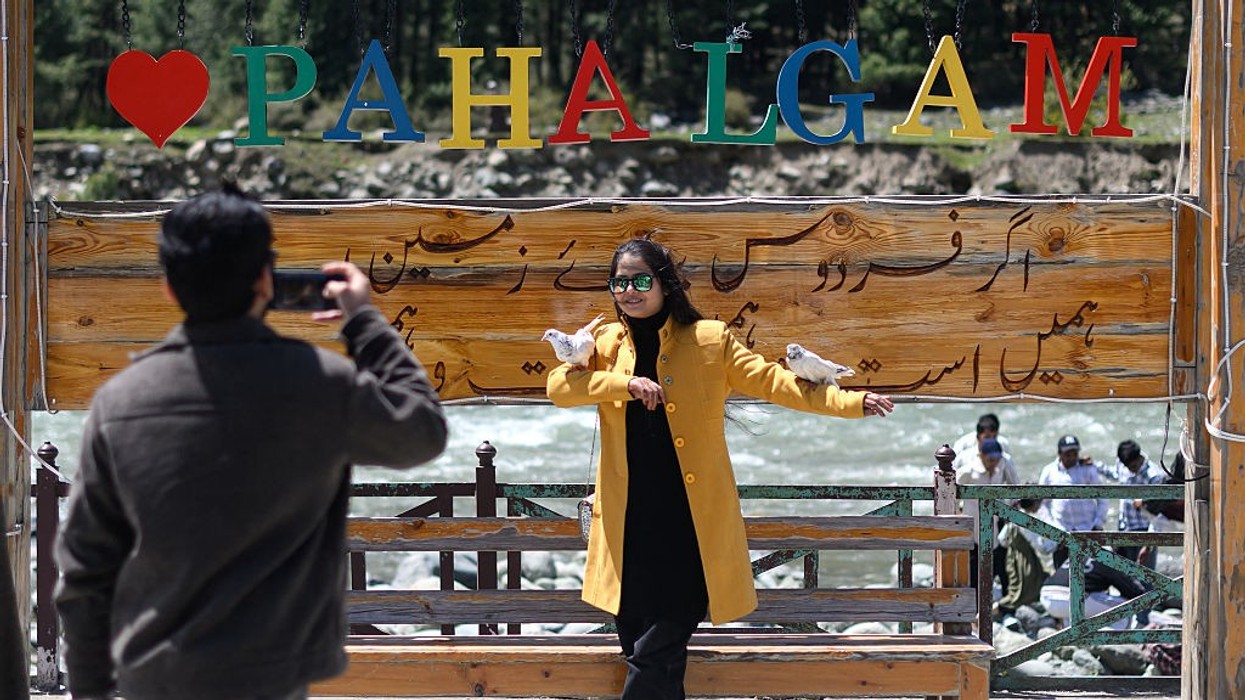
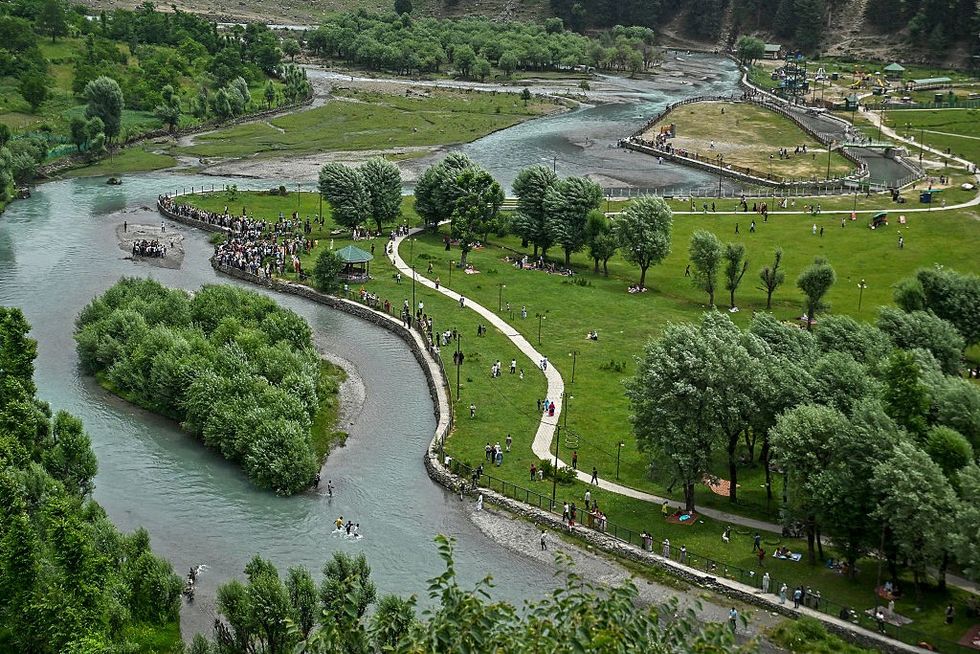 Tourists visit Betaab Valley in Pahalgam, about 112 km south of Srinagar on June 26, 2025.Getty Images
A slow but steady recovery
One year later, there are signs of recovery. Visitors are slowly returning to Kashmir, though numbers are still below earlier levels. Daily tourist footfall in Pahalgam is now around 1,000 to 1,500, compared to 3,000 to 5,000 before the attack.
Travelers from states like Maharashtra and Gujarat are among those coming back. Many say they feel safer now and are willing to revisit the Valley.
Seventeen major tourist destinations that were closed after the attack have been reopened. These include parts of Betaab Valley and other popular locations.
New safety measures for tourists
To rebuild trust, authorities have introduced several new safety steps. One of the most important is a QR code system for service providers.
More than 7,000 registered workers, including pony handlers and vendors, now carry QR codes. Tourists can scan these codes to check verified personal details, adding a layer of transparency and safety.
Security has also been tightened across the region. There is increased deployment of personnel, more checkpoints, and the use of drone surveillance in key areas.
These steps aim to reassure visitors that safety is a top priority. The government is also using digital tools and communication to rebuild confidence among travelers.
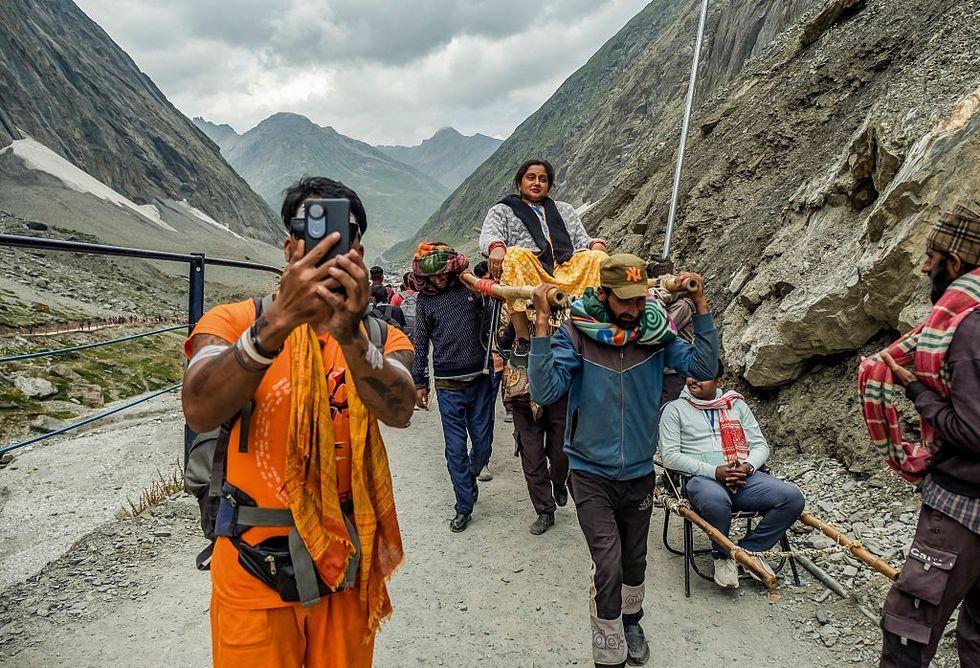 Pilgrims gather at the Baltal Base Camp near Domel, en route to the sacred Amarnath cave in Srinagar, Jammu and Kashmir, India, on July 29, 2025. The annual Amarnath Yatra, which began on July 3, proceeds under heightened security following a deadly terror attack in Pahalgam that claimed the lives of 25 tourists and a local pony handler. Security forces have been deployed in large numbers across the pilgrimage route, with checkpoints, surveillance, and restrictions in place to safeguard the thousands of devotees undertaking the arduous journey. The Amarnath Yatra is one of the most important Hindu pilgrimages, drawing worshippers from across India to the high-altitude Himalayan shrine dedicated to Lord Shiva. Despite the threat of violence and challenging terrain, pilgrims continue their spiritual trek, determined to complete the sacred journey under the shadow of grief and resilience.Getty Images
Looking ahead
The upcoming Amarnath Yatra is seen as a key test for the region’s recovery. Since Pahalgam serves as a major base for the pilgrimage, its success will reflect how well the new systems are working.
Tourism officials believe that while recovery is still in progress, the situation is improving. Visitors are returning, businesses are reopening, and daily life is slowly stabilizing.
A region moving forward
Kashmir today stands at a point between memory and hope. The scars of the past year remain, especially for those who lost loved ones. At the same time, efforts to rebuild are visible in every corner—from security checkpoints to QR codes and reopened tourist spots.
The message from the Indian Army reflects a strong national stance. But on the ground, the story is also about resilience.
Tourists are returning. Locals are rebuilding. And Kashmir, known for its beauty, is once again opening its doors, this time with stronger systems in place to ensure safety and trust.