
- US and Iran may hold a second round of talks in Islamabad on Monday (20)
- Delegations are expected to arrive in Pakistan on Sunday (19)
- Pakistan is playing a central mediating role in the negotiations
- Recent regional diplomacy supports de-escalation efforts
- A possible agreement could bring top global leaders to Islamabad
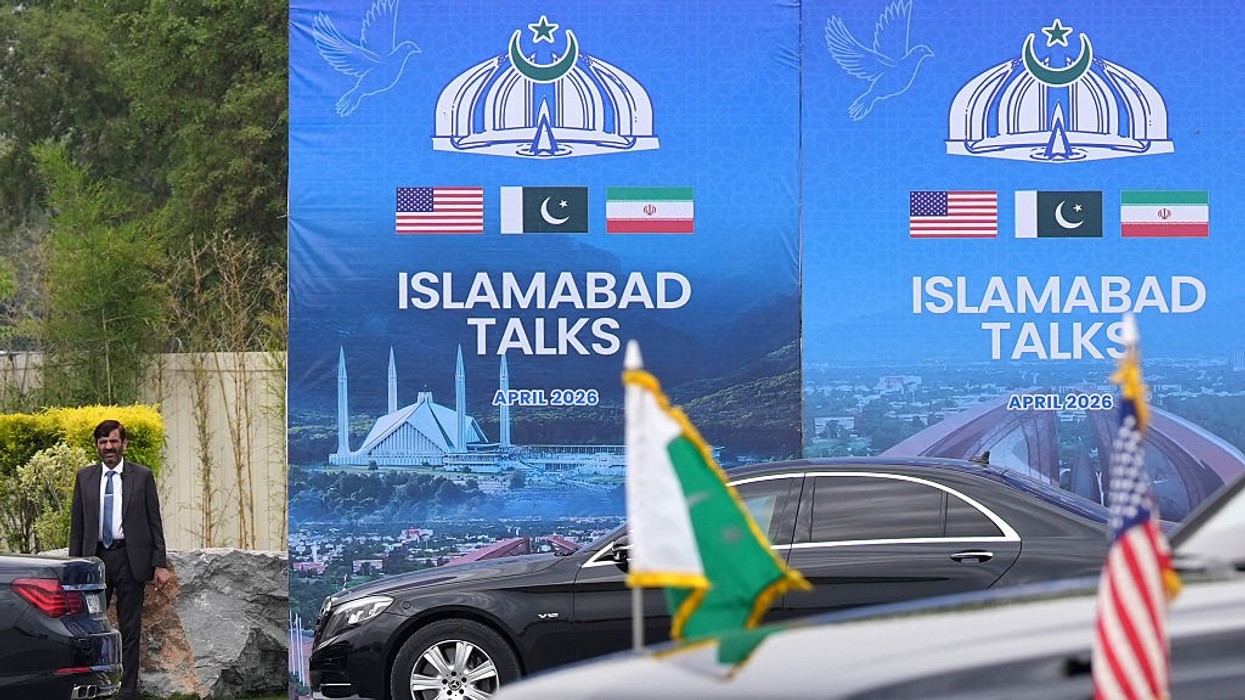
A new round of talks between the United States and Iran is likely to take place in Islamabad on Monday (20), according to officials familiar with the discussions. Iranian sources told CNN that delegations from both countries are expected to arrive in Pakistan’s capital on Sunday (19), signaling renewed momentum in diplomatic efforts to ease tensions in West Asia.
The anticipated meeting follows an earlier round of negotiations held on April 11-12 in Islamabad, which marked the first direct, high-level engagement between the two nations since the 1979 Islamic Revolution. While those talks lasted 16 hours, they ended without a formal agreement.
Pakistan has emerged as a key intermediary in the process. The country has been actively facilitating communication between Washington and Tehran, with officials expressing cautious optimism about a potential breakthrough, particularly regarding Iran’s nuclear program.
In parallel diplomatic developments, Shehbaz Sharif met with Tamim bin Hamad Al Thani and Recep Tayyip Erdogan on the sidelines of the Antalya Diplomacy Forum. The leaders discussed global efforts to reduce tensions and advance diplomatic solutions. Both Qatar and Turkey praised Pakistan’s role in mediating the conflict.
Military diplomacy has also played a role. Pakistan’s Army Chief, Asim Munir, recently visited Tehran, where he met senior Iranian officials, including Mohammad Bagher Ghalibaf and Abbas Araghchi. These discussions focused on regional security and efforts to revive stalled negotiations.
Meanwhile, president Donald Trump announced a 10-day ceasefire between Israel and Iran-backed Hezbollah. The truce followed intensified hostilities along the Israel-Lebanon border and is viewed as a step toward broader regional de-escalation. Trump stated he held productive conversations with Lebanese President Joseph Aoun and Israeli prime minister Benjamin Netanyahu, both of whom agreed to the temporary ceasefire.
Pakistani sources indicate that logistical preparations are already underway for the upcoming talks, including arrangements for delegations and media coverage. Technical teams from both sides are expected to participate in this next phase, working toward a draft agreement. If progress is made, senior leaders, including Trump and Iranian President Masoud Pezeshkian, could travel to Islamabad to formally sign a deal.
Although no official confirmation has been issued regarding the exact timing, ongoing back-channel communication suggests that both sides are aiming to reach a “maximum understanding” before the next phase begins. With Pakistan positioning itself as a diplomatic hub, the upcoming talks could prove निर्णायक in shaping the trajectory of US–Iran relations.



 x
x
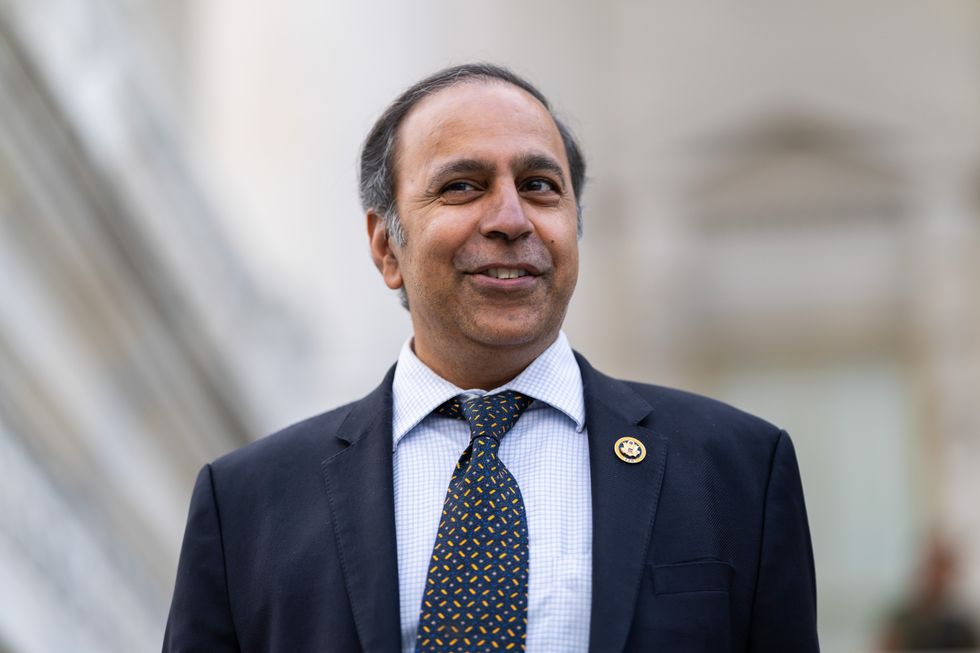 Raja KrishnamoorthiGetty Images
 Sarah Shah Indian American Impact
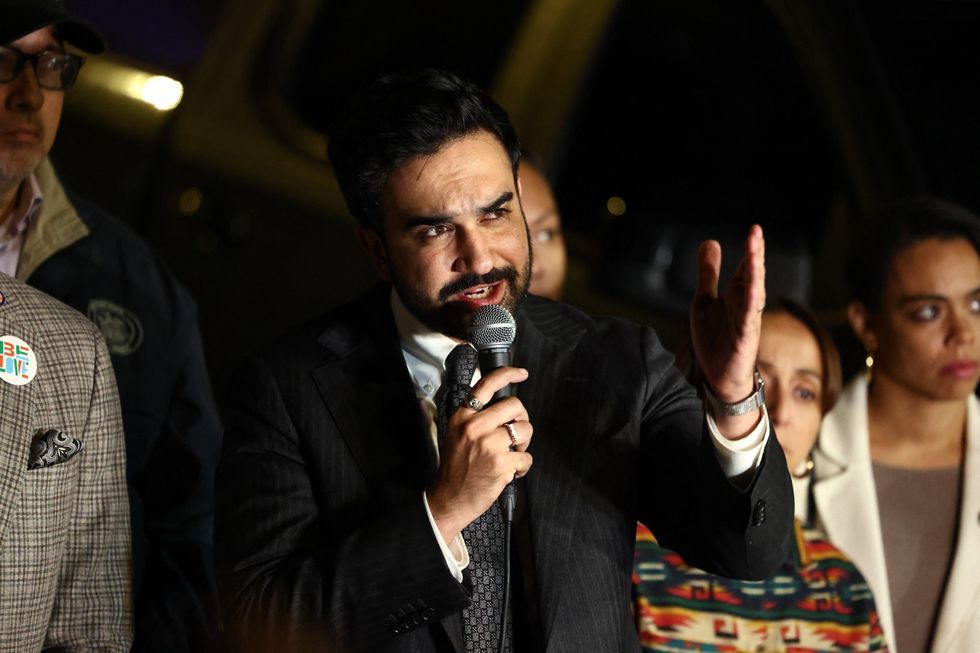 New York mayor Zohran Mamdani Getty Images
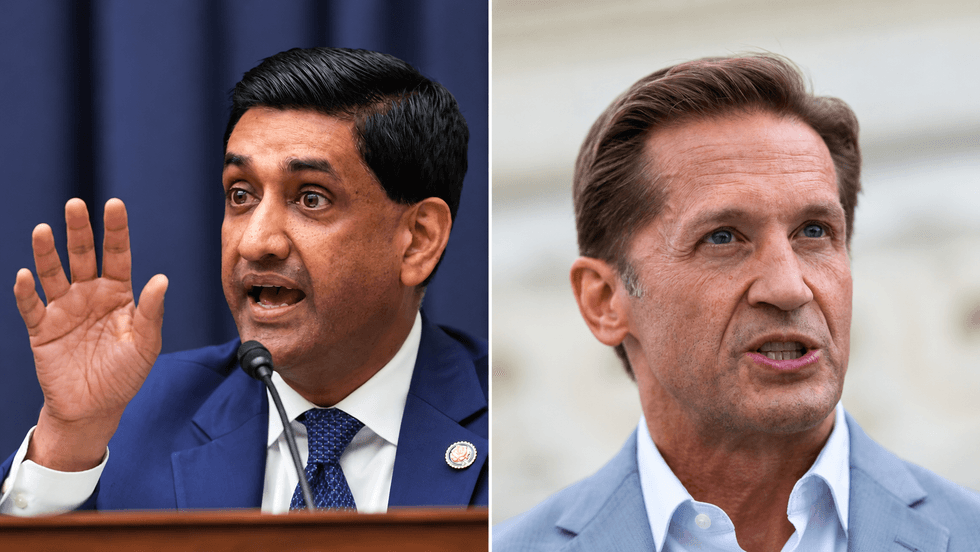 Rich McCormick and Ro KhannaGetty Images