
Highlights:
- H-1B selection rates rose from about 33 per cent to over 50 per cent, hitting 75 per cent in some cases.
- A $100,000 fee sharply reduced applications by making overseas hiring expensive.
- Total registrations dropped by up to 43 per cent, the lowest since 2020.
- A new weighted lottery system favors higher-paid and experienced applicants.
- An attorney called the $100,000 fee "the big delta" behind improved odds.
After years of declining odds in the H-1B visa lottery, 2026 has brought a significant turnaround for American businesses seeking high-skilled foreign workers. Selection rates for the highly competitive visa program have climbed sharply, reaching as high as 75 per cent in some cases and exceeding 50% across the board.
This marks a major improvement from previous years, when the chances of selection hovered around one in three, or roughly 33 per cent. According to a report by Bloomberg Law, immigration firms and employers across the United States are reporting substantially higher success rates in this year’s lottery.
At BAL, a leading business immigration law firm, some clients recorded selection rates exceeding 60 per cent. Other firms, including Ogletree Deakins, Erickson Immigration Group, and Boundless Immigration, also reported stronger outcomes compared to prior years. For higher-wage roles and applicants with advanced degrees, selection rates climbed above 75 per cent in certain cases.
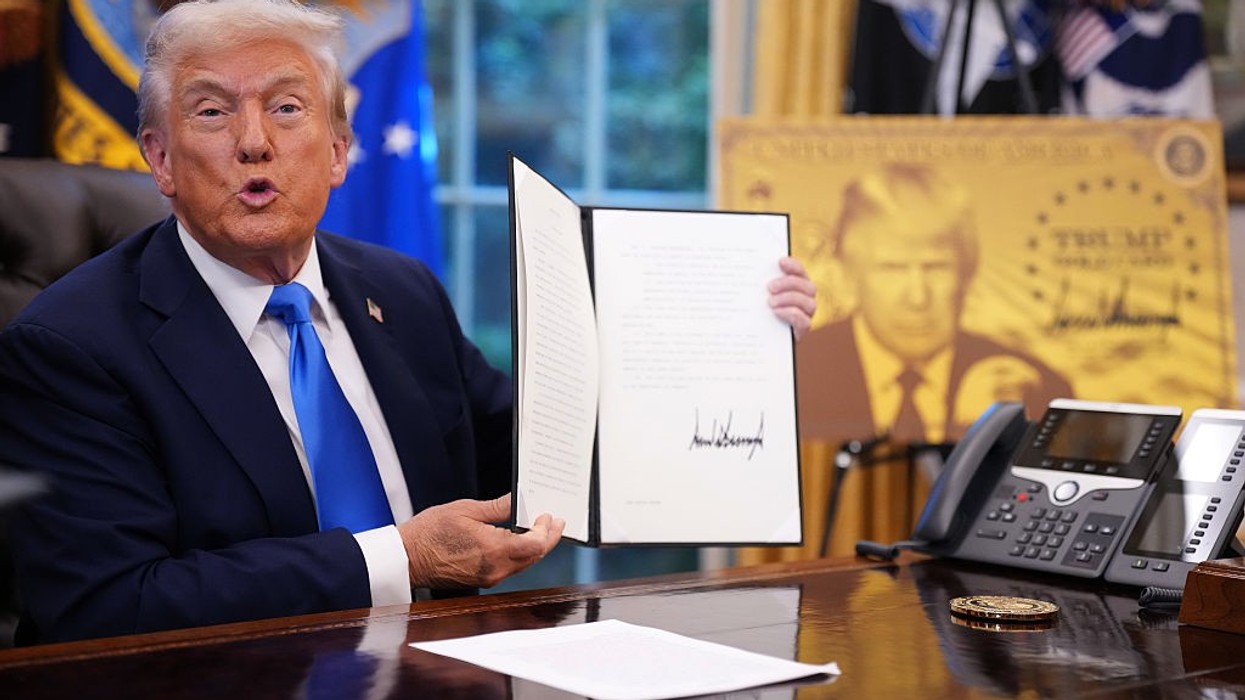
The sharp increase in approval rates is largely tied to policy changes introduced by the Trump administration, which significantly reshaped the H-1B program. While a new weighted lottery system played a role, the most important factor has been a steep reduction in the number of applicants.
A key driver behind this drop was the introduction of a $100,000 fee for hiring new H-1B workers from outside the United States. This substantial cost made international recruitment far more expensive, discouraging many employers from participating in the program.
Sectors such as universities and hospitals, which have traditionally relied on H-1B workers, were particularly affected. Many of these institutions scaled back or halted overseas hiring altogether. Similarly, tech companies and other cap-subject employers—who previously accounted for about 40% of new H-1B hires, largely opted out of sponsoring foreign workers due to the increased financial burden.
As a result, the total number of lottery registrations dropped dramatically. Estimates from immigration firm Lawfully, cited by Bloomberg Law, suggest that applications fell to between 195,000 and 235,000 this year. This represents a decline of up to 43 per cent compared to the previous year and marks the lowest number of registrations since the online lottery system was introduced in 2020. Just three years earlier, applications had exceeded 750,000.
With the annual cap remaining at 85,000 visas, the reduced applicant pool naturally improved the odds of selection. Immigration attorney Kelli Duehning of BAL described the $100,000 fee as "the big delta," emphasizing its central role in boosting selection rates. The fee also gave an advantage to workers already in the United States, as their employers could enter them into the lottery without incurring the additional cost.
In December, the Trump administration also finalized changes to the lottery system itself. The previous random selection process was replaced with a weighted framework that allows applicants up to four chances based on their wage levels. This system prioritizes higher-paid and more experienced candidates, shifting focus away from entry-level workers.
Additional factors have also contributed to the reduced demand for H-1B visas. The tech sector, a major user of the program, has slowed hiring after investing heavily in artificial intelligence and shifting toward more senior roles. At the same time, many employers have taken a cautious approach amid ongoing policy changes.
Legal challenges to the $100,000 fee are currently underway in multiple federal courts. Even if the fee is overturned, proposed regulations could further increase wage requirements, potentially reshaping the program again.





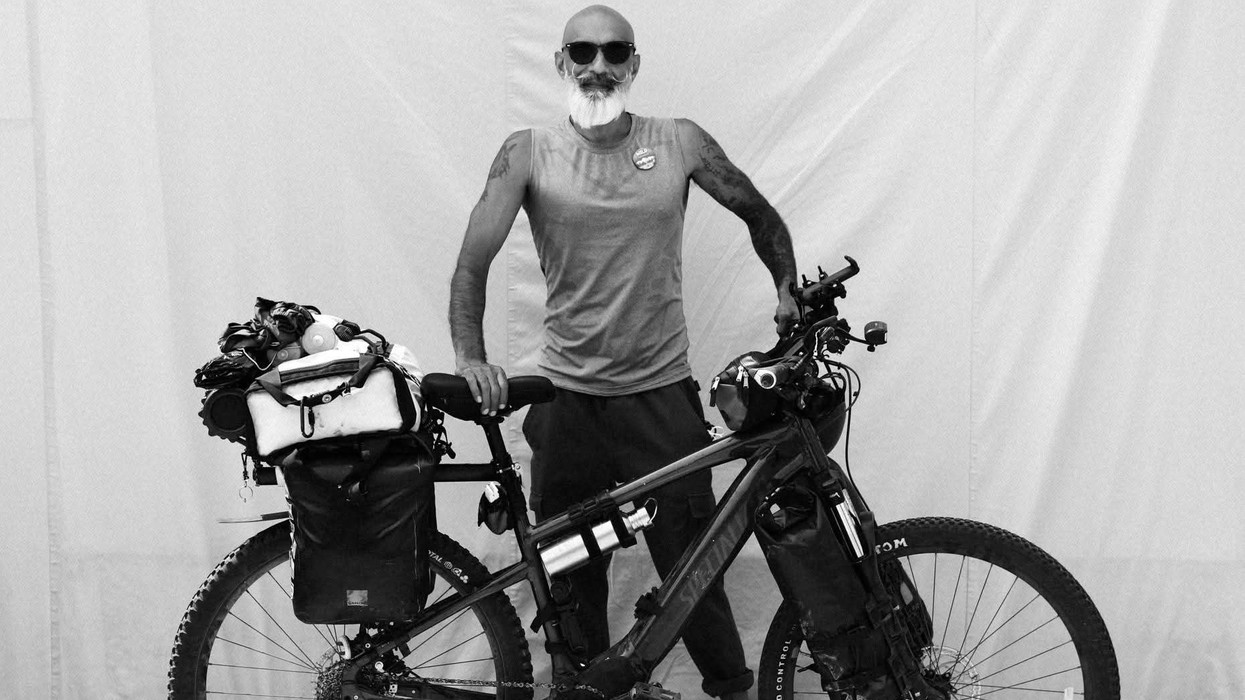
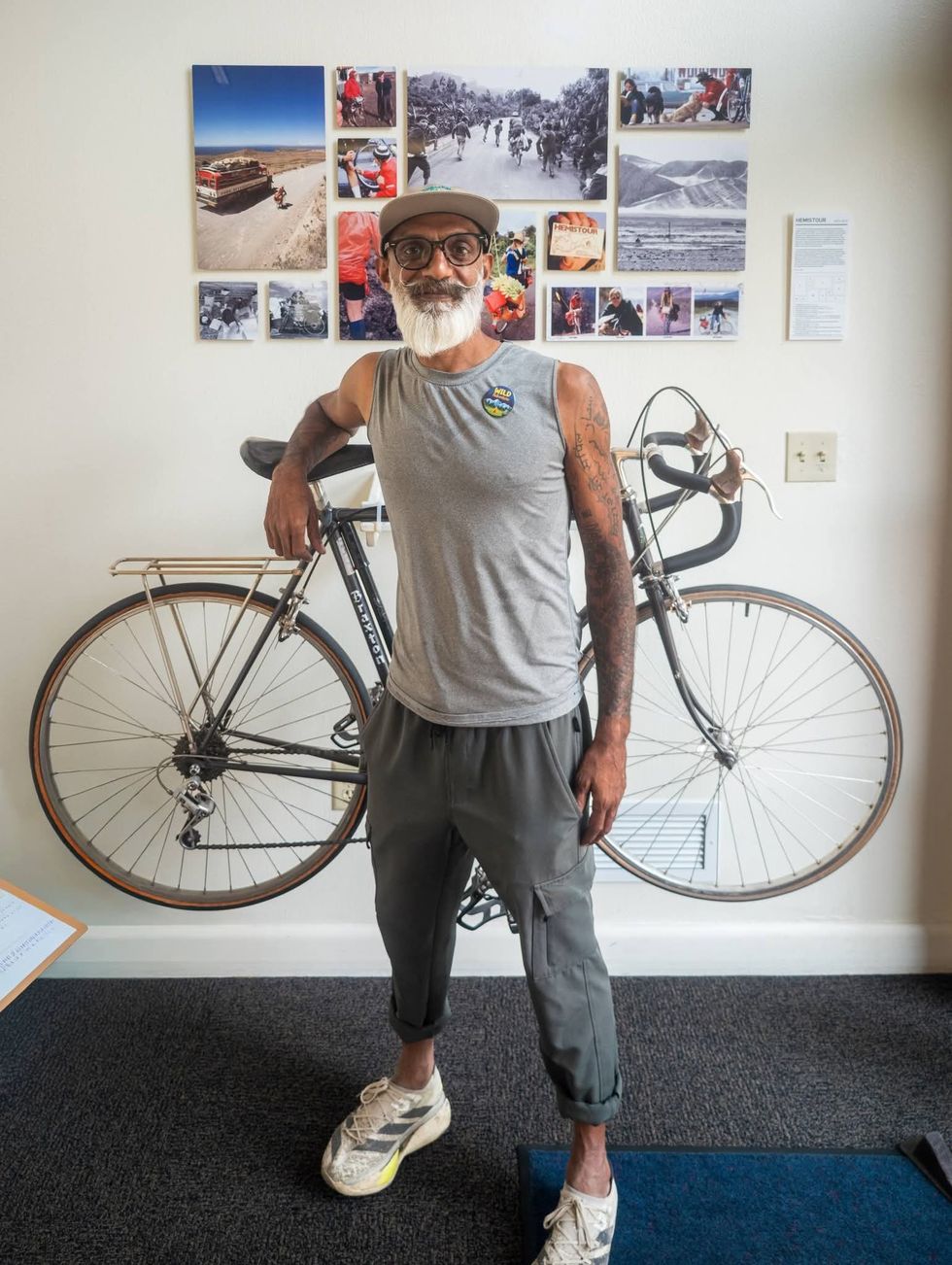 Chazzy Patel with his electric bike and the memories captured in frames.Google Drive
 Chazzy Patel with his friends he made while circumnavigating on electric bike.Google Drive
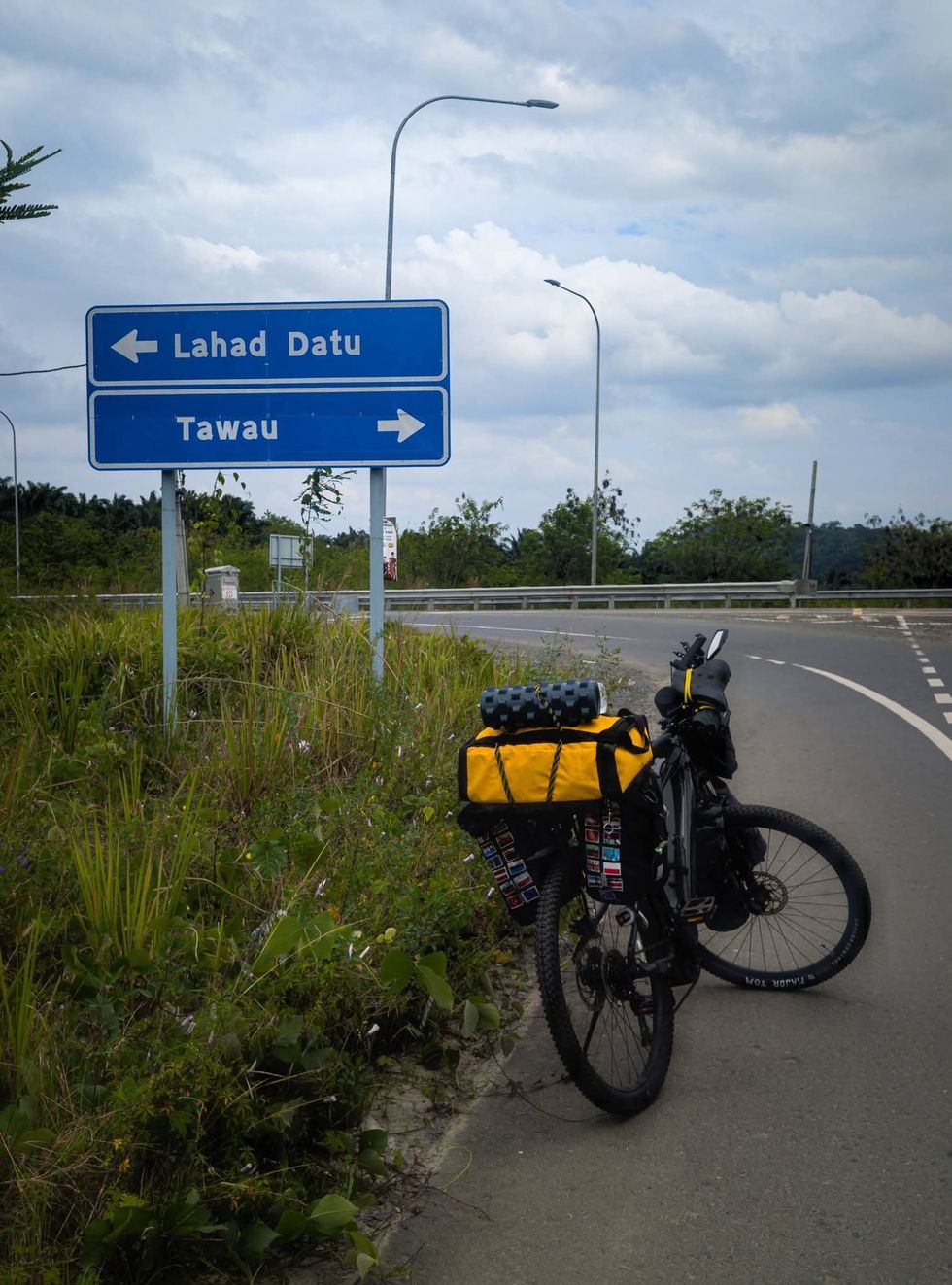 Chazzy Patel's setup in ThailandGoogle Drive