

AT LEAST 50 people were killed and 20 others injured when several vehicles carrying passengers were targeted by militants in northwest Pakistan on Thursday, officials said.
The militants ambushed the vehicles in the Kurram district of restive Khyber Pakhtunkhwa province bordering Afghanistan.
The vehicles were travelling in a convoy from Parachinar to Peshawar, the capital of Khyber Pakhtunkhwa when gunmen opened fire, the officials said.
Rescue authorities said 50 people, including eight women and five children, and 20 others were killed in the attack.
Most of the victims belonged to the Shia community, they said.
The vehicles were ambushed in areas dominated by the Taliban, a local journalist said.
According to local media, there were over 200 vehicles in the convoy.
Khyber Pakhtunkhwa Chief Minister Ali Amin Khan Gandapur strongly condemned the attack and directed a governmental delegation to immediately visit Kurram to assess the situation and submit a report. (PTI)





 A 1996 photo of rapper Tupac Shakur (L) and Marion "Suge" Knight is shown on screens during closing arguments in the Duane Davis murder trial, related to the 1996 killing of rapper Tupac Shakur, at Clark County District Court at the Regional Justice Center in Las Vegas, Nevada, on August 31, 2026. Getty Images






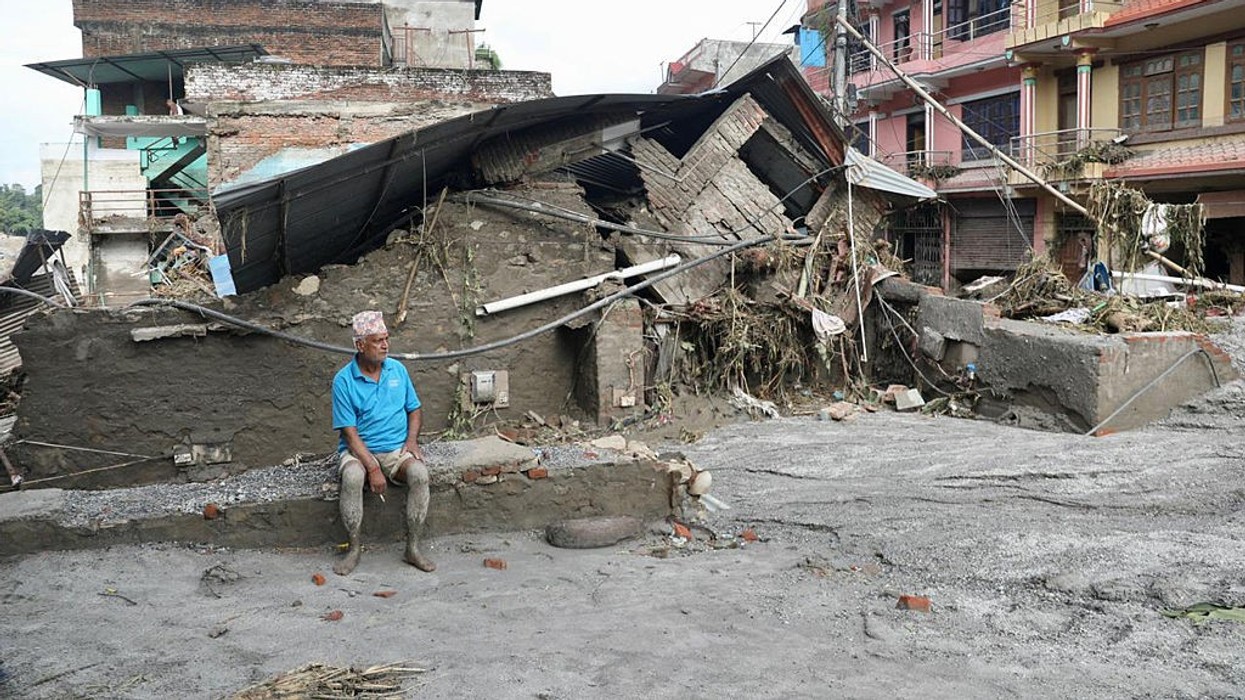
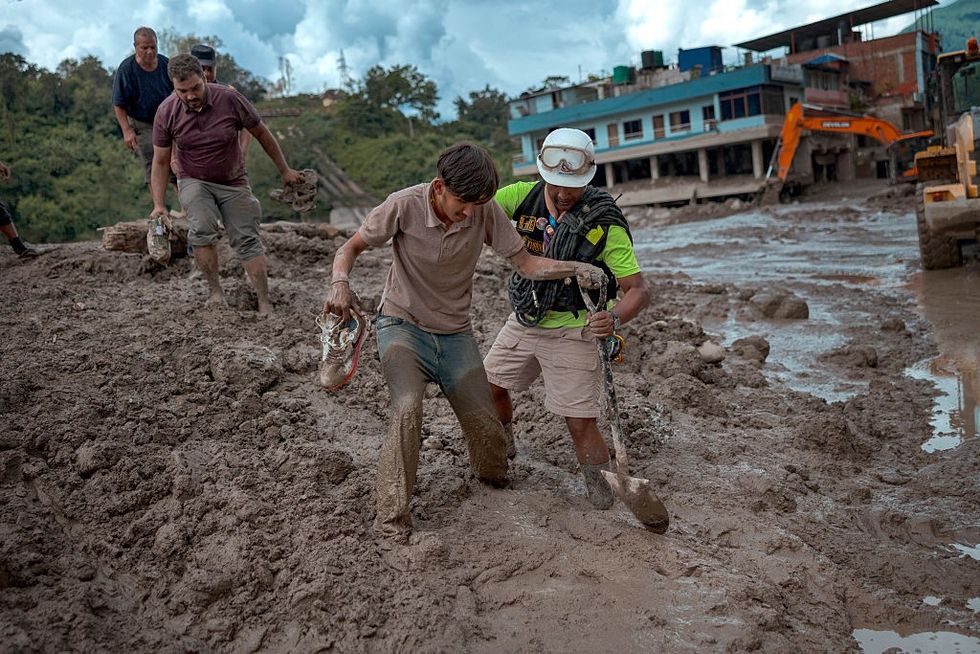 A rescuer assists a resident through heavy mud following flash floods on August 27, 2026 in Trishuli, Nepal. A sudden flood swept through the Bhote Koshi River basin in northern Rasuwa on August 26, damaging settlements, roads and energy infrastructure as rescue teams searched for residents and foreign travellers reported out of contact. Hundreds were reported missing, as the death toll started to climb.Getty Images
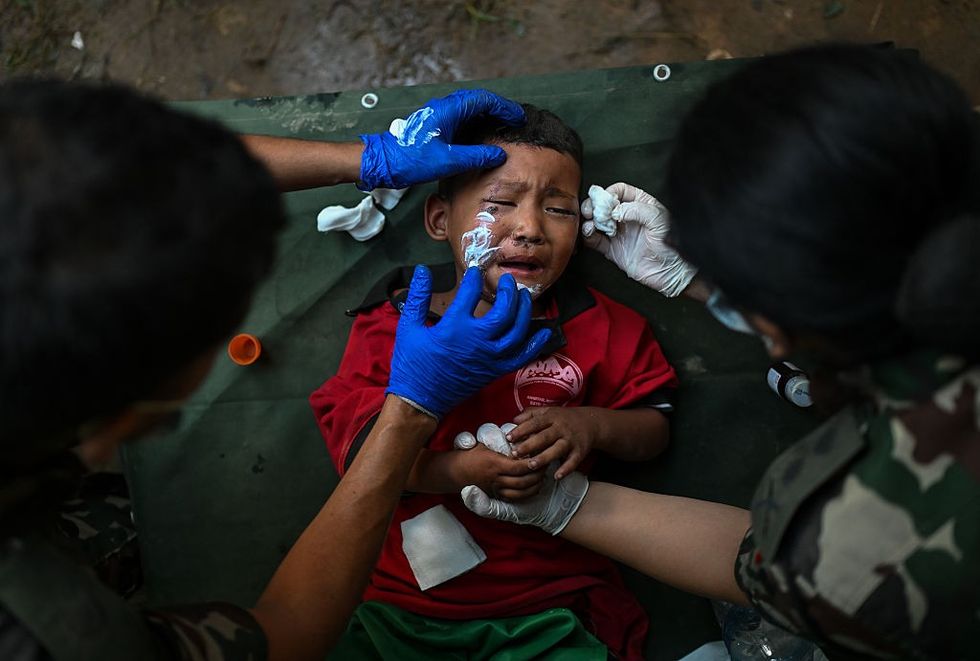 Rescue personnel provide medical treatment to a child at an army rescue camp in Trishuli Batar, Nepal, on August 27, 2026. A sudden flood swept through the Bhote Koshi River basin in northern Rasuwa on August 26, damaging settlements, roads and energy infrastructure, as rescue teams searched for residents and foreign travellers reported out of contact. Hundreds were reported missing as the death toll began to climb. Getty Ima
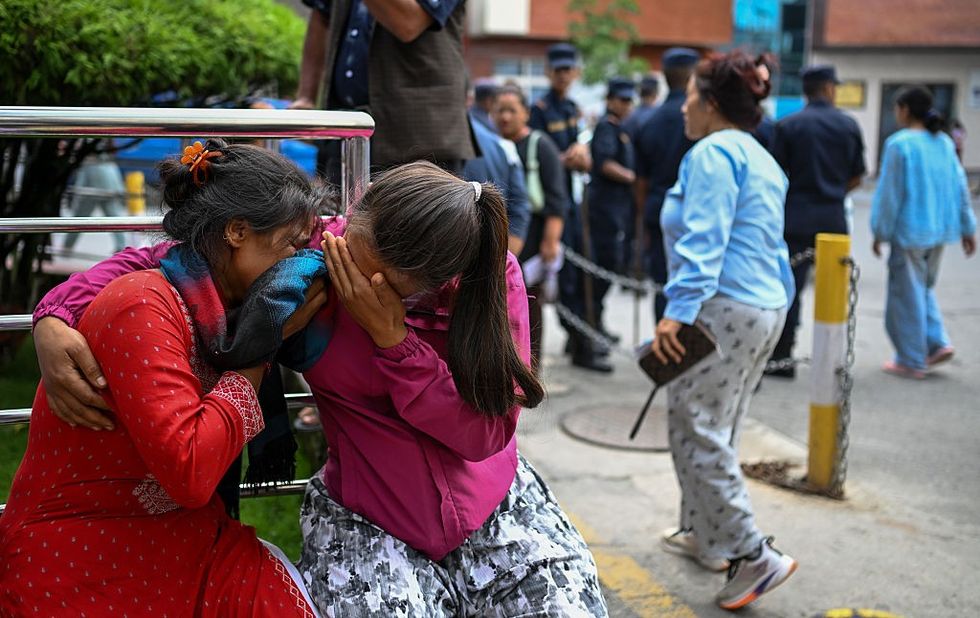 Family members of missing flood victims react at the emergency ward of the Maharajgunj Medical Campus, part of the Tribhuvan University Teaching Hospital, on August 28, 2026 in Kathmandu, Nepal. Authorities said the flash floods were triggered after a mass of ice, mud and rock collapsed into a Himalayan river near the Nepal-China border, leaving hundreds dead or missing and causing widespread damage in affected districts. Authorities continued the gruelling search for victims, many buried under metres of mud, as both China and Nepal issued fresh flooding alerts.Getty Images