
- Average prices of Porsche's top models are expected to rise above €330,000, or about $370,000, by 2030.
- The company wants its most expensive models to make up 45 per cent of its portfolio.
- Porsche is targeting a break-even point below 200,000 vehicles as it moves from “volume over value” to “value over volume”.
Porsche is planning a major shift towards more expensive and exclusive cars, with the German sports-car maker aiming to lift the average price of its top models by roughly 20 per cent by 2030.
Chief executive Michael Leiters unveiled the strategy at Porsche's investor day in Weissach, saying the company wanted to “further elevate our positioning, protect the exclusivity of Porsche and gain pricing power”.
The average price of its top-end models is expected to rise from about €270,000 ($302,000) this year to more than €330,000 ($370,000) by the end of the decade. Porsche's own investor presentation says the increase will be driven by expanding the portfolio above the current 911, offering more high-performance derivatives and increasing individualisation and exclusivity.
The strategy takes inspiration from Ferrari, whose focus on limited volumes, high prices and customisation has helped it achieve operating margins of around 30 per cent.
For Porsche, the move marks a significant change after years of pursuing higher volumes and a rapid shift towards electric vehicles.
Why is Porsche moving towards more expensive cars?
Porsche's financial performance has deteriorated sharply from the levels it once enjoyed within Volkswagen Group.
Deliveries fell from about 320,000 vehicles in 2023 to 279,449 last year, while its operating margin fell from 18 per cent to just 1.1 per cent in 2025.
Weakening demand in China, higher US tariffs and heavy costs associated with changing its electric-vehicle strategy have all put pressure on the business.
Leiters is now pursuing a “value over volume” strategy. Porsche expects its break-even point to fall below 200,000 vehicles, meaning it will need to sell fewer cars to cover its costs.
The company also plans to cut product development costs and the number of model variants by about 20 per cent, while greater cooperation and platform-sharing with Audi should help reduce development spending.
Porsche has agreed with unions to reduce its workforce by about 9,000 positions by 2035, largely through socially responsible measures including natural attrition and voluntary severance.
At the same time, the most expensive cars will become a bigger part of the business. Porsche expects its top-end models to account for 45 per cent of its portfolio by 2030, compared with roughly one-third today.
The company is maintaining its target of a 10 to 15 per cent operating margin in the medium term and aims for a 15 per cent margin by 2035.
What cars will Porsche make next?
Porsche is also changing course on its electric-vehicle strategy.
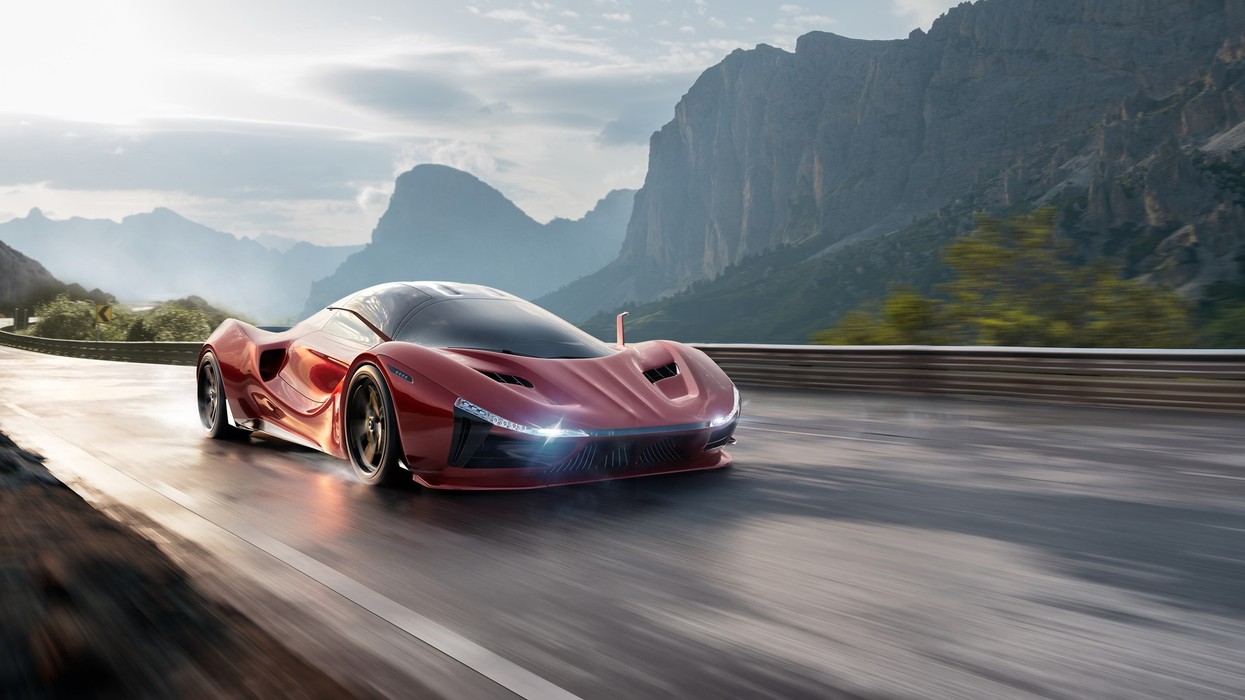
A new combustion-engine version of the Macan is due in 2028, alongside a new SUV available with petrol and plug-in hybrid powertrains. The company is also developing a new super-sports car positioned above the 911.
There will be no electric 911 under the current strategy, while the electric 718 Boxster and Cayman are planned to support sales from 2028.
Porsche is aiming for roughly two petrol and plug-in hybrid vehicles for every EV, reflecting a more cautious approach to electrification after weaker-than-expected demand and the cost of changing its earlier plans.
The company also wants to expand its bespoke and limited-edition offerings, giving wealthy customers more ways to customise their cars and creating additional revenue from each vehicle.
That is where the Ferrari comparison becomes important. Porsche is not simply trying to charge more for the same cars. It wants to make its most desirable models rarer, more personalised and harder to replicate.
The gamble is that selling fewer cars at much higher prices can produce stronger profits than chasing volume.
For Porsche, that could mean a smaller company by the end of the decade, but one with a business model closer to the ultra-luxury end of the automotive market.