
Highlights:
- Two missiles from Yemen intercepted near Saudi refineries
- No damage reported after the attempted strike
- US carried out 13th straight night of strikes on Iran
- Houthis declare naval blockade after tanker attacks
- Pakistan pushing to revive stalled US-Iran talks
Saudi Arabia's air defenses intercepted two ballistic missiles fired from Yemen on Saturday (25), targeting oil refineries in the Red Sea city of Yanbu, according to Greek security sources who spoke to Reuters. The attempted strike came just a day after US forces carried out fresh airstrikes on Iran, deepening a conflict that has now dragged on for nearly five months.
Saudi civil defense officials issued several warnings for Yanbu before later confirming the danger had passed. A separate warning was issued for the port city of Jizan, roughly 620 miles to the south near the Yemeni border. No official reports of damage have emerged from either location.
The interception was carried out by Greek military personnel operating a US-made Patriot air defense battery, which Greece has stationed in Saudi Arabia since 2021 as part of an agreement to protect the kingdom's energy infrastructure.
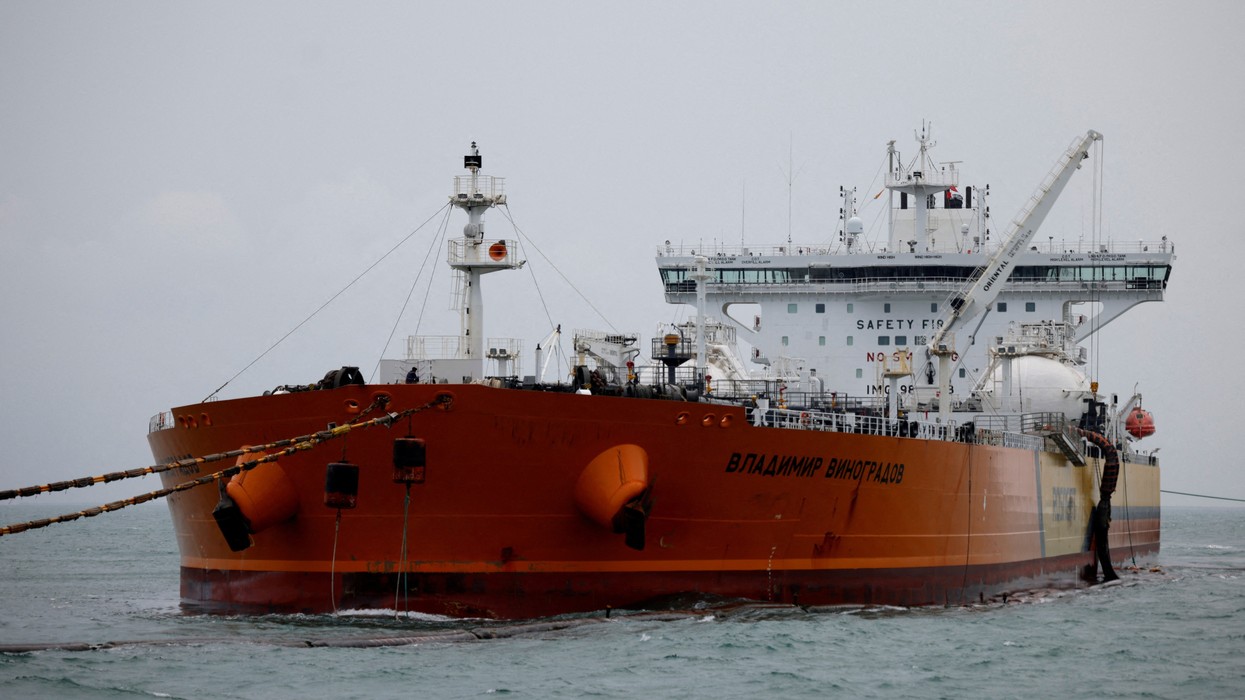
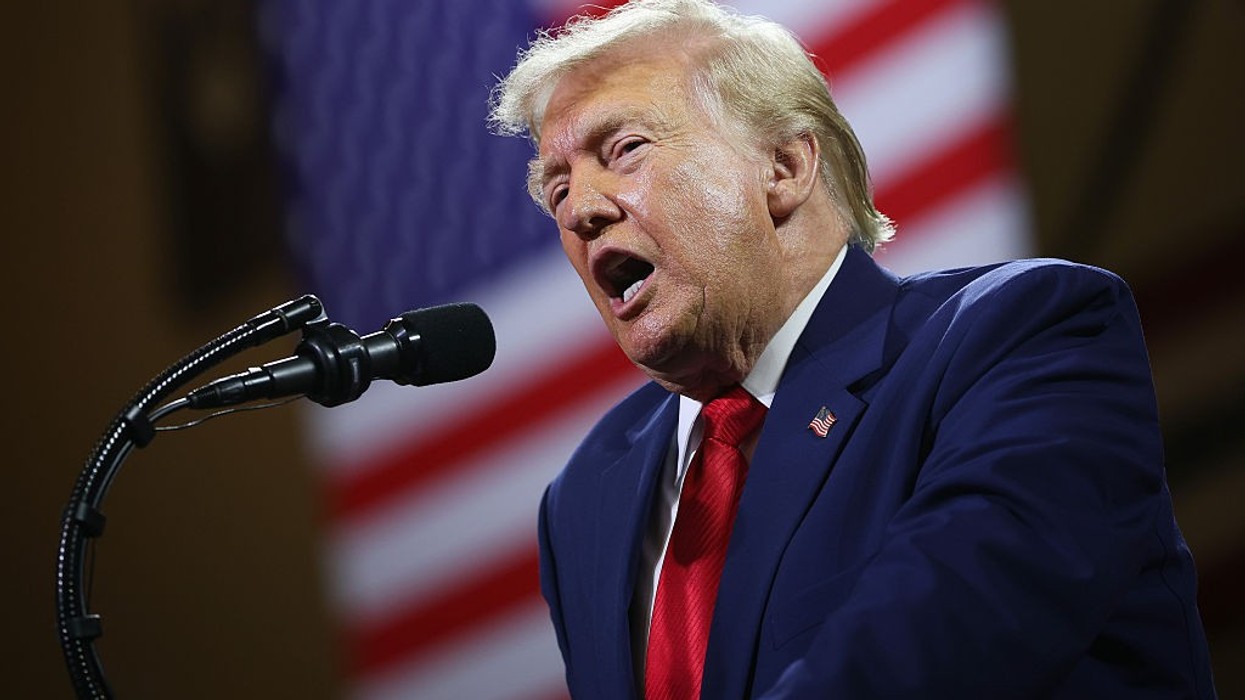
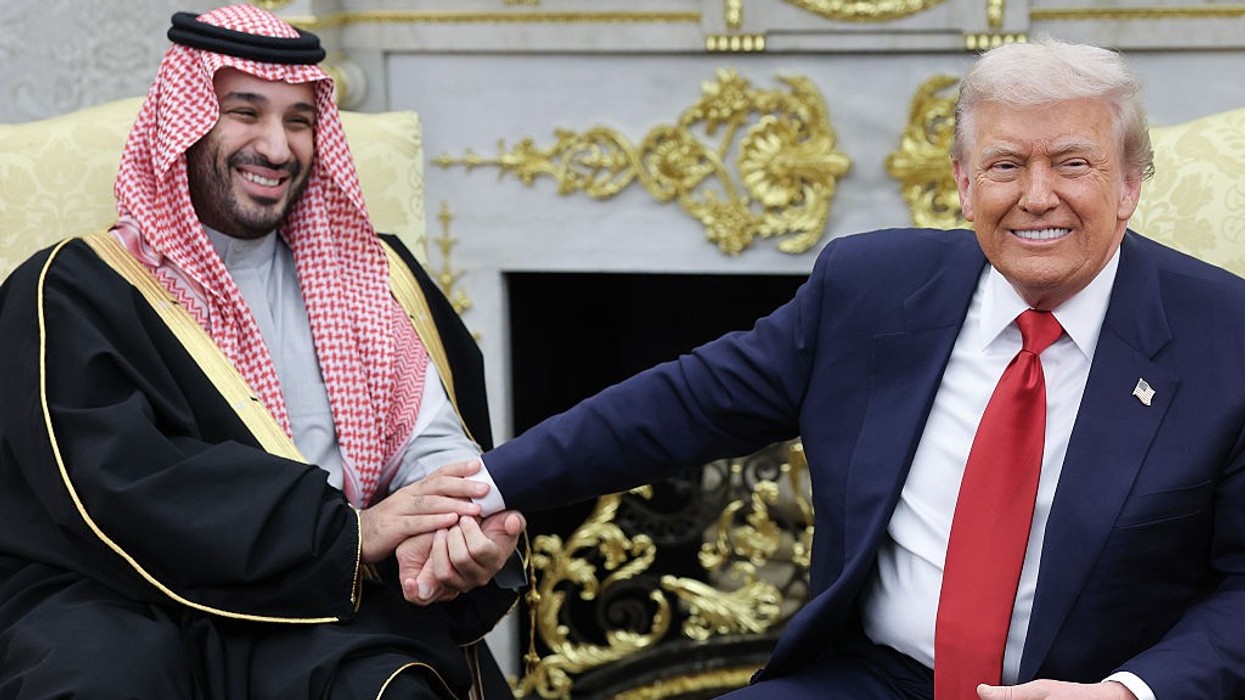
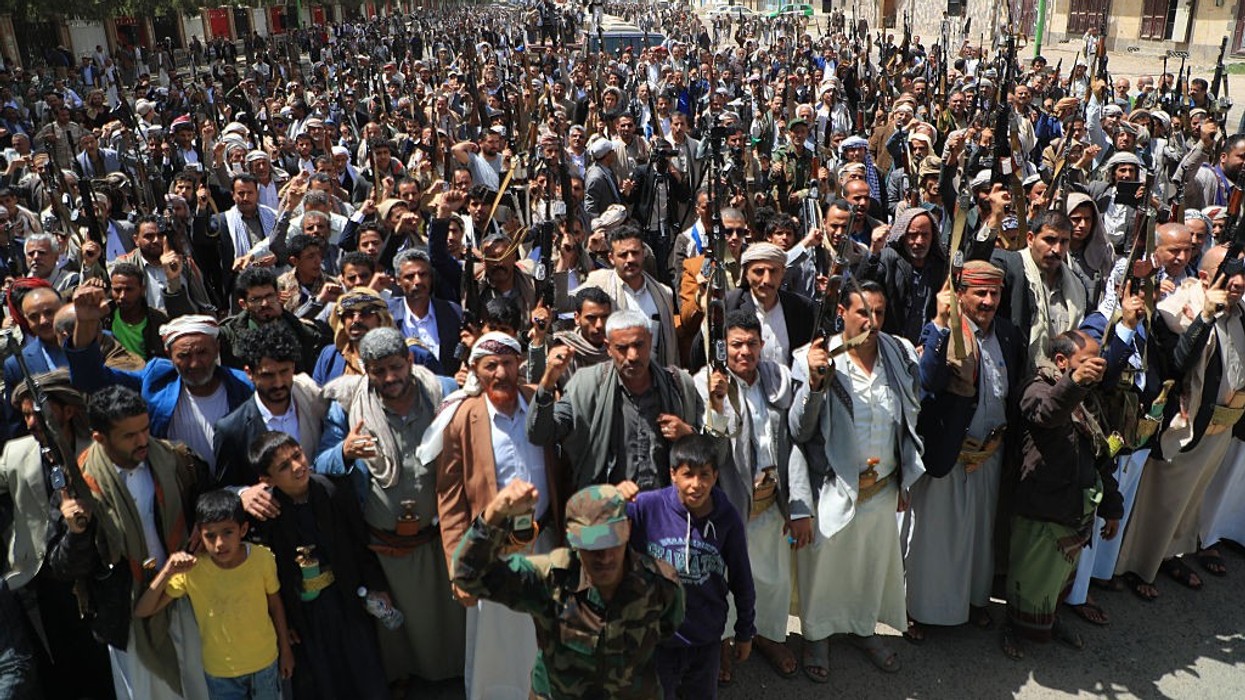
The missile attempt follows a sharp escalation in hostilities. On Friday, President Trump vowed "major military punishment" for both Iran and its Houthi allies in Yemen, after the Houthis claimed they had struck two Saudi oil tankers in the Red Sea on Thursday. The Houthis, who control northern and western Yemen, have since declared a naval blockade of Saudi Arabia. In response, Saudi Arabia has been rerouting millions of barrels of oil by pipeline to the Red Sea each day in order to bypass Iran's near-total blockade of the Strait of Hormuz.
A Saudi-led coalition fighting the Houthis in Yemen said it struck several Houthi military sites in recent days following the tanker attacks. Meanwhile, US forces launched airstrikes on Iran late Thursday (23) into early Friday (24) the 13th consecutive night of such attacks, though no new US strikes were reported Saturday (25).
The renewed fighting comes two weeks after the collapse of an interim truce that had been intended to end the war. Iranian armed forces responded by firing on US bases in neighboring Arab countries on Friday and warned they could target non-military buildings used by US personnel.
Trump has floated widening the scope of U.S. attacks to include Iran's energy plants and bridges, sending ground forces to seize the oil hub of Kharg Island, and striking a deep underground nuclear-linked facility known as Pickaxe Mountain. Still, he said Friday that no final decision on new major strikes had been made.
"We are talking to them," Trump told reporters at the White House. "I think they're being serious. I think ... they are being by far the most serious that we've seen them, but that doesn't mean we get there."
Asked about a possible exit strategy, Trump said: "There's a military exit where we just keep going just the way we are, and we can even make it a heavier dose, and it's knocking out everything they have. Or there's a smarter strategy that you make a deal." He added: "We're locked and loaded. We're ready to go."
The war has stoked global inflation and pushed Brent crude to $100 a barrel this week for the first time since May. Amid the turmoil, Pakistan is reportedly working to revive stalled U.S.-Iran talks, following a push from China, with Iran's interior minister making his second visit to Islamabad in ten days.