Nepal has asked India to halt its recruitment of Gurkhas into the Indian army under a new scheme for shorter military contracts until it was clear what would happen to them when they retired, an aide to the prime minister said on Monday (29).
An agreement between London, New Delhi and Kathmandu after India's independence from colonial rule in 1947 allowed India and Britain to continue to recruit Gurkhas, who have served in the British army since 1815 under a deal struck with the British East India Company.
Tens of thousands of Gurkhas now serve in the Indian army, including in counterinsurgency operations in the Himalayan territory of Kashmir and the northeastern states.
In June, India unveiled a recruitment policy called Agnipath, or "path of fire", aimed at enlisting young men into the military on short four-year contracts to lower the average age of its 1.38 million-strong armed forces. read more
Gurkha soldiers have historically served for much longer terms in both the Indian and British armies.
Nepali prime minister Sher Bahadur Deuba's foreign affairs advisor, Arun Subedi, said the recruitment of Gurkhas would be "withheld for the time being" as political parties in Nepal discussed the future of the Gurkhas after their retirement.
"Nepal wants to be clear whether the Agnipath scheme will apply for the recruitment of Nepali nationals... and about their fate after retirement at the end of four years of service," Subedi told Reuters.
Last week, Indian foreign ministry spokesperson Arindam Bagchi said India had been recruiting Gurkha soldiers to the Indian army for a long time and looked forward to continuing to recruit them under the new scheme.
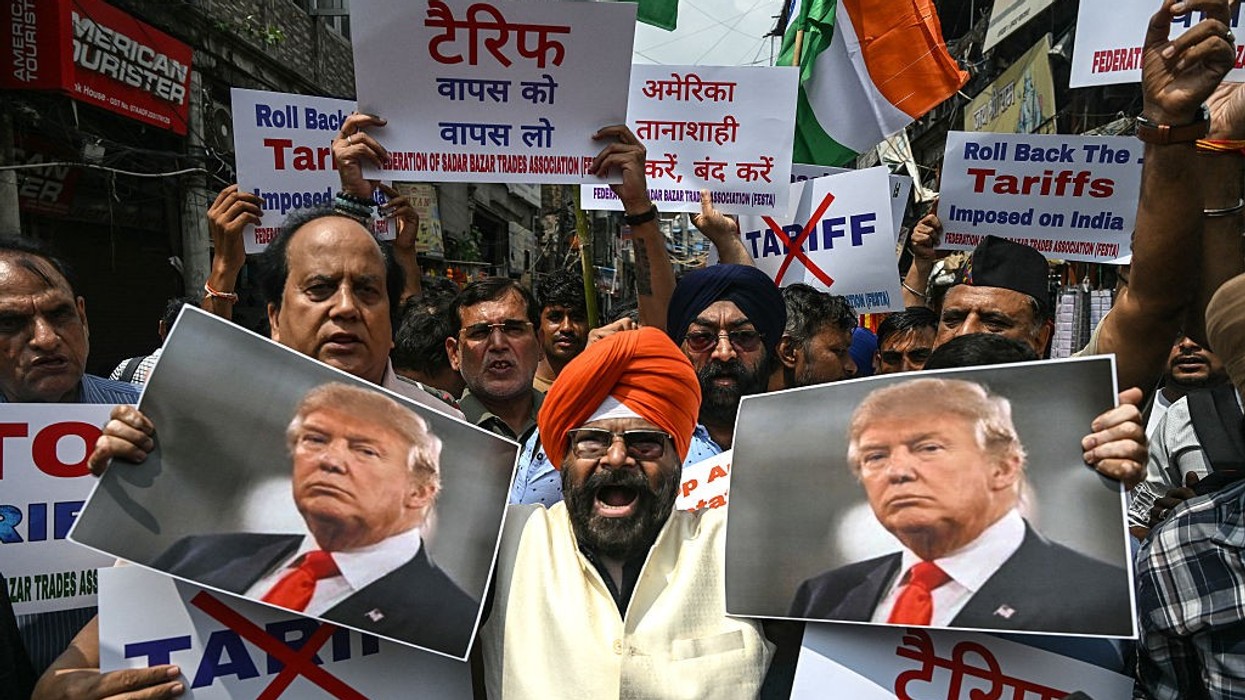
Violent protests erupted in India in June following the announcement of scheme, as thousands of young men attacked train coaches and burned tyres. They said the scheme would rob them of the opportunity of a permanent career in the military. read more