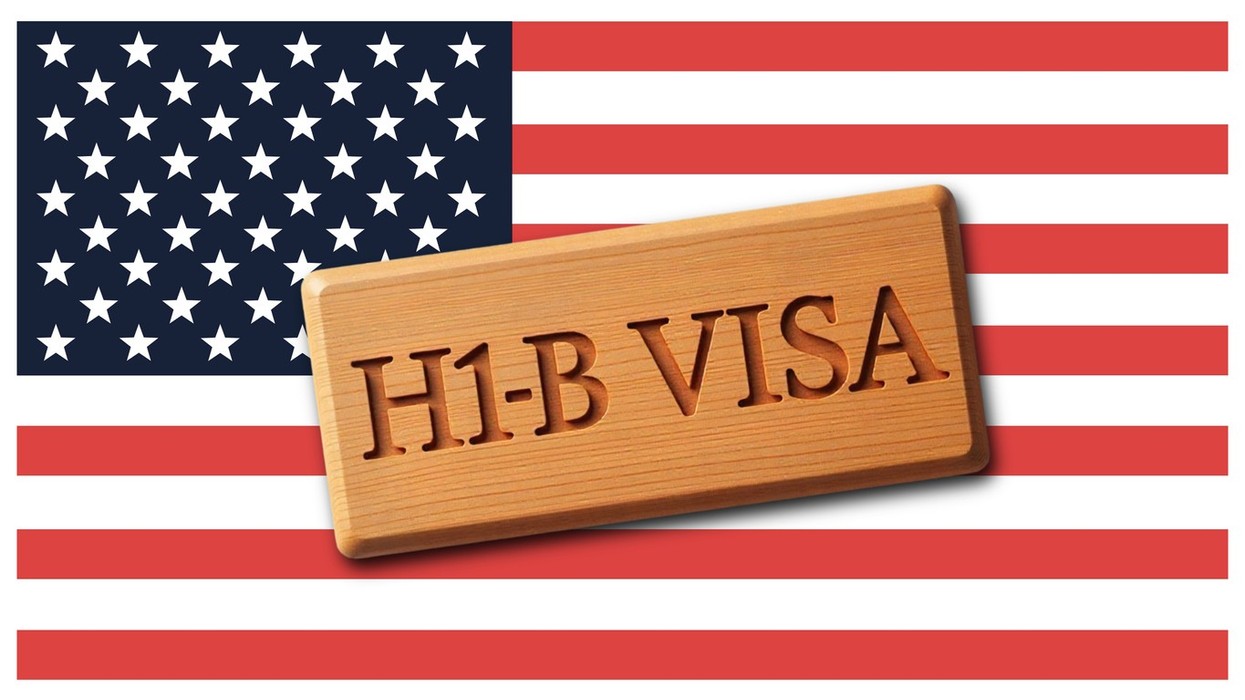

Highlights:
- DHS has proposed eliminating the 60-day grace period that lets H-1B holders find a new sponsor after losing a job.
- The rule would also affect E-1, E-2, L-1, O-1, TN, H-1B1 and E-3 visa categories.
- Top H-1B sponsors include Deloitte, PwC, Ernst & Young, TCS, Infosys, HCL Tech and LTIMindtree.
- Immigration lawyers warn the change would sharply compress the time HR teams have to manage layoffs of foreign workers.
- The proposal is open for a two-month public comment period before it can take effect.
THE Trump administration has proposed eliminating a 60-day grace period that allows certain immigrants, including skilled workers on H-1B visas, to stay in the US and find a new sponsor after losing their jobs, according to a government notice posted online on Thursday (10).
Under the planned rule change, published in the Federal Register by the US Department of Homeland Security (DHS), those with H-1B and certain other temporary work visas would have to leave the country as soon as their employment ends, a potential blow to top American tech companies that rely heavily on foreign workers.
The end of a safety net
It is the latest step by president Donald Trump to limit legal immigration since returning to office in January 2025. His administration has also introduced higher visa fees for skilled workers and recently paused immigrant visa appointments at US missions around the world while it implements a new training program.
Companies affected by the change could see some disruption, DHS wrote in its proposal, but it said the jobs could go to American workers instead. In some situations, immigrant workers who leave could potentially reapply if their employer petitions for them, it added.
"DHS presumes that they will either offer the same jobs to equally qualified US workers or go through the I-129 petition process depending on their workforce requirement," the notice said.
The 60-day grace period, in place since 2017, allows foreign workers to find another job or get their affairs in order, whether selling a home or pulling children out of school, before leaving the country.
Who would be affected
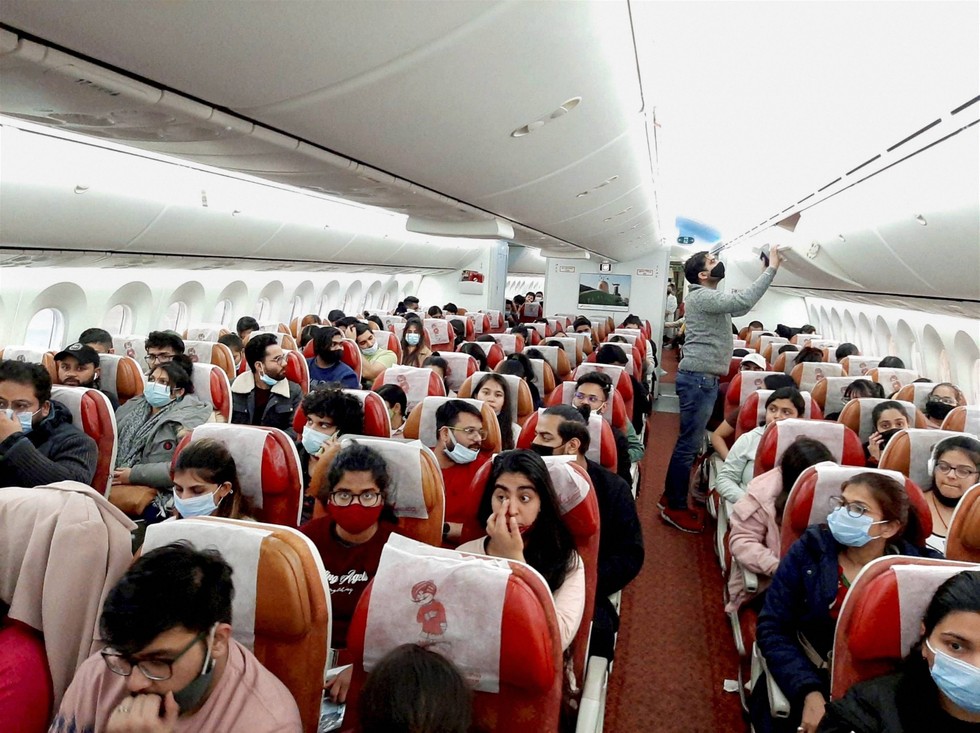
H-1B visas, established by Congress in 1990, are especially critical for tech companies seeking talent from India and China, allowing them to fill roles where there is sometimes a lack of qualified US workers.
Consultancy companies such as Deloitte, PwC and Ernst & Young, as well as outsourcing giants such as Tata Consultancy Services, Infosys, HCL Tech and LTIMindtree, are top H-1B sponsors.
If implemented, the change would also apply to E-1 international trader visa holders; E-2 commercial vehicle operator visa holders; L-1 short-term work visas for executives or managers with international companies; O-1 visas for people with "an extraordinary ability" in science, sports or the arts; and TN professional workers.
It would also affect H1B1 skilled worker visas from Singapore and Chile and E-3 specialty worker visa holders from Australia.
Industry pushback
Lawyers for Berardi Immigration Law, which specializes in business-related immigration issues, said the move would "sharply compress the timeline HR teams have to manage layoffs and offboarding for foreign nationals."
The rule is subject to a two-month public comment period before it can take effect.









 A visitor holds a baby at the Empty Sky 9/11 Memorial with One World Trade Center and Lower Manhattan in the distance on August 23, 2026 in Jersey City, New Jersey.Getty
 American flags and flowers line the memorial pool at the National September 11 Memorial to mark the 22nd anniversary of the 9/11 terror attack at the World Trade Center on September 11, 2023 in New York.Getty
 Balbir Singh Sodhi, a Sikh immigrant from India, was shot and killed outside the gas station he owned in Mesa, Arizona. .
 Muslim men pray during a Day of Remembrance open house at the Islamic Cultural Center of New York September 11, 2002 in New York City. Getty