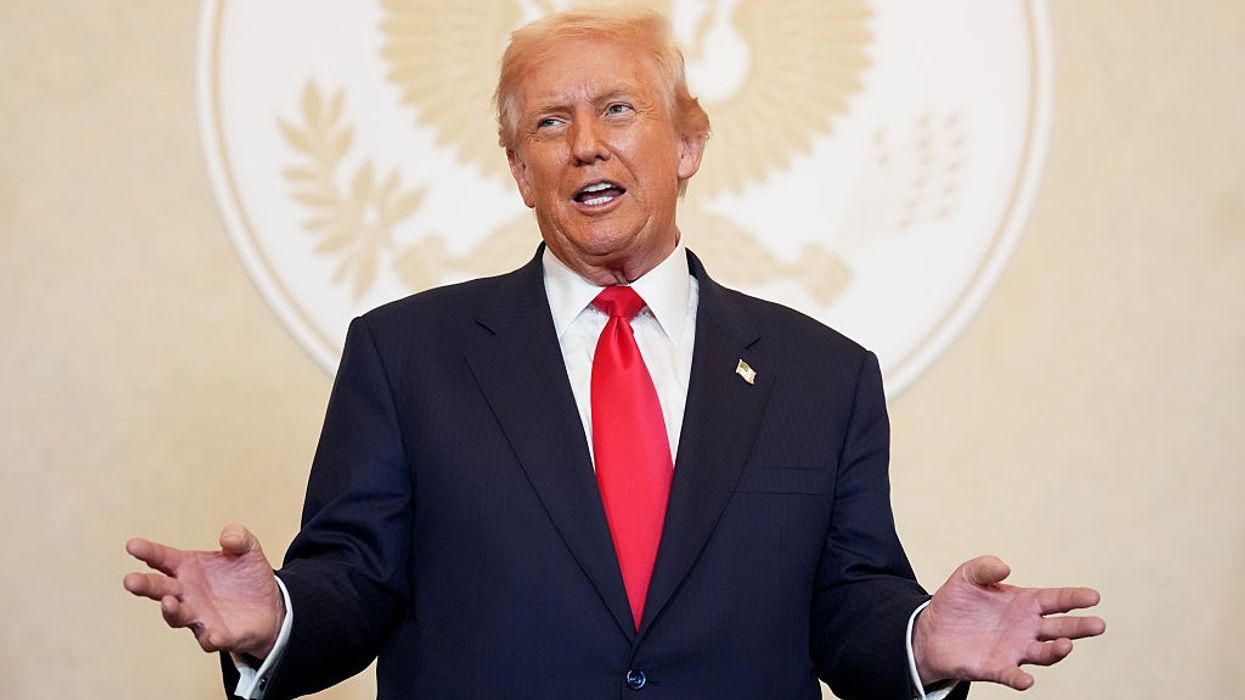

- US annual inflation rate in July, still above the Fed’s 2% target
- Current Fed interest-rate range
- US national debt, with higher borrowing costs adding to the pressure
The new head of the US central bank has warned that policymakers still have “work to do” if they are not confident that inflation is moving towards the Federal Reserve’s 2% target.
Fed chairman Kevin Warsh said recent inflation readings had looked better than expected over the summer, but did not show that the underlying picture had “meaningfully improved”.
His comments came during his first speech at the annual Jackson Hole Economic Policy Symposium in Wyoming, where central bankers, government officials and economists gather to discuss inflation, interest rates and the wider economy.
With US prices still rising faster than the Fed would like, Warsh said the central bank’s “predominant focus right now should be on prices”.
He added that policymakers must be confident that underlying inflation is moving towards their target “clearly and at sufficient speed”.
“Otherwise, we have work to do,” he said.
Why the inflation warning matters
US inflation rose 3.4% in the year to July, according to the latest figures, remaining well above the Fed’s 2% target.
That creates a difficult balancing act for the central bank.
Higher interest rates can help bring inflation down by making borrowing more expensive, encouraging households and businesses to spend less. But keeping rates high for too long can also weigh on economic growth and make borrowing more expensive for consumers.
Mortgage rates, car loans and credit card costs can all be affected by changes in borrowing costs.
At the same time, higher rates can benefit savers by increasing the returns available on some savings products.
The Fed has kept its benchmark interest rate at 3.5% to 3.75%, with the rate unchanged for five consecutive meetings.
Its next decision is scheduled for 15-16 September.
Investors were watching Warsh’s speech for clues about where interest rates could go next, but the new Fed chief was careful not to offer them.
He specifically asked listeners not to treat his comments as “forward guidance” on future interest-rate decisions.
Warsh criticised the practice of central banks giving markets increasingly detailed signals about their likely decisions, arguing that it had become too influential since the financial crisis.
He said excessive communication about future policy could lead markets, businesses and households astray and restrict the Fed’s ability to respond when economic conditions change.
That means investors may have to rely more heavily on incoming inflation, jobs and economic growth data rather than expecting the Fed to reveal its next move in advance.
Trump wants lower rates
Warsh’s approach could also put him at odds with President Donald Trump, who has repeatedly pushed for lower interest rates.
Trump appointed Warsh in May after putting pressure on his predecessor, Jerome Powell, to reduce borrowing costs.
But the Fed is expected to prioritise its inflation mandate when deciding whether rates should rise, fall or remain unchanged.
Higher oil prices linked to the ongoing US-Iran conflict have added another complication by increasing energy costs and putting pressure on inflation.
The impact extends beyond consumers. Higher yields on government bonds can raise borrowing costs for businesses and increase the amount the government has to pay to service its debt.
US national debt has now passed $40tn, having doubled over the past decade under the Trump and Joe Biden administrations.
The government has been exploring measures to reduce borrowing costs, including Treasury debt buybacks, but the impact on markets has so far been limited.
For American households, the immediate question is therefore not simply whether the Fed will cut rates.
It is whether inflation will fall far enough, and quickly enough, for policymakers to feel comfortable doing so.






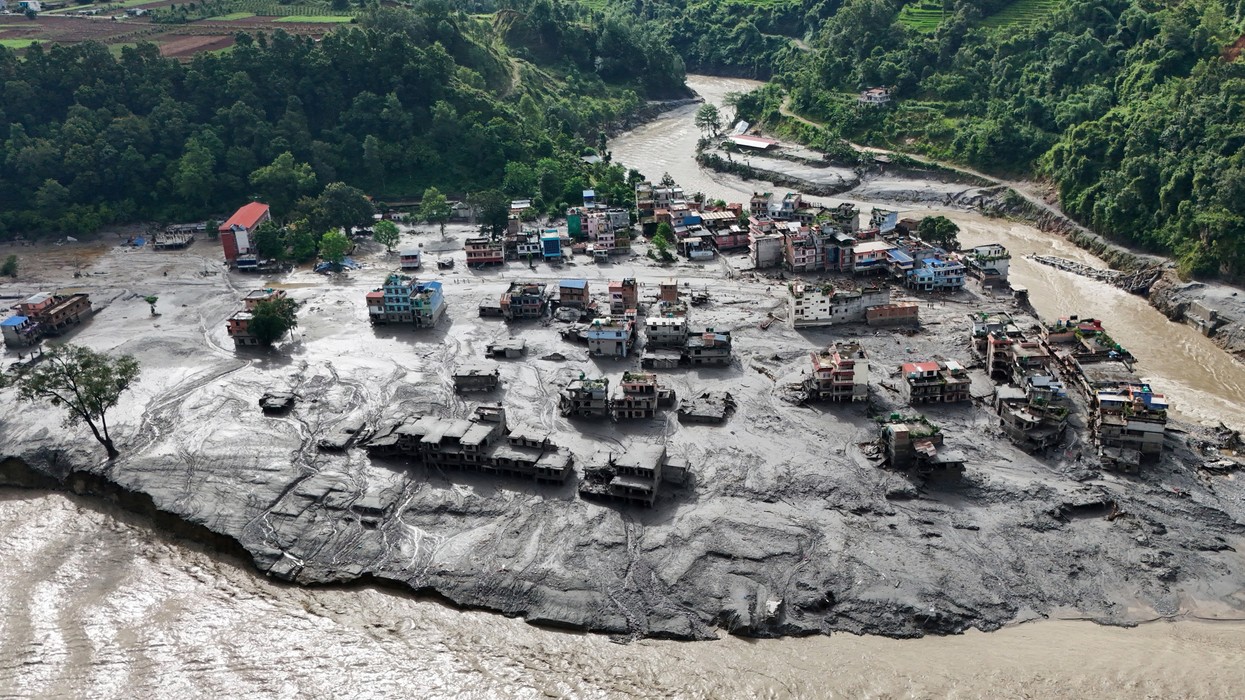
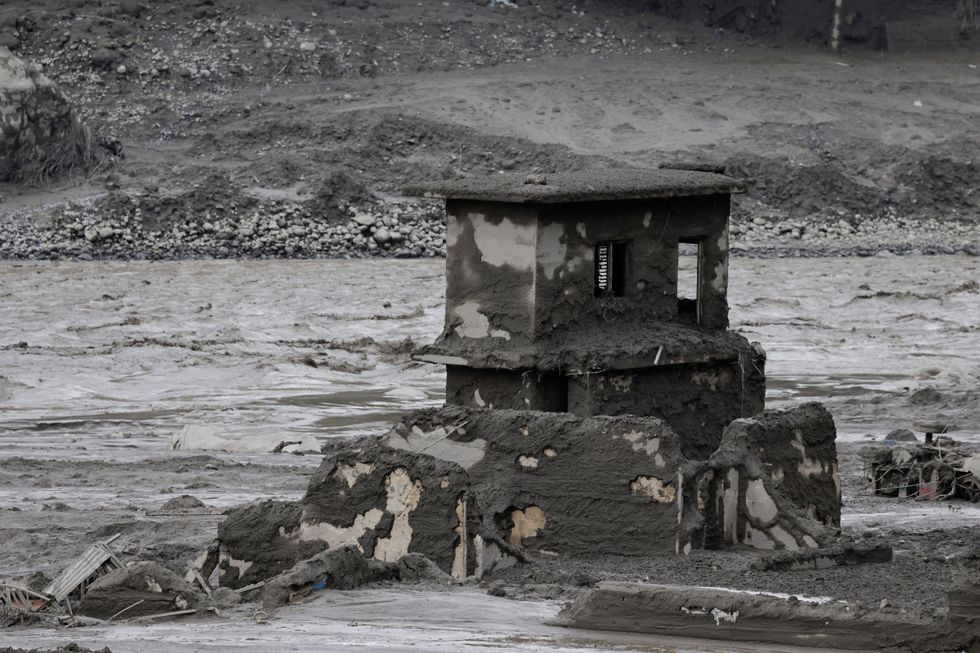 A mud-covered building following a flash flood at Trishuli in Nuwakot district, Nepal, August 26, 2026.Reuters.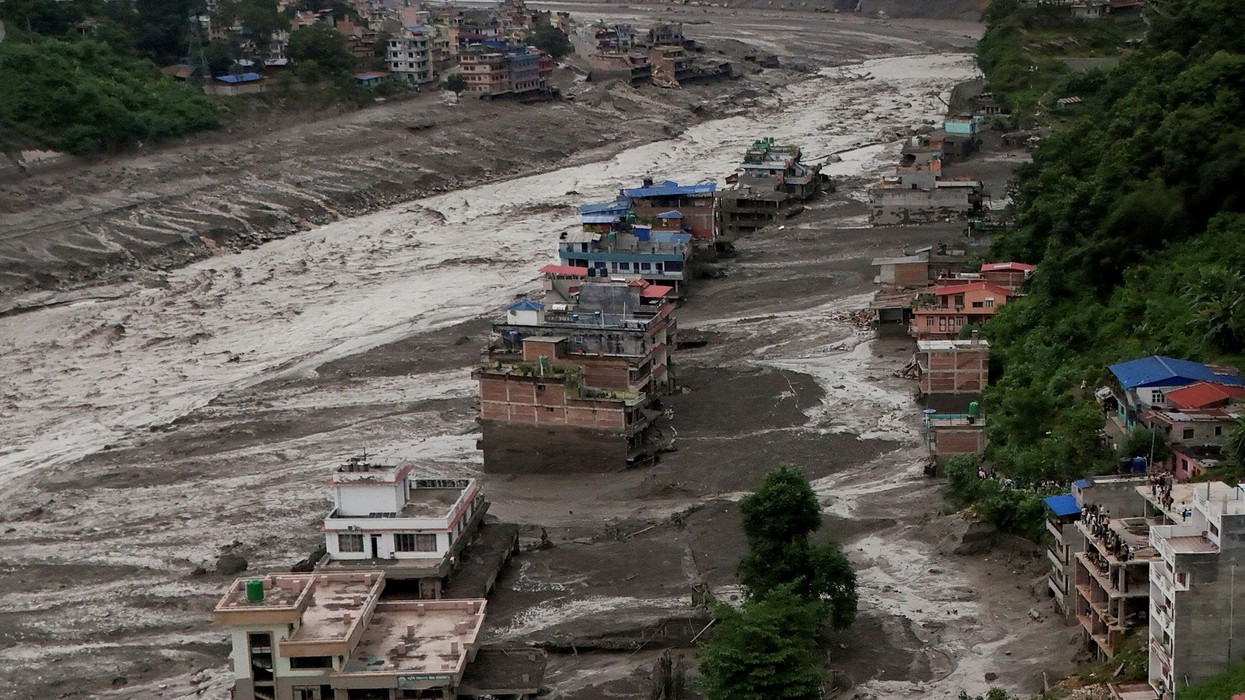
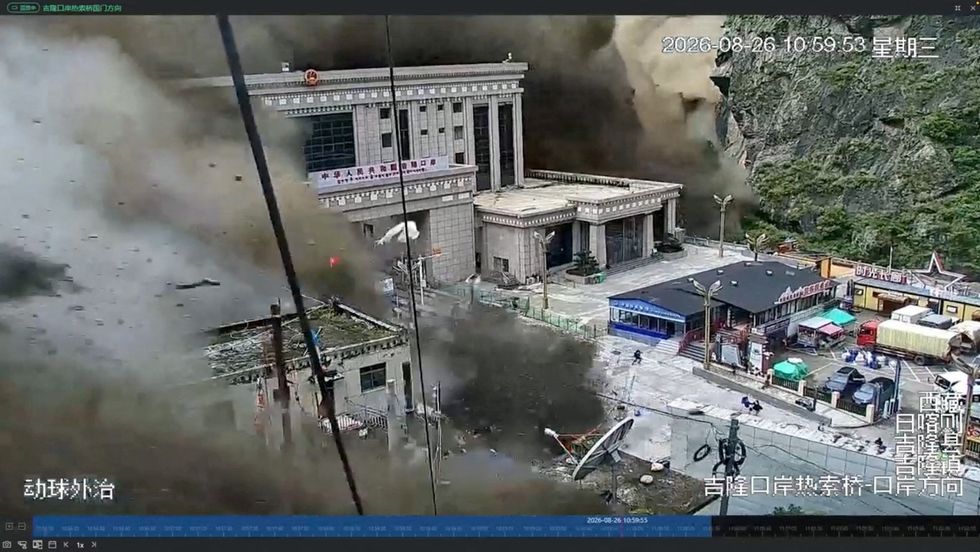 A CCTV footage shows people running away as wall of mud and water destroys buildings in a valley at Nepal-China border, in Gyirong, Tibet region, China August 26, 2026, in this screengrab obtained from a social media video.Reuters