
Highlights:
- US and Iranian forces exchanged fire in the Strait of Hormuz.
- CIA assessment said Iran could resist a blockade for around four months.
- The UAE reported missile and drone attacks from Iran.
- Washington is waiting for Iran’s response to a US peace proposal.
- The US announced new sanctions targeting Iran’s military network.
Efforts to reduce tensions between the United States and Iran appeared to weaken on Friday as both countries exchanged fire in the Gulf region. At the same time, a CIA assessment suggested that Iran could survive a US naval blockade for several months without facing major economic damage.
According to a US official familiar with the intelligence report, Iran would not face severe economic pressure from a blockade of its ports for nearly four months. The report suggested that Washington’s ability to pressure Tehran through economic restrictions may be more limited than expected.
The assessment was first reported by The Washington Post. It came during rising tensions in and around the Strait of Hormuz, where some of the heaviest clashes since the April 7 ceasefire have taken place this week.
The United Arab Emirates also faced fresh attacks on Friday. Officials said air defence systems intercepted two ballistic missiles and three drones launched from Iran. Authorities confirmed that three people suffered moderate injuries.
The United States is waiting for Iran’s response to a proposal aimed at formally ending the conflict before wider negotiations begin on issues including Iran’s nuclear programme.
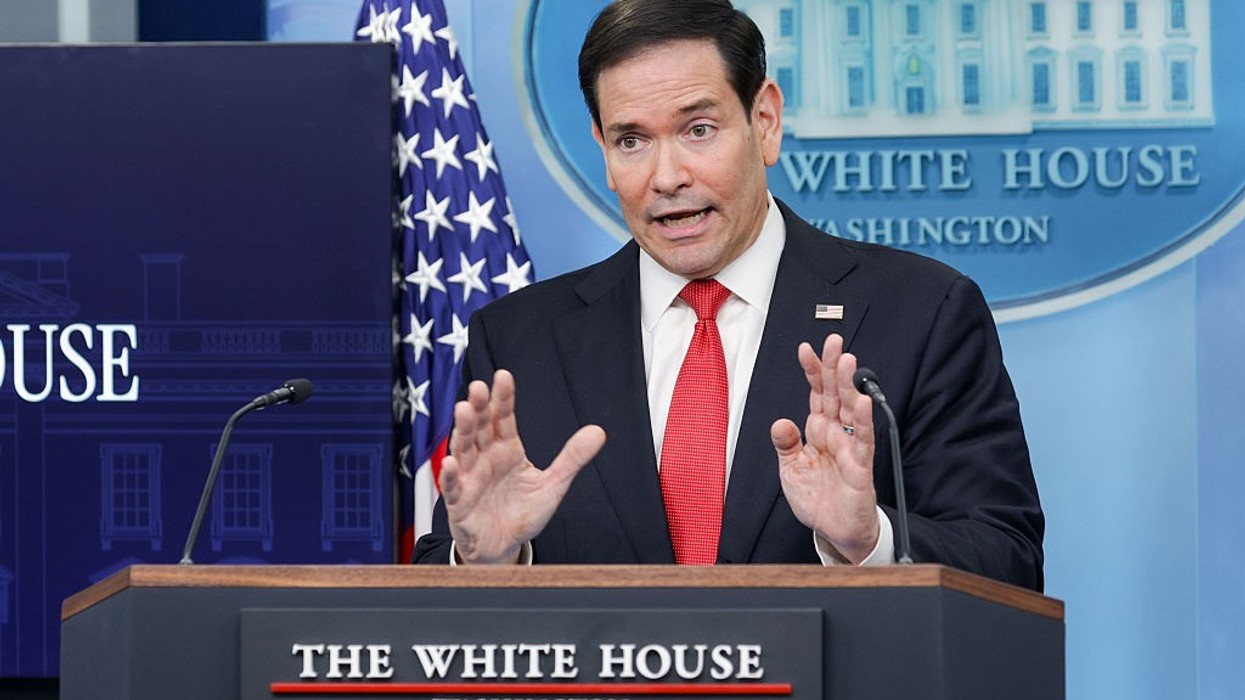
US Secretary of State Marco Rubio spoke about the expected response while talking to reporters in Rome.
“We should know something today,” Rubio said, according to Reuters. “We’re expecting a response from them.”
However, Iran’s foreign ministry later stated that Tehran was still considering its reply and had not announced any formal response by Friday evening (8).
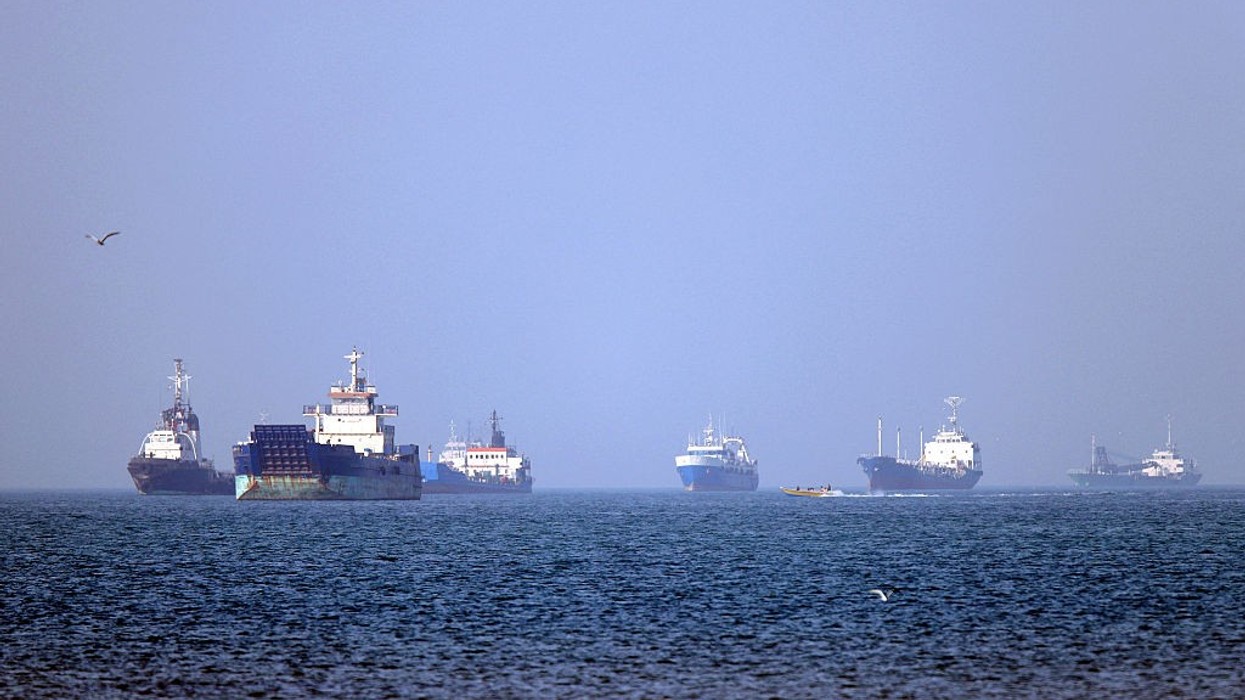
Iranian and US forces were involved in sporadic clashes in the Strait of Hormuz on Friday, according to Iran’s semi-official Fars news agency. Later, Tasnim news agency quoted an Iranian military source saying the situation had calmed, although more confrontations could still happen.
The US military said it targeted two vessels linked to Iran that were trying to enter an Iranian port. According to the military, a fighter jet struck the ships’ smokestacks and forced them to retreat.
Since the conflict began with joint US-Israeli airstrikes across Iran on February 28, Tehran has largely restricted non-Iranian shipping through the Strait of Hormuz. Last month, Washington imposed a blockade on Iranian vessels.
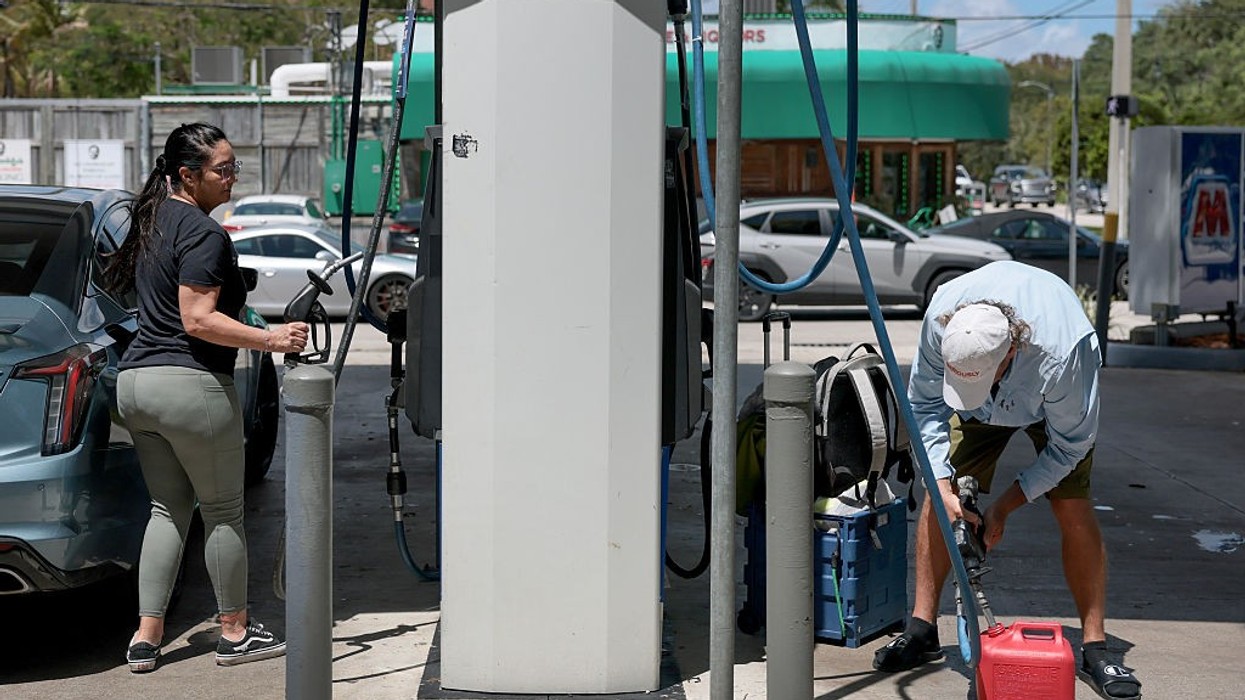
The renewed tensions affected oil markets. Brent crude futures rose above $101 a barrel, although prices remained more than 6 per cent lower for the week.
US President Donald Trump said on Thursday (7) that the ceasefire was still mostly holding despite recent clashes in the strait, which previously handled about one-fifth of global oil supplies.
Iran accused the United States of damaging ceasefire efforts through continued military action.
“Every time a diplomatic solution is on the table, the US opts for a reckless military adventure,” Iranian Foreign Minister Abbas Araqchi said on Friday.
Iran’s Mehr news agency reported that one crew member was killed, 10 others were wounded, and four remained missing after what it described as a US Navy attack on an Iranian commercial vessel late Thursday.
Rubio also criticised European countries for not strongly supporting US efforts to reopen the Strait of Hormuz.
“Are you going to normalise a country claiming to control an international waterway?” Rubio said. “Because if you normalise that, you’ve set a precedent that’s going to get repeated in a dozen other places.”
Alongside diplomatic efforts, the United States also expanded sanctions against Iran’s military-industrial network.
The US Treasury announced sanctions on 10 individuals and companies, including groups in China and Hong Kong. Officials accused them of helping Iran obtain weapons components and raw materials used to produce Shahed drones.
Treasury officials said Washington remained ready to take more economic action against Iran’s military network and against foreign companies helping Iranian trade, including airlines and financial institutions connected to China’s independent oil refineries.
The sanctions announcement came shortly before President Trump’s expected visit to China for talks with Chinese President Xi Jinping.