
- DHS used AI-generated imagery in posts targeting unlicensed commercial drivers.
- One post told “Mr Singh” to get off American roads.
- Advocacy groups called the messaging racist, discriminatory and anti-American.
- The Sikh Coalition said the campaign reinforces long-standing profiling of Sikhs.
- The posts are part of DHS’s broader self-deportation campaign.
The US Department of Homeland Security has sparked controversy with a social media campaign targeting unlicensed commercial drivers, after one advertisement singled out “Mr Singh” and featured imagery that critics said relied on racial and ethnic stereotypes.
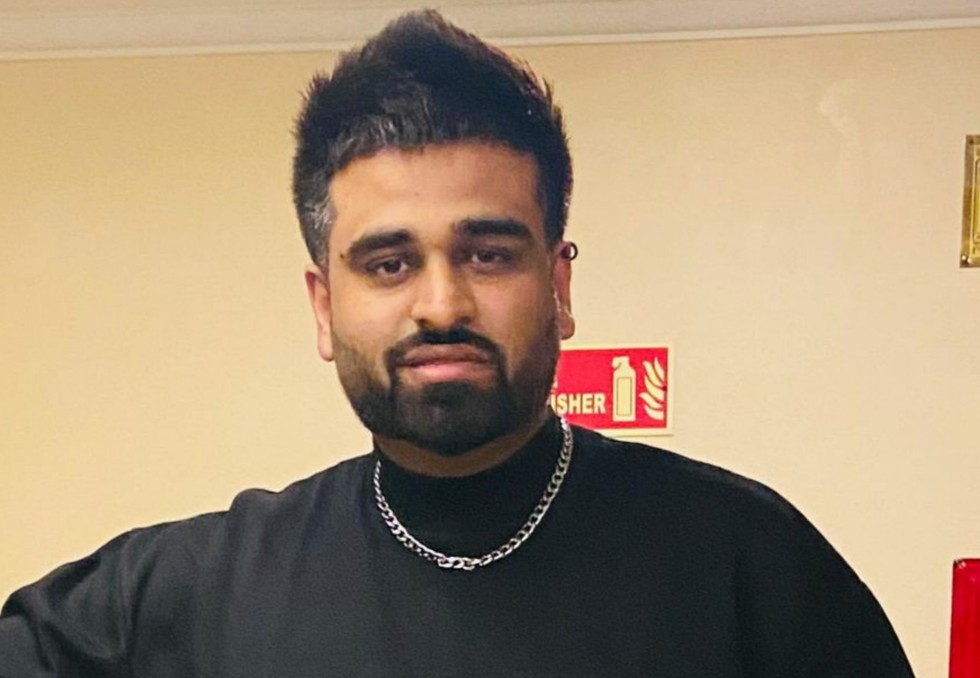
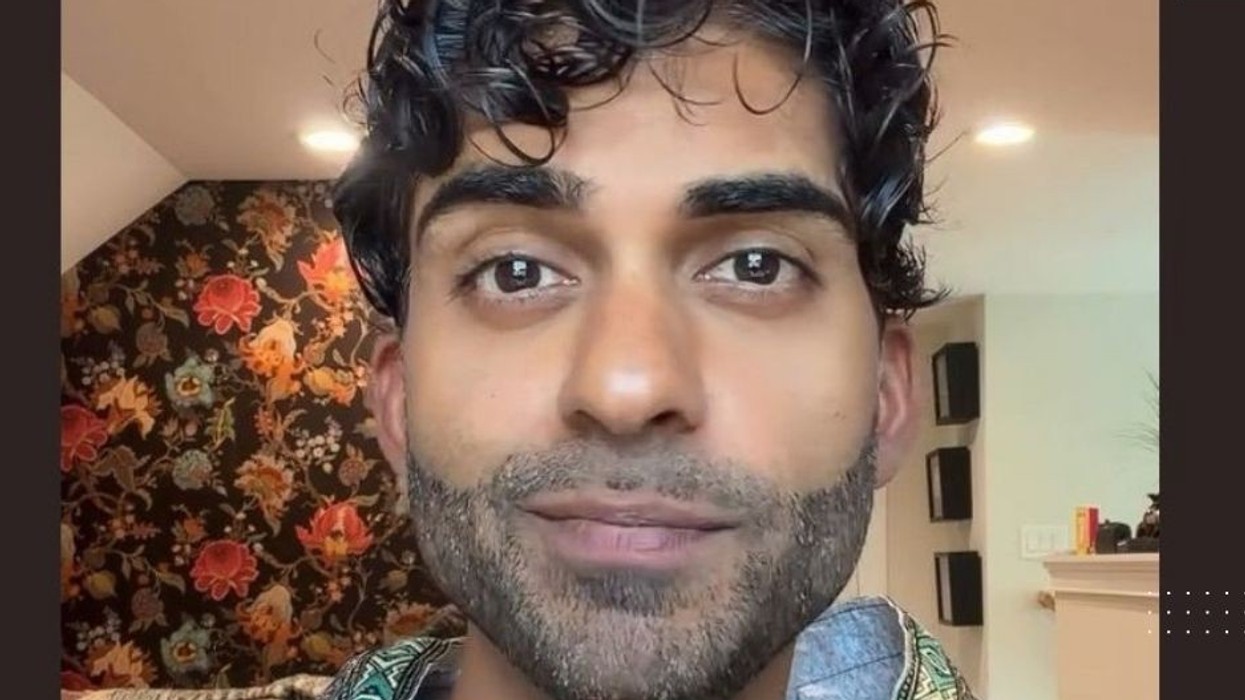
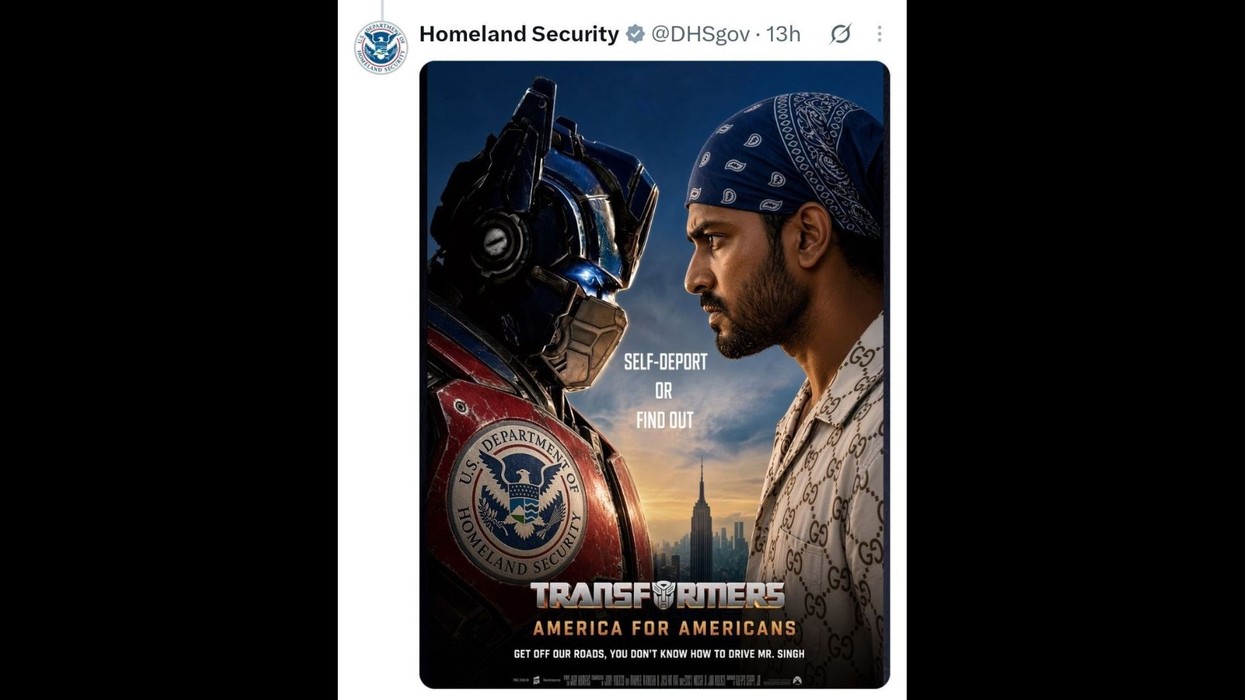
The DHS used AI-generated imagery on X as part of its campaign against unlicensed commercial drivers. One post featured a brown-bearded man alongside the message: “Get off our roads, you don't know how to drive Mr Singh.”
The campaign also included a short video featuring Megatron, the antagonist from the Transformers franchise, negotiating for the release of several truck drivers, including Harjinder Singh, Rajinder Kumar, Bekzhan Beishekeev, Akhror Bozorov and Jasveer Singh. The individuals were cited by DHS in connection with road accidents and other crimes.
Another post featured Optimus Prime, the franchise’s protagonist, wearing a DHS arm patch and confronting the brown-bearded character with the message: “Self-deport or find out.”
DHS defends its message
The posts were framed as part of a broader DHS message about enforcement and national security.
“If you approach this nation with hostile intent, know this. We will defend ourselves. We will defend Americanism. We will defend our home,” DHS said in a post on X.
The campaign has drawn particular attention because of its use of the surname Singh, which is widely used by Sikh and Hindu communities, including millions of Americans.
Advocacy organizations argued that using the name as part of a message about dangerous or unlicensed drivers creates an association between a particular ethnic or religious identity and criminal behavior.
The controversy comes as the administration continues its broader immigration enforcement efforts, including a campaign encouraging eligible undocumented migrants to voluntarily leave the United States.
Advocacy groups call out the messaging
The Hindu American Foundation was among the groups to criticize the advertisement.
“Singhs are Hindu, they are Sikhs, they are American and they drive. Racist, un-American, anti-Indian profiling/trolling by @DHSgov should shock our nation's collective conscience,” the organization said on X.
The group called the post discriminatory and said it welcomed an investigation, tagging Assistant Attorney General Harmeet K Dhillon and FBI Director Kash Patel.
The Coalition of Hindus of North America also criticized the campaign.
“Enforce the law. Do not caricature a people. @DHSgov Dangerous drivers come from all backgrounds, ethnicities, faiths and last names,” the organization said.
“Singling out SOME last names does nothing for safe streets, but it does endanger the safety of hundreds of thousands of Americans with names like Singh and Kumar,” it added.
The Sikh Coalition similarly condemned the imagery and said it reflected a much longer history of discrimination against Sikh Americans.
Sikh coalition points to history of profiling
“Twenty-five years after 9/11, Sikhs are still being targeted and profiled for how we look,” the Sikh Coalition said in a post on X.
“Millions of Sikhs in the United States have the last name Singh, which means lion. We remain fearless in identifying as Sikhs – even when our government portrays us as enemies,” the organization said.
The dispute comes as DHS promotes its CBP Home program, which allows eligible undocumented migrants to register their intention to voluntarily leave the United States.
Under the program, people who register for self-deportation can receive travel assistance as well as an exit bonus of $2,600, according to DHS.
The controversy over the “Mr Singh” advertisement has now added another dimension to that campaign, with advocacy groups arguing that immigration enforcement messaging can be carried out without associating particular names, appearances or communities with criminality or threats to the country.