Highlights:
- Former US Deputy Secretary of State Strobe Talbott died at 80 after a prolonged illness.
- Talbott and former Indian external affairs minister Jaswant Singh held 14 meetings across seven countries and three continents after the 1998 Pokhran-II nuclear tests.
- Their diplomatic engagement helped pave the way for President Bill Clinton's historic 2000 visit to India.
- Talbott acknowledged that Singh achieved more of his objectives during the negotiations than he did.
- He later served as president of the Brookings Institution from 2002 to 2017.
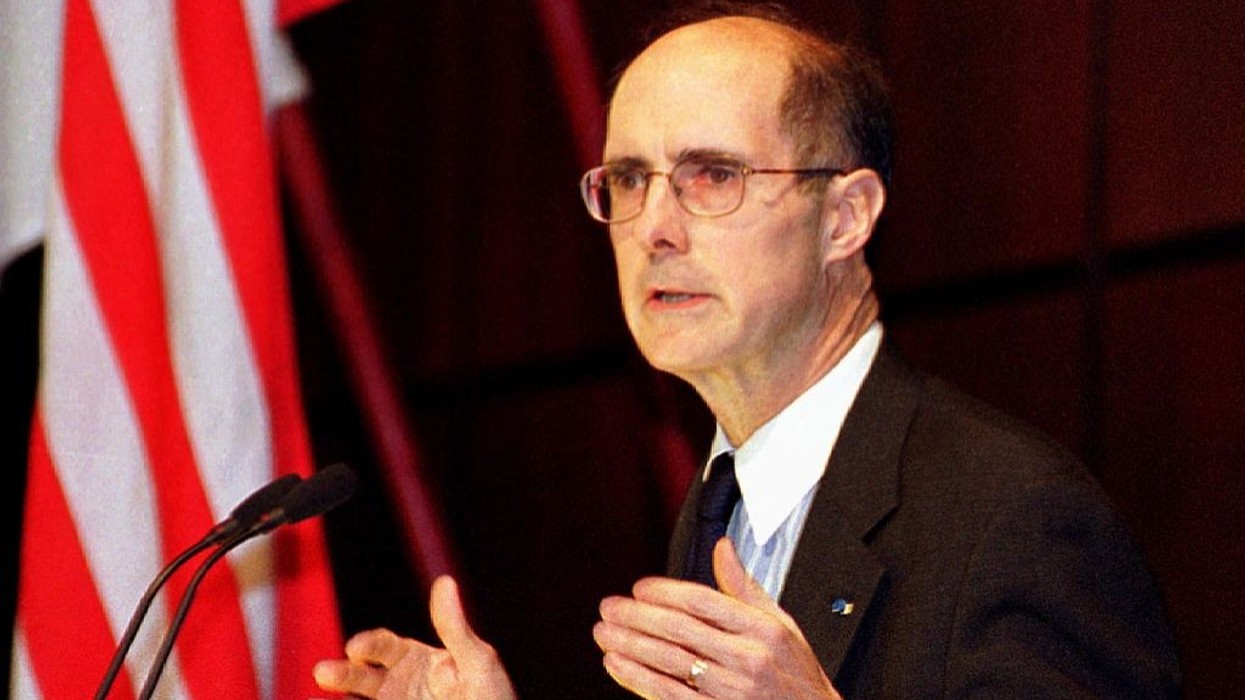
Strobe Talbott, the former US diplomat credited with playing a crucial role in rebuilding India-US relations following India's 1998 Pokhran-II nuclear tests, has died at the age of 80.
Talbott, who served as deputy secretary of state under former US President Bill Clinton, died at his home in East Hampton, New York, on Thursday after a prolonged illness, his son Devin Talbott confirmed.
He was among the key figures who helped bridge the diplomatic divide between Washington and New Delhi after India conducted five nuclear tests on May 11 and May 13, 1998. The tests caught the Clinton administration off guard, prompting the United States to impose sanctions on India and creating a major strain in relations between the two countries.
Talbott, alongside India's then External Affairs Minister Jaswant Singh, led an intensive diplomatic effort to bring the two democracies closer. Their discussions over the following two years became an important turning point in the relationship.
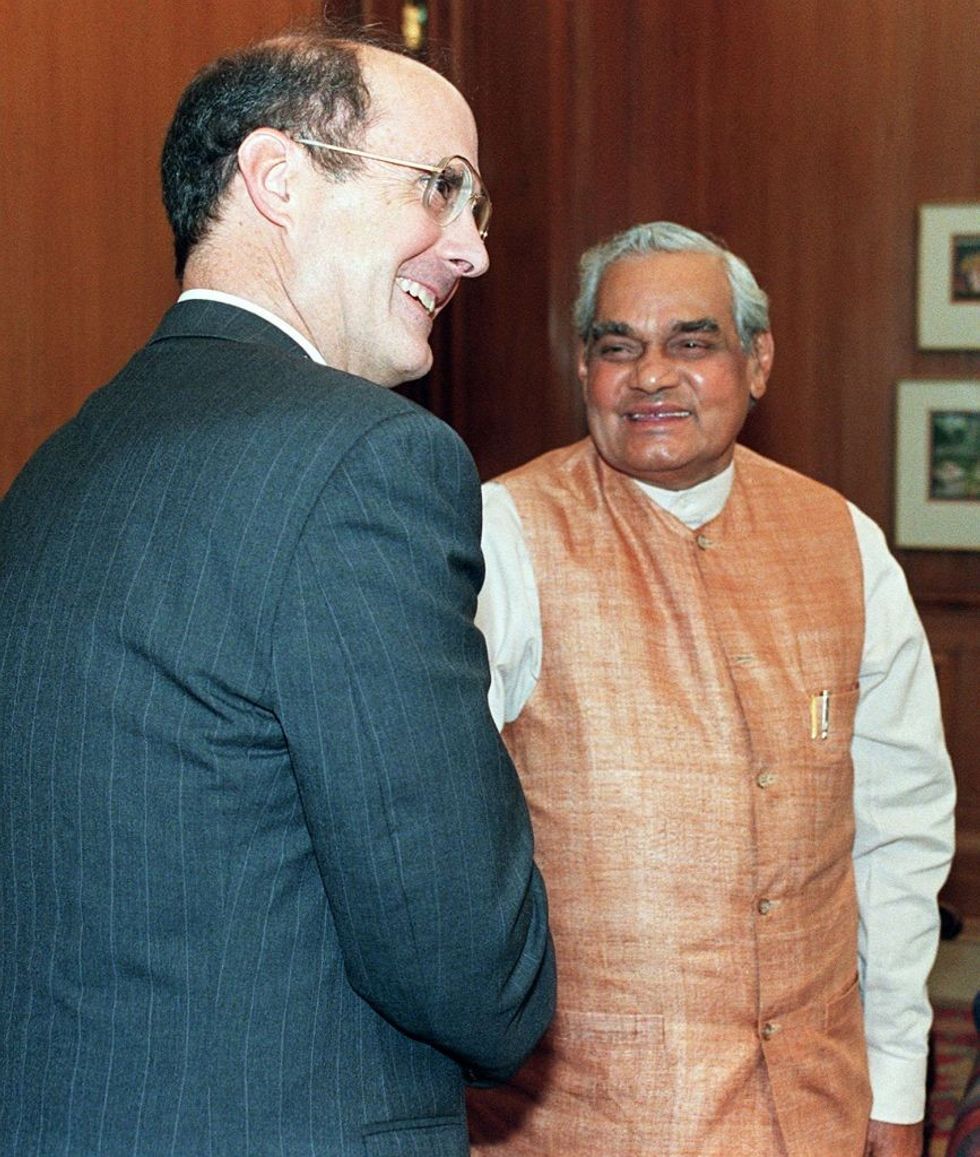 US deputy Secretary of State Strobe Talbott (L) and Indian Prime Minister Atal Behari Vajpayee share a laugh as they shake hands for photographers at the Prime Minister's Office 20 July. Talbott, currently holding talks concerning India's recent nuclear tests, payed a courtesy call to Vajpayee during his two-day visit. Getty Images
14 meetings that changed diplomatic ties
The Talbott-Singh dialogue involved 14 meetings across seven countries on three continents. The discussions helped ease tensions and laid the groundwork for Clinton's historic visit to India in 2000.
It was the first visit by a US president to India in 22 years and marked a significant step toward ending decades of diplomatic estrangement between the world's two largest democracies.
The talks also helped establish the foundation for a future civil nuclear agreement between India and the United States, eventually opening the way for deeper cooperation in the nuclear and strategic sectors.
During the negotiations, Talbott presented five key benchmarks for India: signing the Comprehensive Nuclear-Test-Ban Treaty (CTBT), halting fissile material production, exercising restraint in deploying missiles and nuclear warheads, tightening export controls, and resuming dialogue with Pakistan.
Talbott wanted a specific timeline for achieving substantial progress. However, Singh managed to steer the discussions away from these demands without damaging the diplomatic engagement.
Talbott acknowledged Jaswant Singh's negotiating success
Talbott later reflected on the negotiations in his book, Engaging India: Diplomacy, Democracy and the Bomb, offering an assessment of India's approach to the diplomatic standoff.
“By weathering the storm of US disapproval — by outlasting and outtalking the Americans in the marathon of diplomacy spurred by the test, in short, by not compromising — the Indians would prove their resolve and their resilience, thereby giving a boost to their national self-esteem and self-confidence,” he wrote.
He also acknowledged that Singh had achieved more of his objectives during the negotiations.
“As one of the architects of the Indian strategy, Jaswant Singh came closer to achieving his objective in the dialogue than I did to achieving mine,” Talbott wrote.
His assessment reflected the difficult balance between Washington's efforts to limit India's nuclear ambitions and New Delhi's determination to defend its strategic autonomy.
From journalism to diplomacy
Born in Dayton, Ohio, in 1946, Talbott began his career as a journalist at Time magazine, where he covered Soviet-American relations. He later served as the publication's Washington bureau chief and foreign affairs columnist.
He joined the US State Department in 1994 and quickly rose to become deputy secretary of state during the Clinton administration. In that position, he helped shape Washington's policy toward Russia and other countries that emerged following the dissolution of the Soviet Union.
After leaving government service, Talbott became president of the Brookings Institution in 2002, a position he held until 2017. During that period, he also chaired the US State Department's Foreign Affairs Policy Board.
His diplomatic engagement with India remains one of the defining episodes of his career, particularly for its role in transforming a period of intense disagreement into a foundation for closer strategic cooperation between Washington and New Delhi.






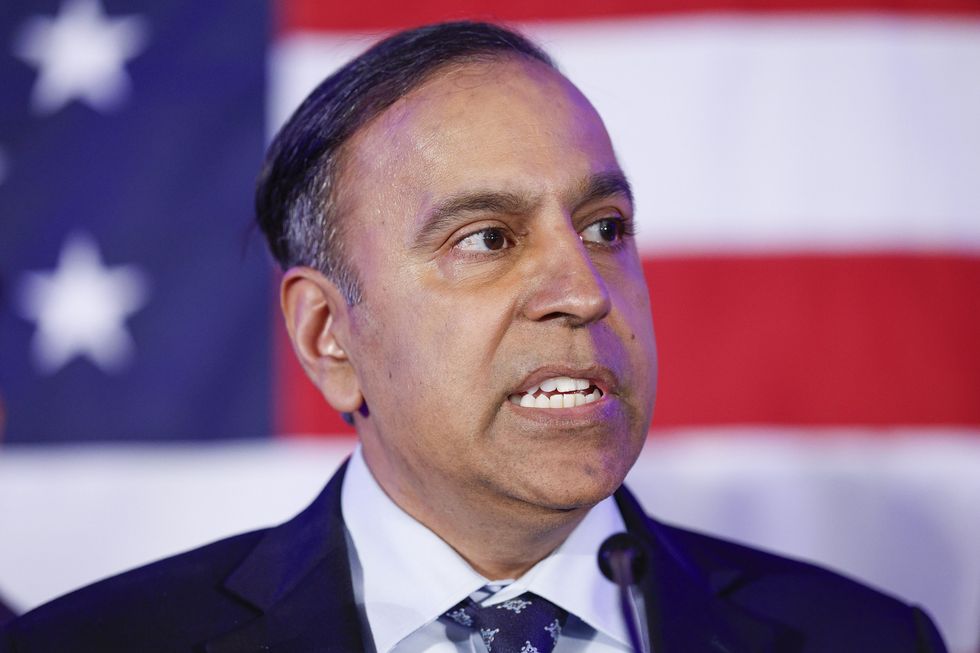 Raja Krishnamoorthi Getty Images
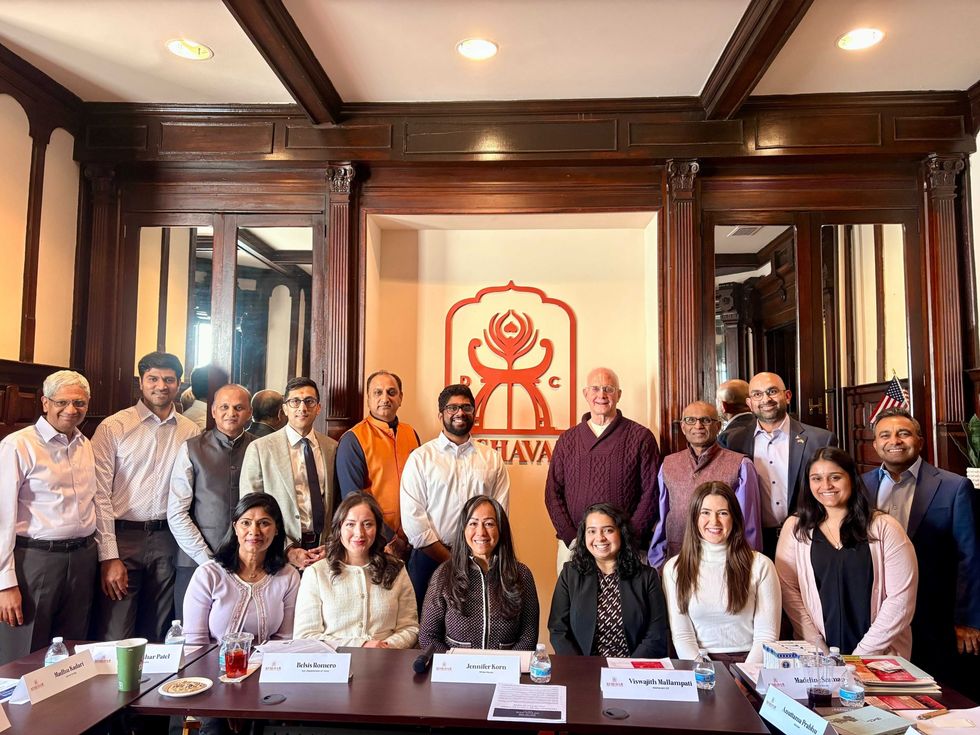 White House officials visit Keshavam, a Hindu temple in Washington, on Wednesday (18) X/ @HinduAmerican
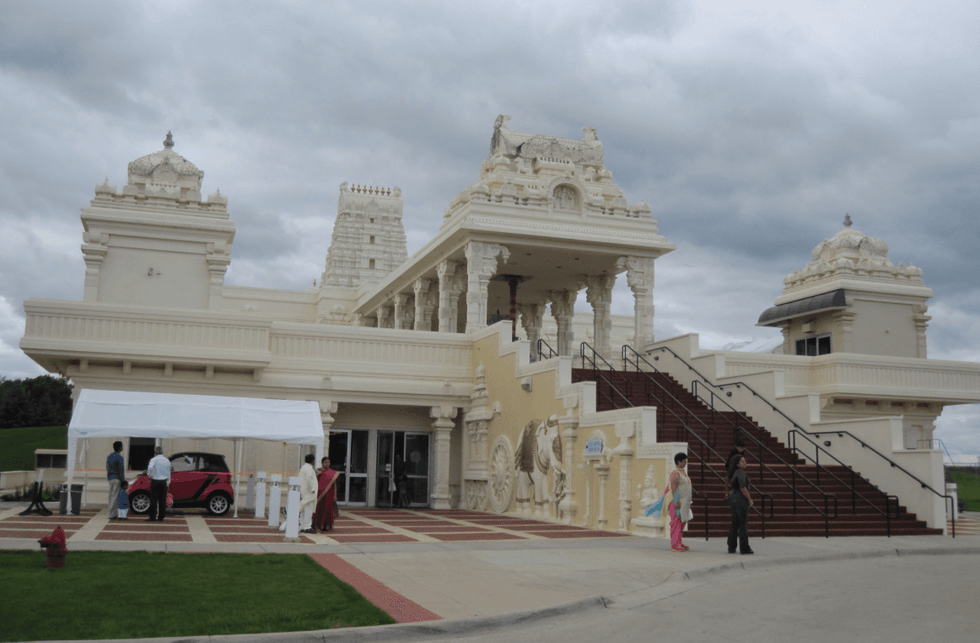 Sri Venkateswara Swami (Balaji) Hindu temple in Aurora, IllinoisWikimedia Commons