
Highlights:
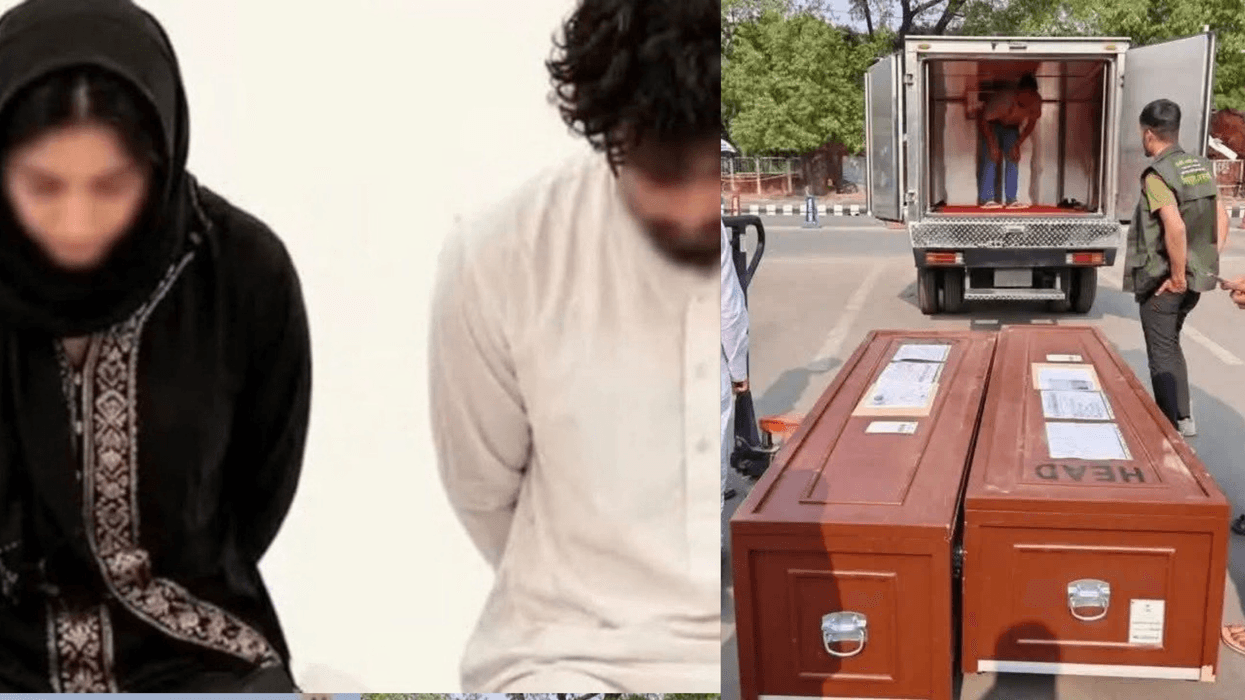
Saudi Arabia executed two Bangladeshi nationals last Wednesday after they were convicted of committing an “indecent act” inside a mosque, according to the Saudi Interior Ministry. Authorities have not disclosed the specific nature of the offense, leaving Bangladesh seeking further information about the case and the legal proceedings that led to the executions.
The Bangladeshi government has contacted Saudi authorities for clarification, including details of the alleged act and the circumstances surrounding the death sentences.
The executions have raised public concern in Bangladesh, where millions of citizens live and work in Saudi Arabia, many in low-paying jobs.
Bangladesh seeks details from Saudi Arabia
Shama Obaed Islam, Bangladesh’s state minister for foreign affairs, said Dhaka had reached out to the Saudi government to obtain information about the offense and the legal process followed in the case.
She said the government would consider its next steps, including the possible repatriation of the bodies, after receiving a response from Saudi officials.
Islam added that Bangladesh remained committed to protecting the welfare and interests of its citizens living and working overseas.
According to the Saudi Interior Ministry, the two Bangladeshis were convicted and sentenced to death under “tazir,” a category of punishment in Islamic law that allows judges discretion in determining penalties.
The ministry said the sentences were imposed because of the severity of the offense and the violation of the mosque’s “sanctity.” However, it did not provide further details about what the two individuals were accused of doing.
The Daily Star reported that the two were included on a list of prisoners Saudi Arabia had shared with Bangladesh following a request from the Bangladesh Consulate General in Jeddah. The list, however, did not indicate that either person had been sentenced to death.
Concern over Bangladeshis abroad
Bangladesh and Saudi Arabia maintain close religious and economic ties. More than three million Bangladeshis live and work in the kingdom, making the safety and legal treatment of Bangladeshi nationals abroad a significant concern for Dhaka.
The lack of publicly available details about the alleged offense and the legal proceedings has added to concerns surrounding the case.
The executions also highlight the wider issue of foreign nationals facing capital punishment in Saudi Arabia.
Saudi Arabia’s use of the death penalty
According to Amnesty International, Saudi Arabia has executed around 100 people this year, many of them foreign nationals convicted of drug-related offenses.
The kingdom has previously carried out executions involving Bangladeshi nationals. In 2011, eight Bangladeshi men were publicly executed in Riyadh after being found guilty of killing an Egyptian man.
More recently, Saudi authorities overturned the death sentence of a Sri Lankan man who had been convicted of blasphemy over a comment he made on Facebook. The decision followed public outrage in Sri Lanka and diplomatic efforts seeking clemency.
What happens next?
Bangladesh is awaiting further information from Saudi authorities before deciding how to proceed, including whether to seek the repatriation of the executed nationals’ bodies.
For now, the Saudi government has not publicly specified the nature of the act that led to the convictions. The case has renewed attention on capital punishment in the kingdom and the challenges faced by countries seeking information and assistance when their citizens are involved in serious legal cases overseas.