
Highlights:
Artificial intelligence is moving further into film-making, raising a pressing question for Hollywood: could computer-generated performers eventually replace human actors, or will the technology remain a tool to support their work?
Recent developments have brought the debate into sharper focus. An AI-generated version of the late actor Val Kilmer appears in the upcoming western As Deep as the Grave, with approval from his family, while synthetic performer Tilly Norwood is preparing for her feature-film debut in Misaligned.
The developments have prompted concerns among performers and film-makers about the future of acting, creative ownership and the place of human emotion on screen. Although AI-generated films are becoming more sophisticated, industry experts say significant challenges remain.
- YouTube youtu.be
AI actors are becoming more realistic
The technology has advanced considerably, with companies exploring ways to generate realistic faces, movements, dialogue and performances using AI models.
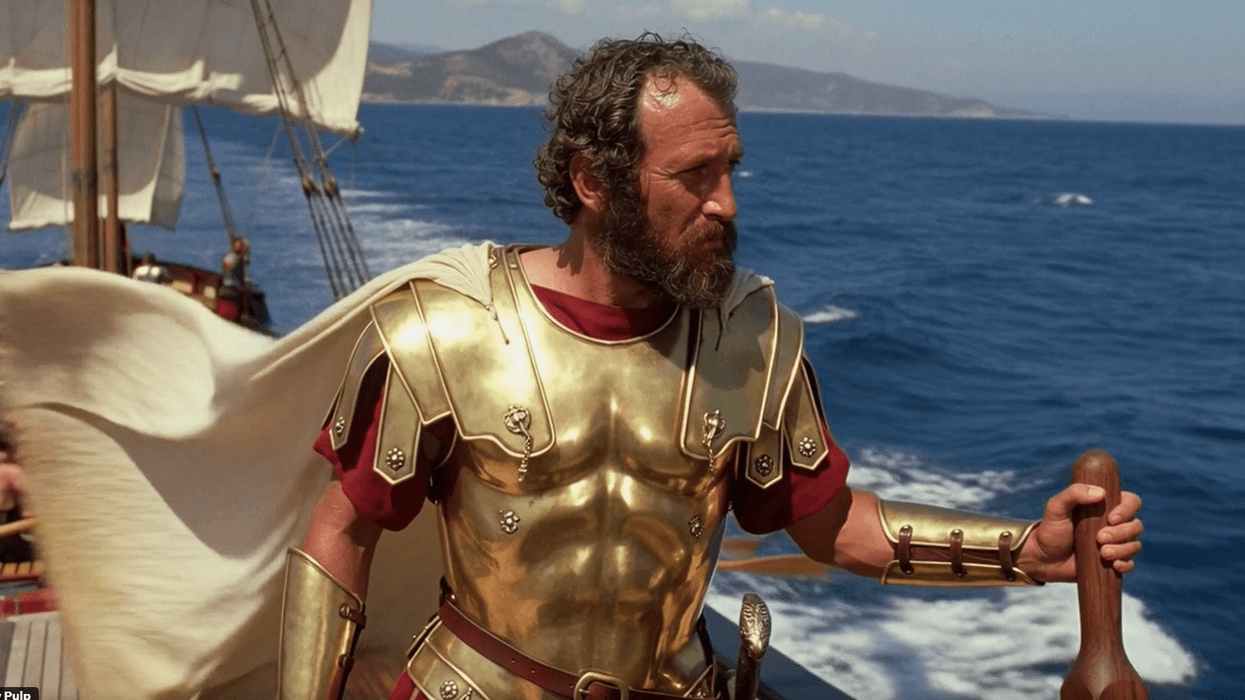
Higgsfield AI, one of several companies developing AI video tools, has released two feature-length films made entirely using artificial intelligence: Hell Grind, a 95-minute action fantasy, and The Cully Hill Boys, a 115-minute crime comedy.
According to the company's content lead, Adil Alimzhanov, the films took approximately a fortnight and a month respectively to complete the equivalent of filming and post-production, excluding scriptwriting.
The projects demonstrate how AI could shorten production schedules and reduce the resources needed to create films. However, they also reveal the amount of creative direction still required to make computer-generated characters appear convincing.
The Cully Hill Boys, written by human writer Tim Planagan, was assembled in short sequences using detailed prompts that specified character actions, camera movements, lighting and emotional expression. Each sequence could be regenerated and refined until the desired result was achieved.
This process shows that AI can accelerate certain stages of film-making, but producing a coherent performance still requires considerable human input.
Why human emotion remains difficult to replicate
One of the biggest obstacles is the ability to convey subtle emotion rather than simply reproduce recognisable facial expressions.
Tim Webber, chief creative officer at British visual effects company Framestore, argues that AI models learn from the visible characteristics of images rather than experiencing emotions themselves.
He believes reproducing the complexity of a genuine human performance remains a considerable challenge.
Zack London, an AI filmmaker who creates science-fiction shorts under the name Gossip Goblin, has also highlighted the limitations of directing synthetic performers. A prompt instructing a character to appear confused or speak sternly may produce an exaggerated result rather than a nuanced reaction.
To improve the performance, creators must specify small physical details, such as a slight movement of the lips, a shift in the eyes or a change in blinking. The process can resemble manipulating a puppet rather than directing an actor.
London sometimes records dialogue with real performers before building animation around their voices, preserving a human element within the production.
Could AI make film production more accessible?
Supporters argue that AI could open opportunities for independent film-makers who lack the budgets, equipment or crews required for conventional productions.
Alimzhanov believes the technology can challenge established Hollywood production structures and give more creators the means to develop their ideas.
Tye Sheridan, co-founder of Wonder Dynamics, which developed AI production tools now associated with Autodesk Flow Studio, also sees potential in making visual effects cheaper and more accessible.
Flow Studio uses AI to help combine filmed footage with computer-generated characters and environments. Rather than replacing performers entirely, this approach can enhance footage featuring real actors.
Sheridan argues that the most memorable moments in acting can emerge from brief, spontaneous expressions that are difficult to predict or reproduce mechanically.
He questions whether generative AI systems are designed to deliver exceptional performances or simply produce an acceptable average.
Why the future may be a combination of AI and human acting
A growing area of development is hybrid film-making, in which AI supports rather than replaces human performance.
At Framestore, Webber is exploring technology that can apply digital effects to traditional acting, allowing film-makers to modify performances without relying entirely on text prompts to generate them.
Such methods could help productions save time and money while retaining the emotional choices made by actors.
The distinction matters because acting involves more than delivering dialogue or displaying a particular expression. Timing, instinct, personal interpretation and the interaction between performers can all influence the final result.
AI may be able to imitate the outward appearance of these qualities, but whether it can consistently deliver the same depth remains uncertain.
The unresolved questions facing Hollywood
The use of synthetic performers also raises questions about consent, the use of actors' likenesses and whether audiences will embrace films featuring computer-generated stars.
Kilmer's AI appearance in As Deep as the Grave was approved by his family, illustrating one approach to obtaining permission. However, the wider adoption of synthetic performers makes questions about creative control and the rights attached to an actor's image increasingly important.
There is also an economic question: will audiences pay to watch films featuring AI-generated stars, and can the technology produce stories compelling enough to justify its use?
For now, AI offers film-makers new ways to create characters, experiment with visual effects and streamline production. But its ability to replace the instinctive, emotionally complex work of human actors remains unproven.
The technology may transform how films are made. Whether it can replace the people who bring those stories to life is a much bigger question.

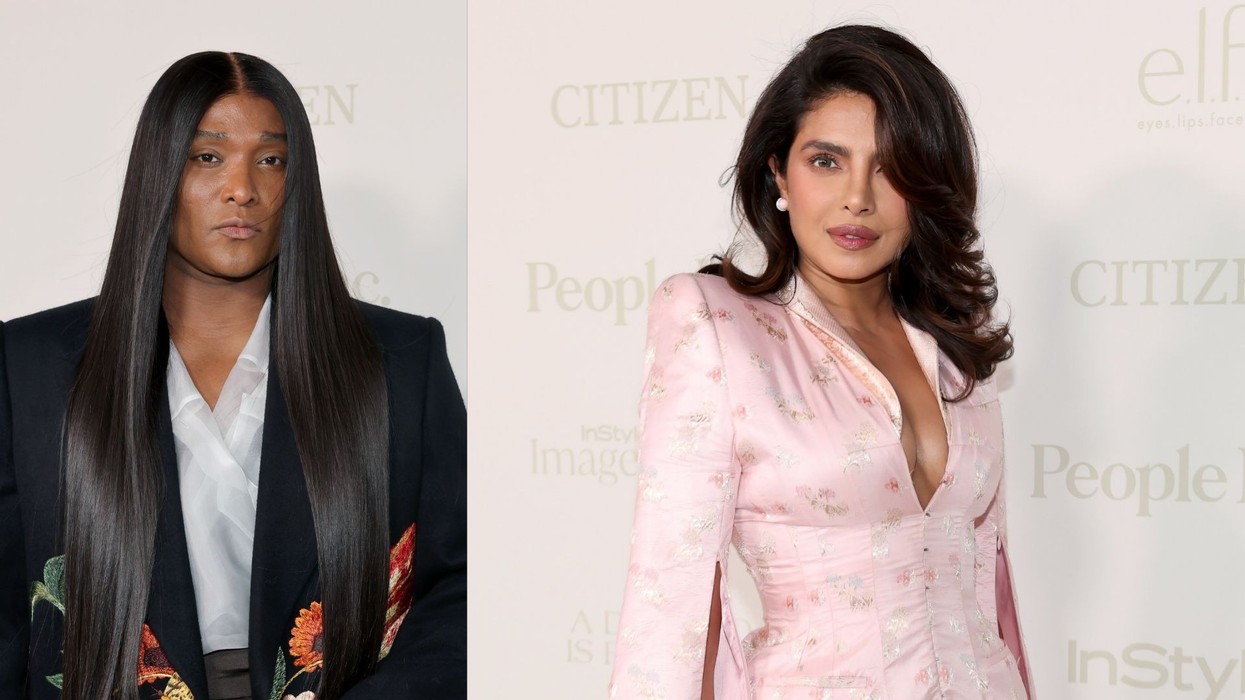
 Indian actress Priyanka Chopra attends the 3rd Annual InStyle Imagemaker Awards in Los Angeles on October 15, 2026. Getty Images
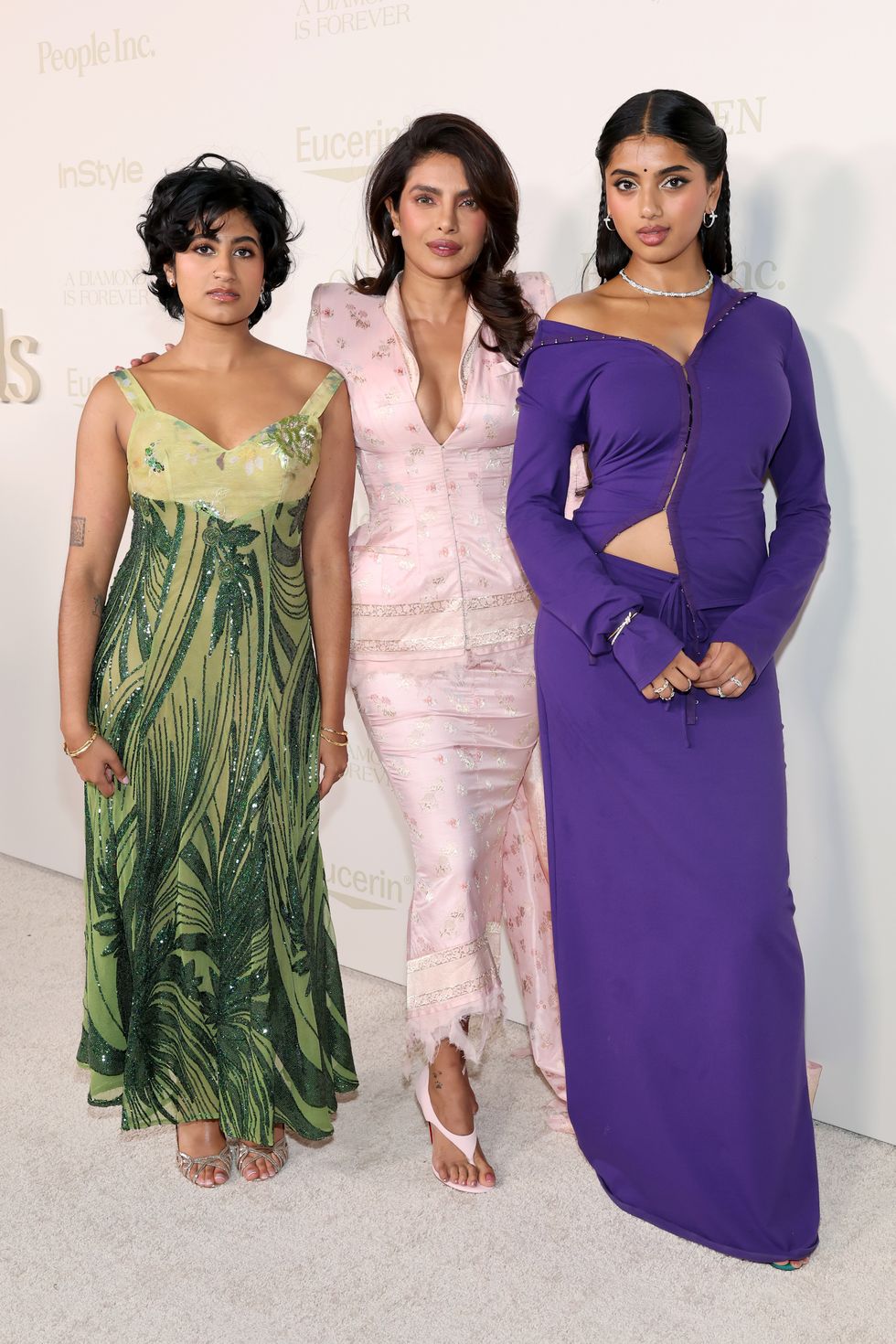 (L-R) Amita Rao, Priyanka Chopra Jonas and Avantika Vandanapu attend the 3rd Annual InStyle Imagemaker Awards on October 15, 2026 in Los Angeles, California. Getty Images






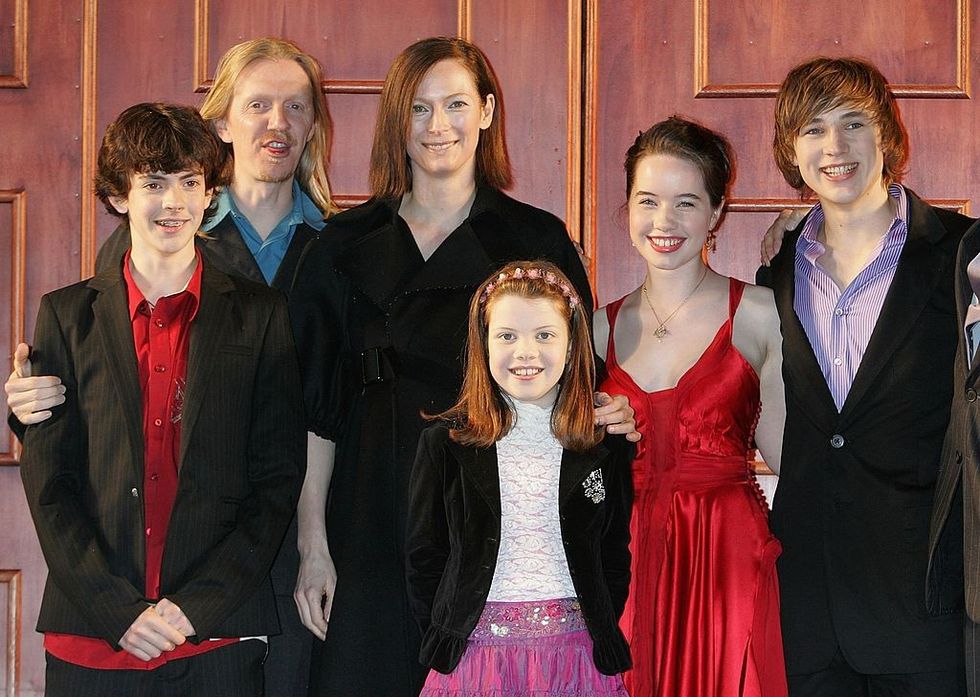 (L-R) Skandar Keynes, director Andrew Adamson, Tilda Swinton, Georgie Henley, Anna Popplewell and William Moseley attend the Japanese Premiere of the film "The Chronicles Of Narnia" on February 16, 2006 in Tokyo, Japan. The film directed by Andrew Adamson will open on March 4 in Japan. Getty Images