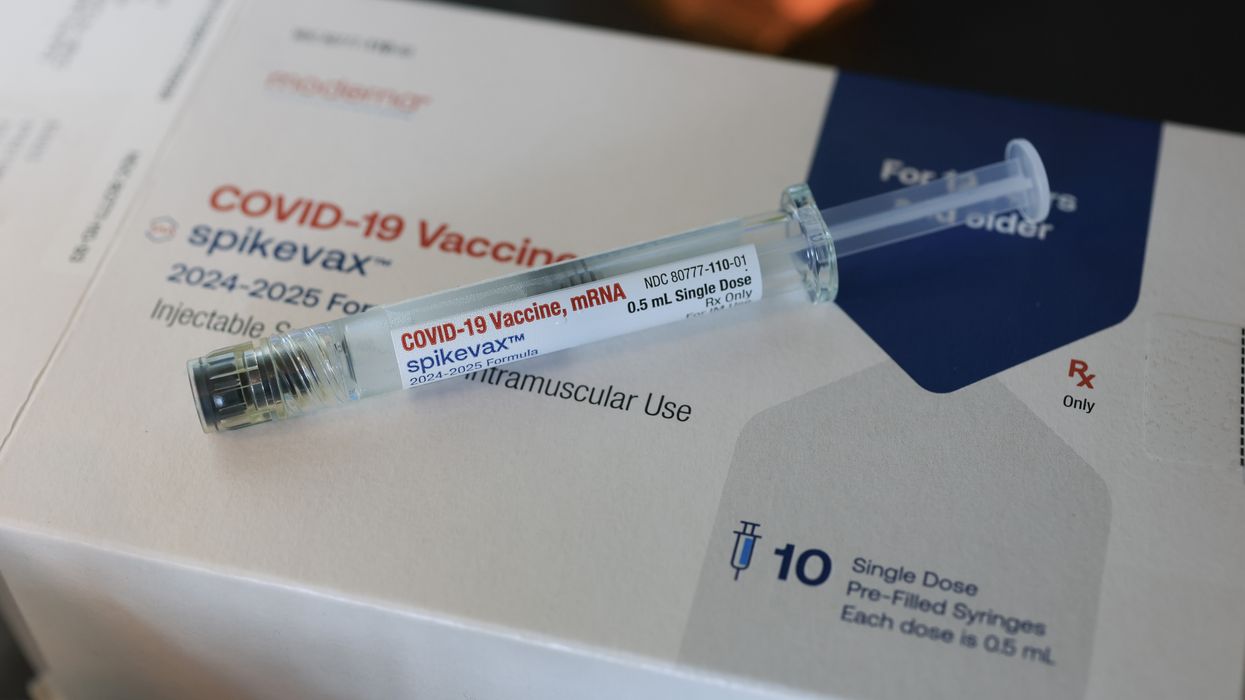

Highlights:
- The FDA has approved updated COVID-19 vaccines but limited them to high-risk individuals.
- Eligibility now includes those aged 65 and older and people with underlying health conditions.
- Healthy children, younger adults, and pregnant women are no longer routinely recommended for vaccination.
- Public health experts warn the move could reduce protection and fuel confusion.
FDA approves new vaccines with tighter rules
The U.S. Food and Drug Administration (FDA) has approved a new round of COVID-19 vaccines but restricted eligibility to people at higher risk of complications. The updated shots, targeting the LP.8.1 omicron subvariant, will be available only to those aged 65 and older or people with specific health conditions.
Previously, COVID-19 vaccines were authorised for anyone aged six months and above. The decision is expected to make it more difficult for healthy children and younger adults to receive a vaccine ahead of a possible winter surge.
Who is still eligible?
The list of risk factors is broad and includes weakened immune systems, asthma, diabetes, depression, high blood pressure and even sedentary lifestyles. Pregnant women remain listed as high-risk, though routine recommendations for vaccination during pregnancy have been dropped by the CDC.
Health and Human Services Secretary Robert F. Kennedy Jr. said the new framework “delivers science, safety, and common sense.” The FDA has approved Moderna’s vaccine for ages six months and up, Pfizer-BioNTech for ages five and above, and Novavax for ages 12 and over.
Concerns from health experts
Public health authorities have criticised the restrictions, warning they could limit access and increase hospitalisations.
“I’m worried that this puts the entire American population at risk for severe COVID disease,” said Dr Tina Tan, president of the Infectious Disease Society of America.
Other experts said the changes may discourage people from seeking vaccination at all. Dr Michael Osterholm of the University of Minnesota called the decision “a disaster waiting to happen.”
Access and insurance issues
The new rules also raise questions about access. Insurance companies are not required to cover the shots in all cases, and some doctors and pharmacists may be reluctant to provide them outside the FDA’s approved use. Without insurance, a dose could cost more than $200.
While patients may still obtain vaccines with a doctor’s prescription, barriers such as cost and availability are expected to reduce uptake further.
Broader policy shift
The move reflects a broader shift in U.S. vaccine policy under Secretary Kennedy, a long-time vaccine critic. His department has revoked emergency use authorisations, cancelled funding for new mRNA vaccine research, and replaced federal advisory committees with sceptics.
Medical groups including the American Academy of Pediatrics and the American College of Obstetricians and Gynecologists continue to recommend vaccines for all children and pregnant women, arguing they remain at high risk.
Rising cases add urgency
The changes come as the U.S. faces another COVID-19 wave, with over 100 deaths each week and rising numbers of children requiring emergency care. Experts fear that confusion around eligibility could further depress already low vaccination rates.
“When people are confused they don’t act,” said Dr Kelly Moore of Immunize.org. “My concern is that a lot of people who would benefit from COVID vaccination are not going to get it because they are just not sure what they should be doing.”





 Aishwarya Rai Bachchan walks the runway during the Le Défilé L'Oréal Paris "Express Your Worth show as part of Paris Fashion Week on September 28, 2026 in Paris, France. Getty Images