

The US Food and Drug Administration (FDA) is narrowing access to seasonal COVID-19 booster shots, significantly revising its previous broad recommendation for nearly all Americans. As of this week, only individuals over 65, high-risk patients, and children will be eligible for the updated vaccines.
The decision, backed by the Trump administration, marks a significant policy shift. Since the pandemic's onset, annual COVID shots have been encouraged for everyone over six months old.
Now, citing insufficient data on benefits for healthy adults and children, the FDA is stepping back, seeking more evidence through placebo-controlled trials before reinstating wider guidance.
FDA officials say approximately 100 million Americans will still qualify for boosters under the new criteria. However, there’s uncertainty around whether healthy adults who voluntarily want the shot will have insurance coverage. That question remains unanswered, raising concerns among healthcare professionals and families alike.
“We need more robust data showing significant benefits for healthy populations,” said the FDA’s new commissioner in a public briefing. “Until we have that, our focus must remain on those at highest risk.”
Despite this recalibration, COVID-19 continues to pose a serious health risk. CDC data shows over 47,000 Americans died from COVID-related causes in the past year. Nonetheless, vaccine uptake has steadily declined, with fewer than 25 per cent of eligible people getting their booster shots during the last two seasons.
Dr. Sharon Stoll, a neurologist, explained the paradox: “It’s not that vaccines aren’t available—it’s that people, especially healthy adults, aren’t getting them. This new policy reflects that shift in public behavior.”
Groups like the American Academy of Pediatrics have expressed concern that this change could remove choice from families seeking protection for their children. If insurance coverage doesn’t apply to those outside the eligibility list, access to the vaccine could become inequitable.
While the FDA’s move aims to balance science with real-world data, critics argue that it may further reduce vaccination rates and create confusion about who needs protection and when. For now, the message is clear: seasonal COVID shots are no longer a one-size-fits-all solution.





 Sabyasachi Mukherjeex
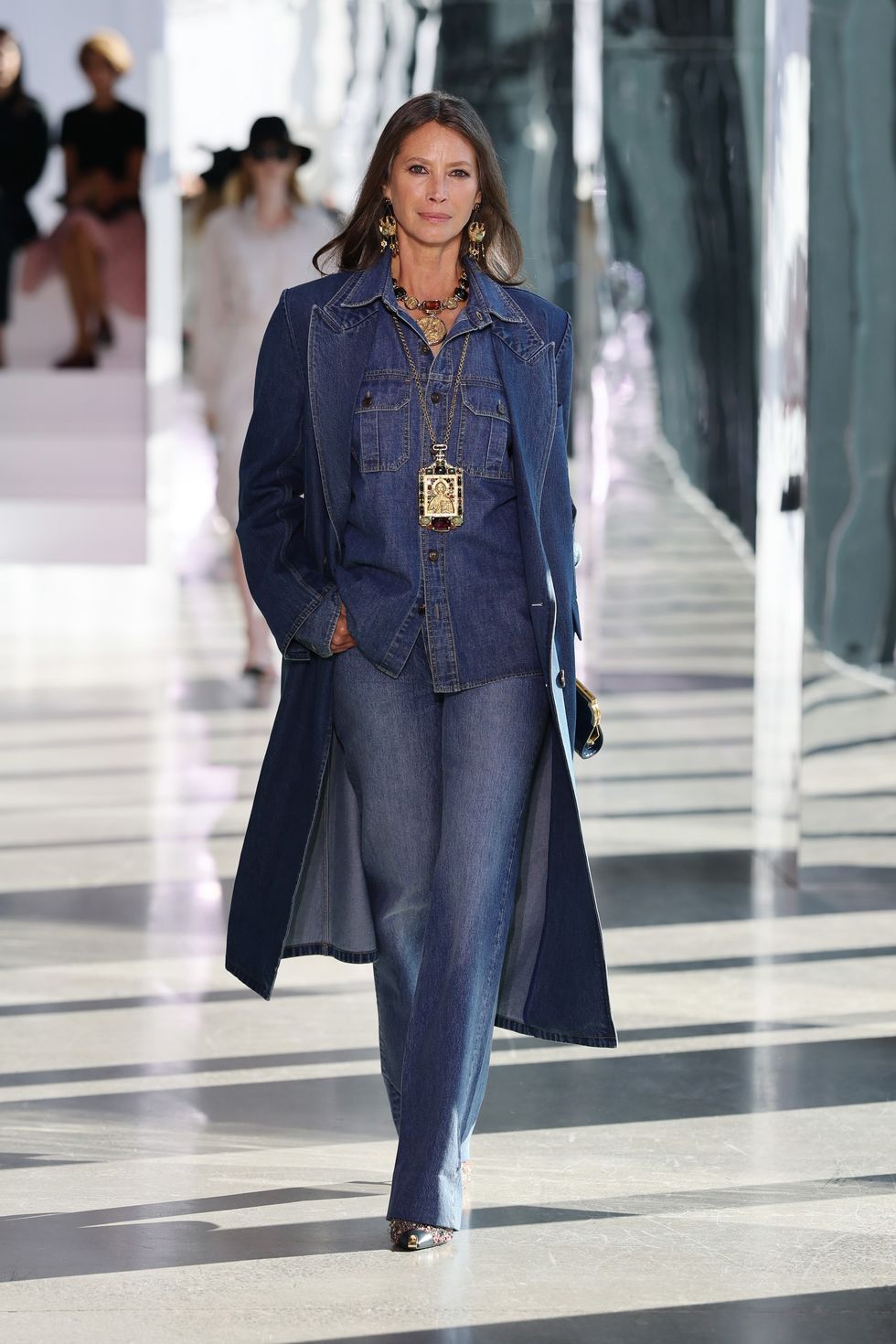 Christy Turlington opens the show in denim and jewelry from Sabyasachi’s collaboration with The Metropolitan Museum of ArtDia Dipasupil/Getty Images
  Models showcase looks from the Bengal Byzantine Broadway collectionx
 x
x x
x




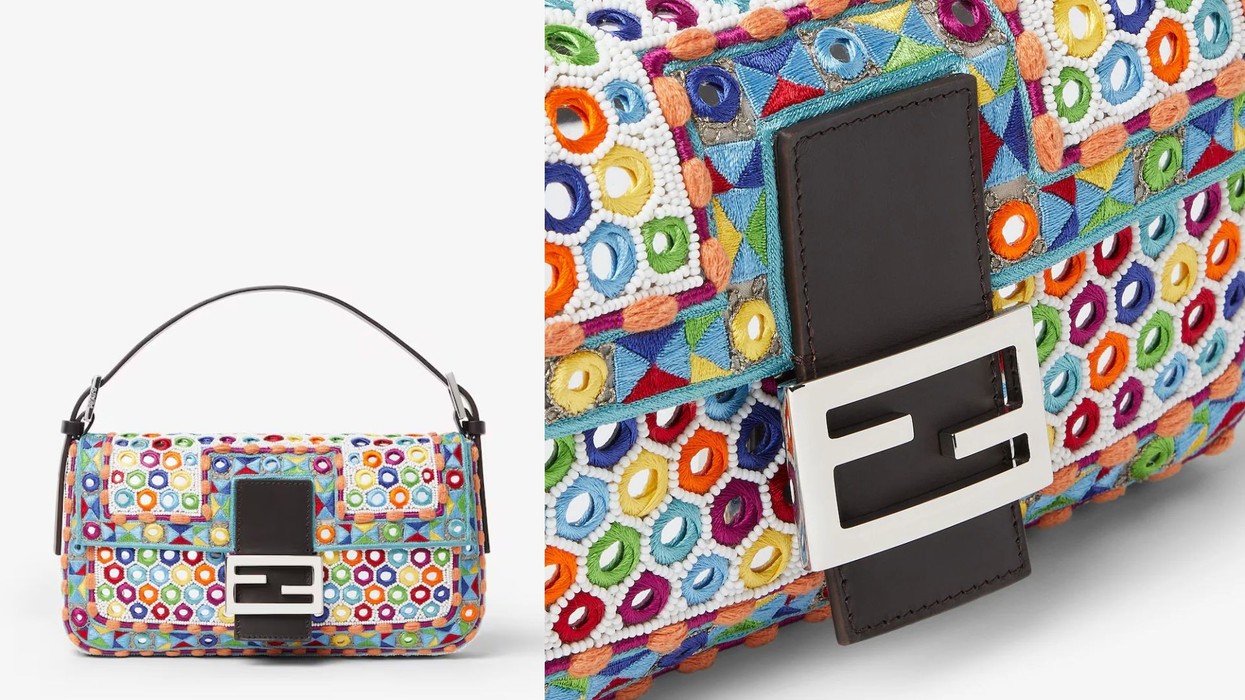
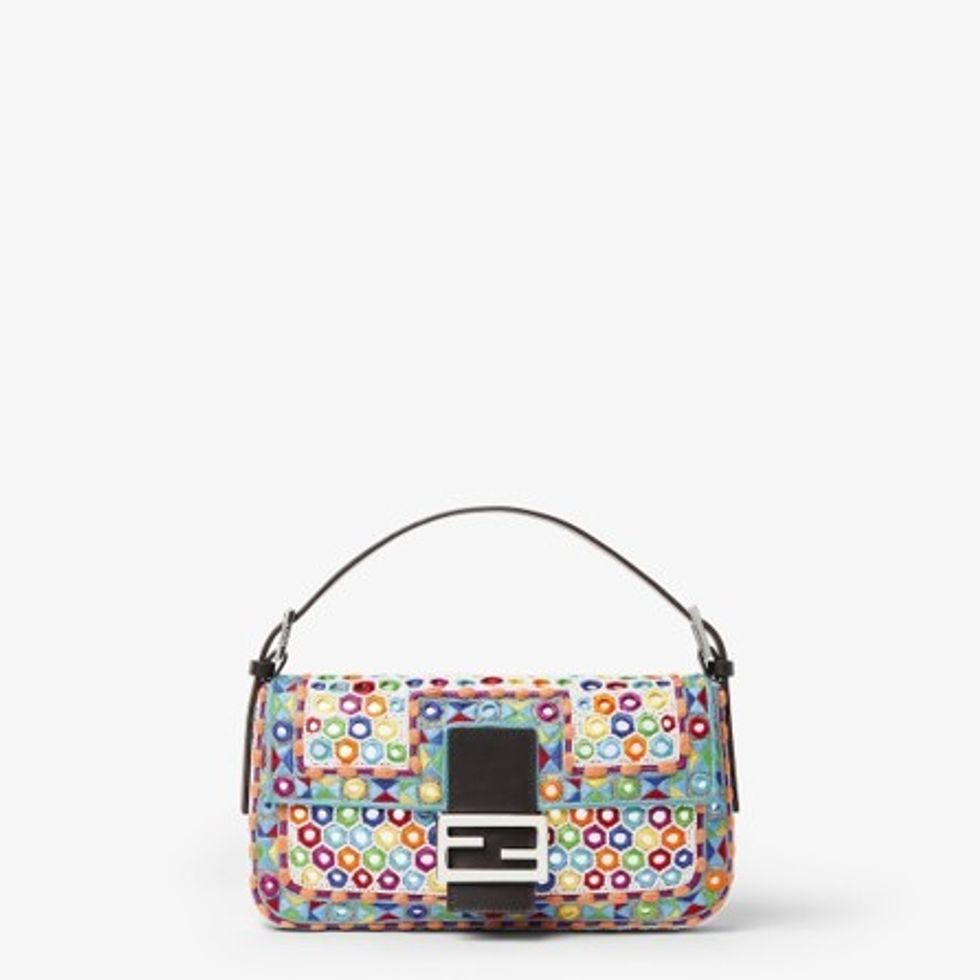 The Fendi bag Fendi.com


 Outlook