
Highlights:
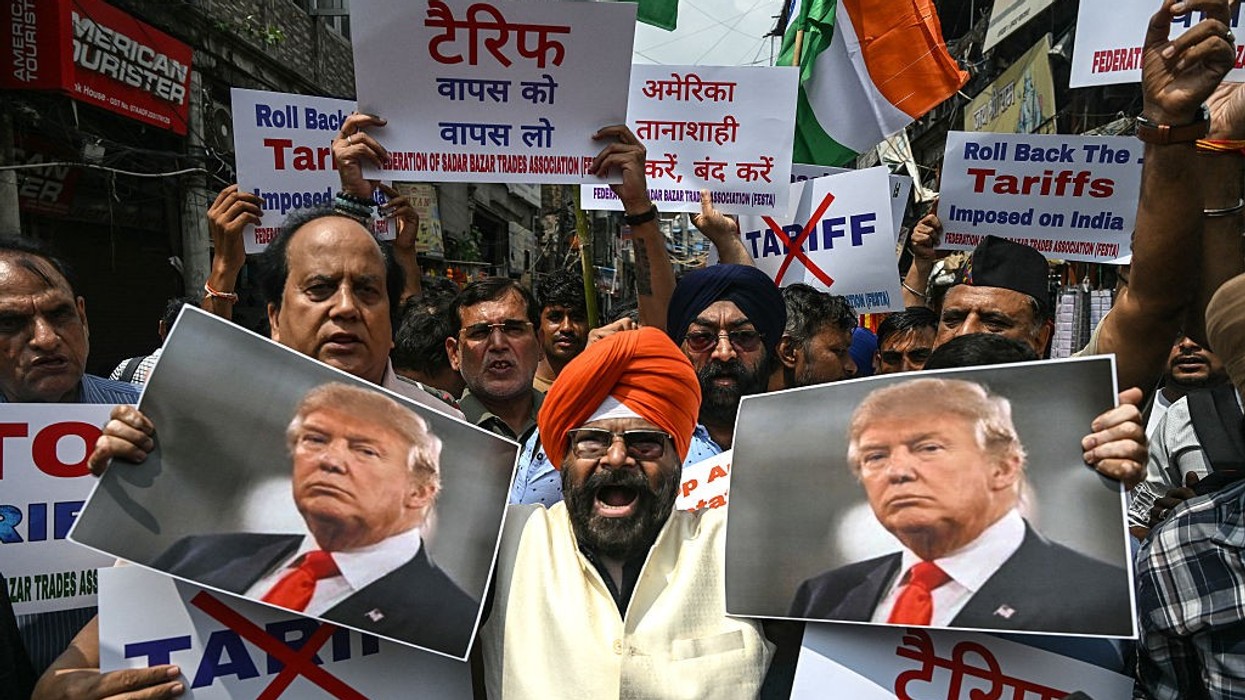
Indian exporters are closely monitoring developments in Washington as the United States reviews tariff measures and labor-related trade investigations. Industry leaders are relying on the ongoing bilateral trade agreement (BTA) negotiations to help preserve India’s competitive position in the American market, The Times of India reported on Thursday (4).
Exporters said their main concern is the possibility that China could face the same tariff treatment as India. Indian exporters are not overly worried about the latest proposal to impose a 12.5 per cent tariff on 54 countries. Instead, they are focused on China. What concerns them most is the possibility that China could also be subject to the same levy.
Industry executives said a uniform tariff structure would reduce India’s relative advantage at a time when global buyers are increasingly seeking alternatives to China for sourcing products.
Exporters also emphasized that India has a well-established regulatory framework governing labor practices and worker welfare.
Industry bodies said the country’s manufacturing ecosystem operates under strict labor laws and compliance systems. They argued that this makes India different from countries that have faced allegations of forced labor.
The exporting community expects trade negotiators from both countries to address these concerns through discussions as negotiations on the proposed bilateral trade agreement continue to advance.
Industry representatives said stronger economic engagement between New Delhi and Washington should help prevent trade disputes from affecting long-term business relationships.
Sectors such as footwear, leather goods, and garments have been especially active in defending India’s manufacturing standards.
Executives from the leather industry said Indian factories supplying global markets are subject to extensive audits and compliance requirements. They added that the sector creates large-scale employment opportunities and includes significant participation from women workers.
Industry leaders warned that any additional tariff burden could hurt export-oriented micro, small, and medium enterprises. They also said it could weaken efforts by American buyers to reduce dependence on Chinese supply chains.
Some exporters are exploring the option of advancing shipments to the United States before any revised tariff system comes into effect. Industry sources said disruptions in global shipping routes have increased transit times, creating only a limited window for exporters to ensure shipments arrive under the current duty structure.
Many Indian exporters said business conditions have improved in recent months following the introduction of a uniform additional tariff regime by the United States.
Companies said the existing system has created a more level competitive environment among supplier countries, helping Indian exporters regain momentum in important product categories.
Garment manufacturers, in particular, reported strong order flows from American buyers. Industry executives noted that, unlike the previous year, when suppliers had to offer significant discounts to retain business, buyers are now absorbing a large share of the additional tariff-related costs.
While these higher costs are ultimately being passed on to consumers, exporters said demand has remained strong despite price increases.
Industry stakeholders generally view the proposed India-US trade agreement positively. However, they stressed that the final agreement should ensure India maintains a meaningful competitive advantage over major export rivals such as China, Vietnam, and Bangladesh.
Exporters said labor-intensive sectors, including textiles, apparel, footwear, and leather products, could benefit significantly if the agreement provides preferential market access and tariff advantages.
As negotiations continue, businesses hope the final framework will strengthen India’s position in one of its most important export markets and support the country’s goal of becoming a larger player in global manufacturing supply chains.

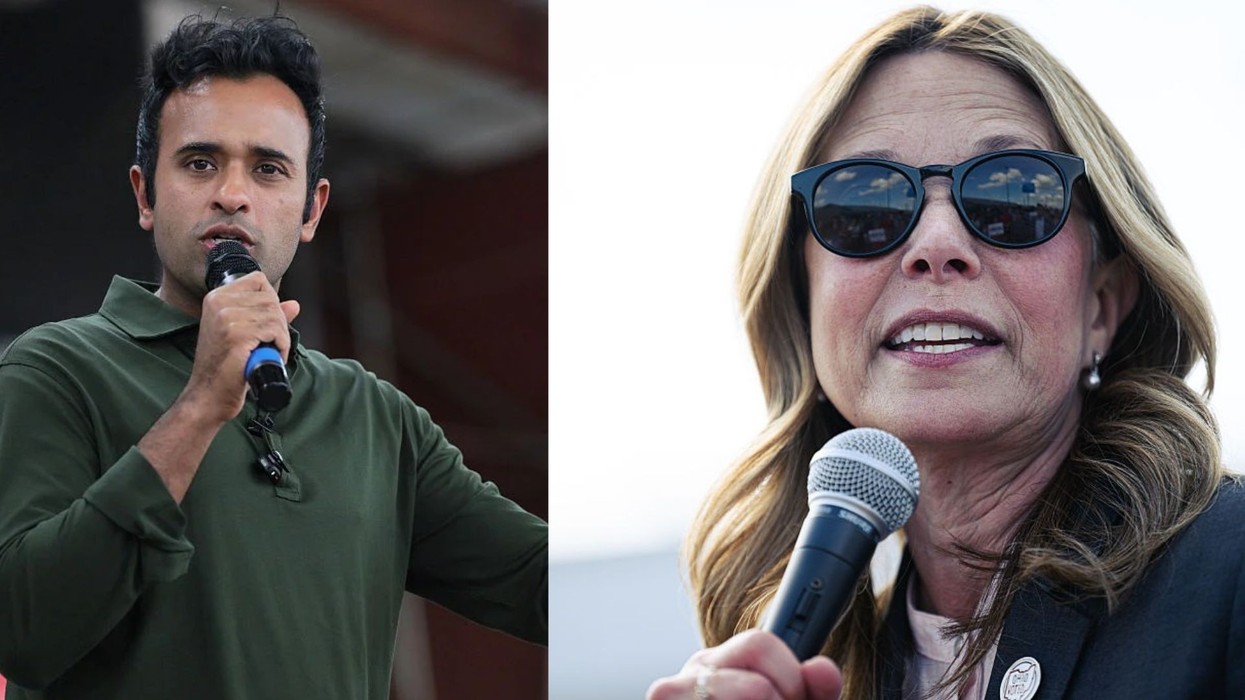


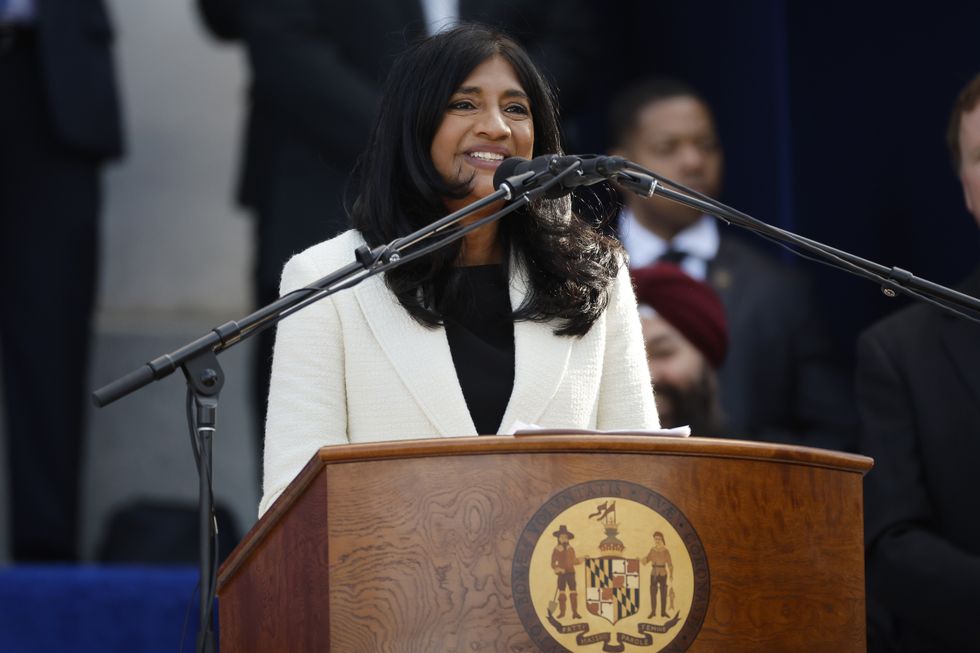 In Maryland, Hyderabad-born Lieutenant Governor Aruna Miller is seeking another term on the Democratic ticket with Governor Wes Moore. Getty
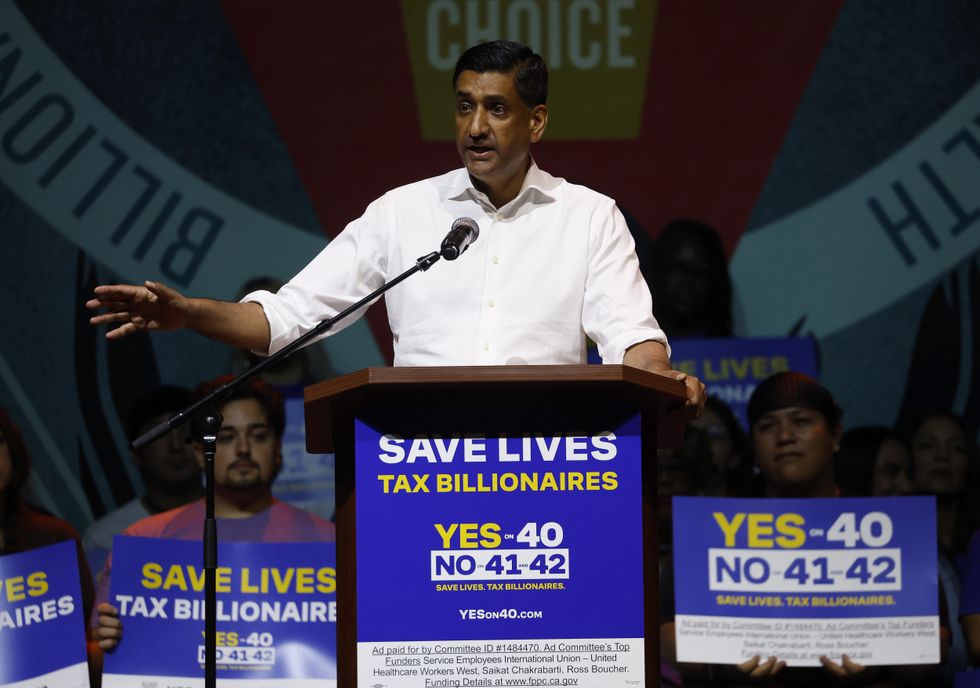 Ro Khanna is seeking re-election.Getty
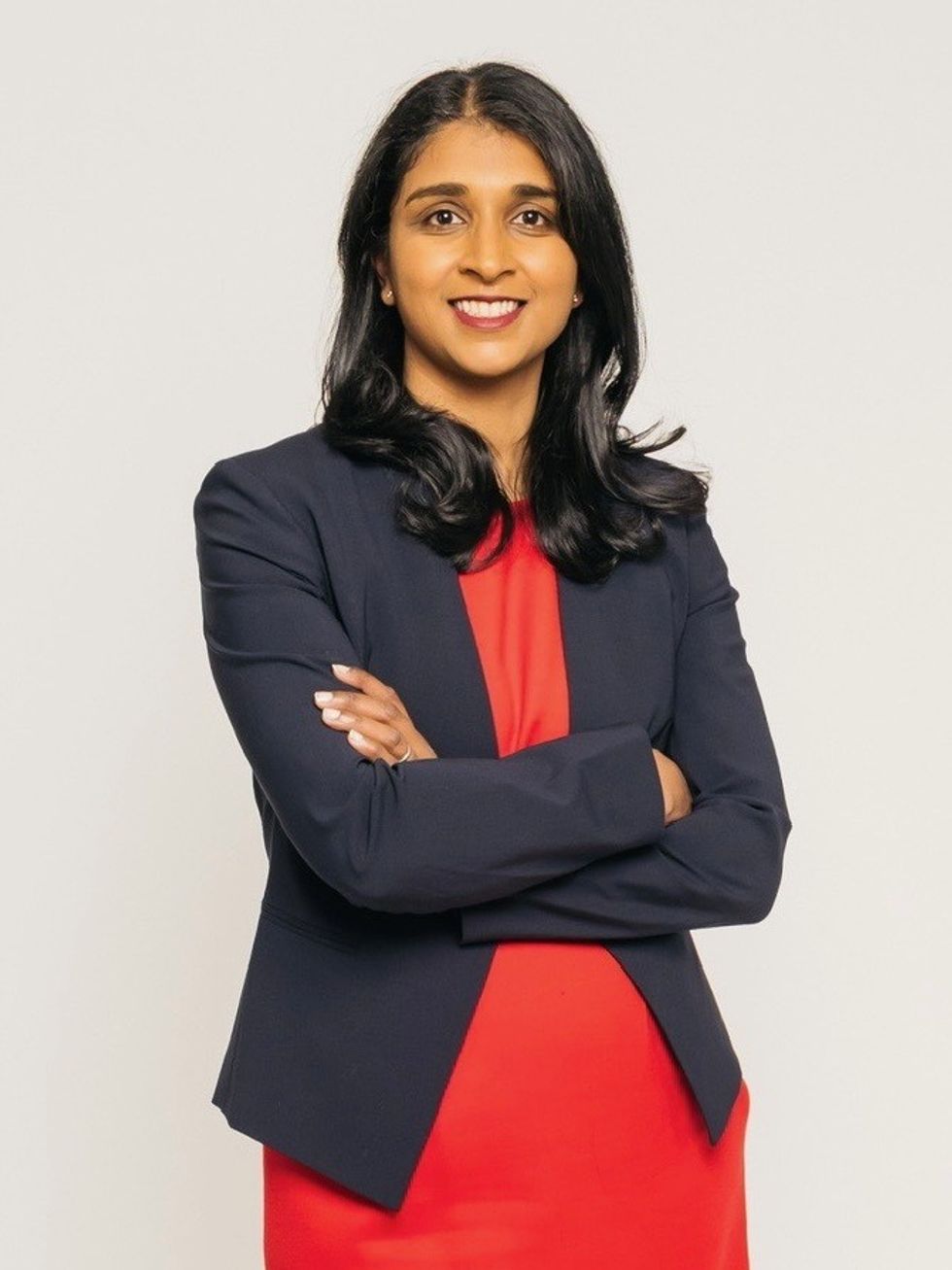 In New York, Republican Saritha Komatireddy is challenging Democratic incumbent Letitia James for attorney general. Getty
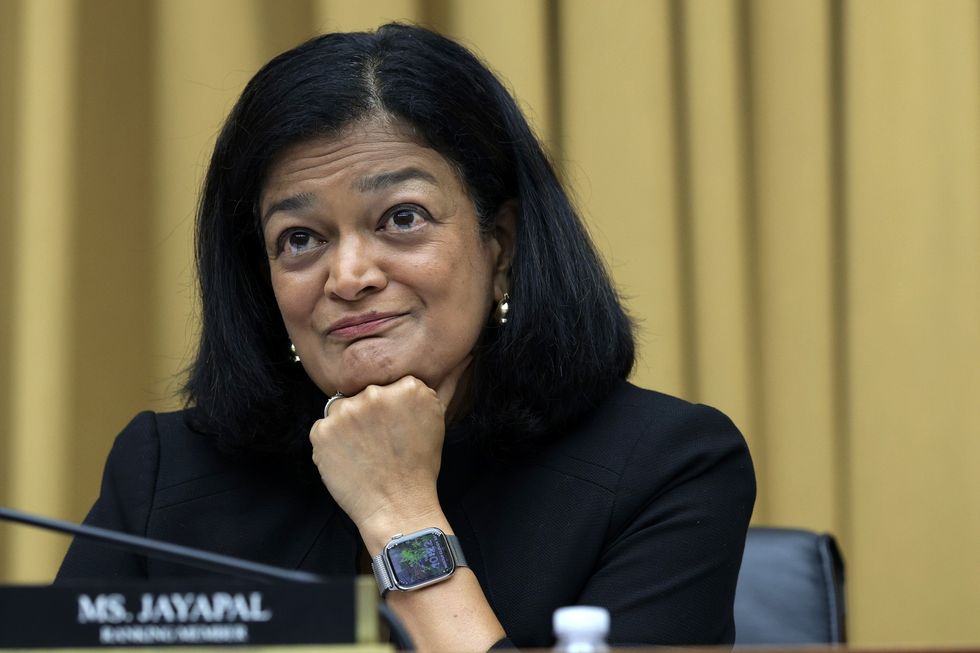 Pramila Jayapal is also seeking re-election.Getty