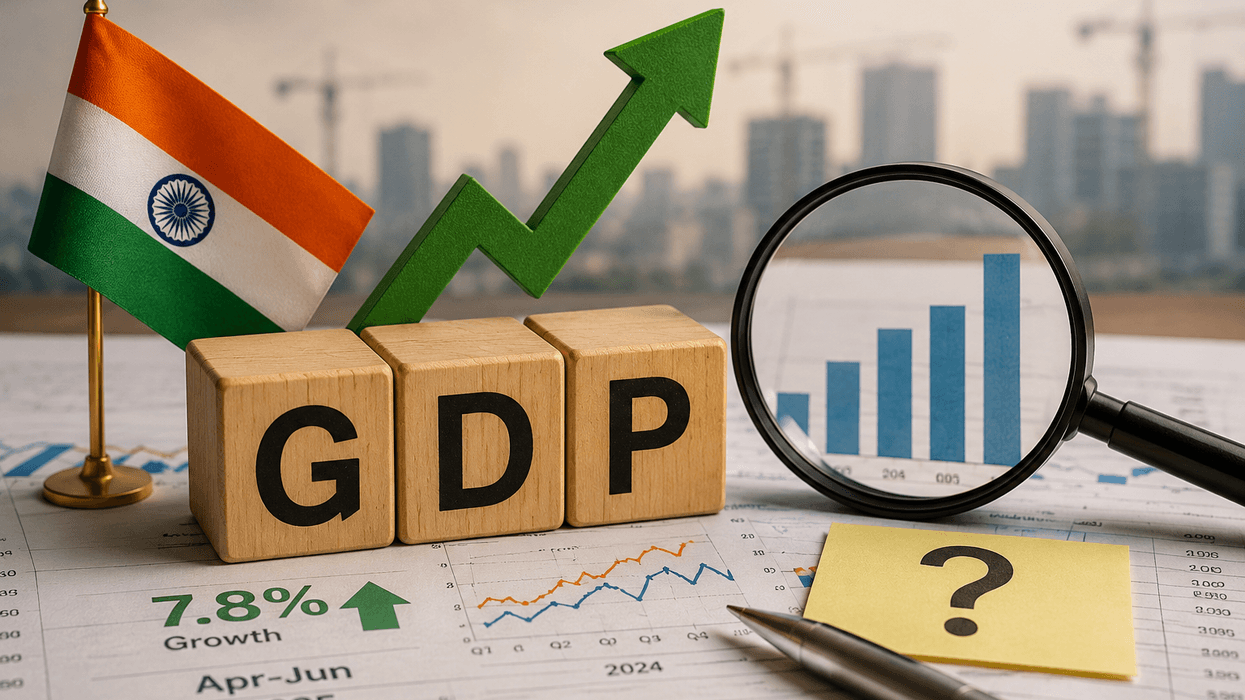

INDIA's 7.8 per cent year-on-year GDP growth in the April-June quarter has sparked a dispute after former finance secretary Subhash Chandra Garg said changes to past data may have made the latest growth figure look stronger.
The figure beat forecasts and gave prime minister Narendra Modi’s government a chance to highlight the economy’s resilience despite global uncertainty.
But critics say the growth rate was calculated against a revised and lower base for the same quarter a year earlier.
The debate centers on a new framework for calculating economic output introduced in February. Garg said quarterly growth had been unfairly inflated because revised figures created a lower base for the same period last year.
Nominal GDP for April-June 2025 was cut from about 86 trillion rupees ($910 billion) to 80 trillion rupees under the revised calculations, according to Garg.
A lower base raises the growth rate for this year, he said, adding that the changes had created distortions in sector-level performance.
The government has rejected the criticism, saying the revisions were routine and were not designed to make current growth appear stronger.
Many developing economies, including India, use a fixed base year to calculate changes in GDP and typically update it once or twice a decade.
Indian officials said the changes were part of a broad statistical overhaul announced in February, when India updated its GDP series and shifted the base year to 2022-23 from 2011-12.
The amendments also added new data sources and more detailed methods for adjusting for inflation, which the government said were needed to better reflect the structure of a rapidly evolving economy.
It said the reduction in last year’s GDP estimates was the result of routine revisions rather than an attempt to boost current growth figures.
The dispute has also become political. Garg has frequently criticized the Modi government since leaving office in 2019, and the opposition Congress party quickly seized on his comments.
Congress accused the government of "fudging" the numbers to hide the "real economic distress of the country".
The row has raised broader concerns about transparency and accountability and revived a long-running debate over whether rapid economic growth is creating enough quality jobs for India’s expanding workforce.
$2.4 billion lost to cyber fraud as 57 Firebase sites target Indians
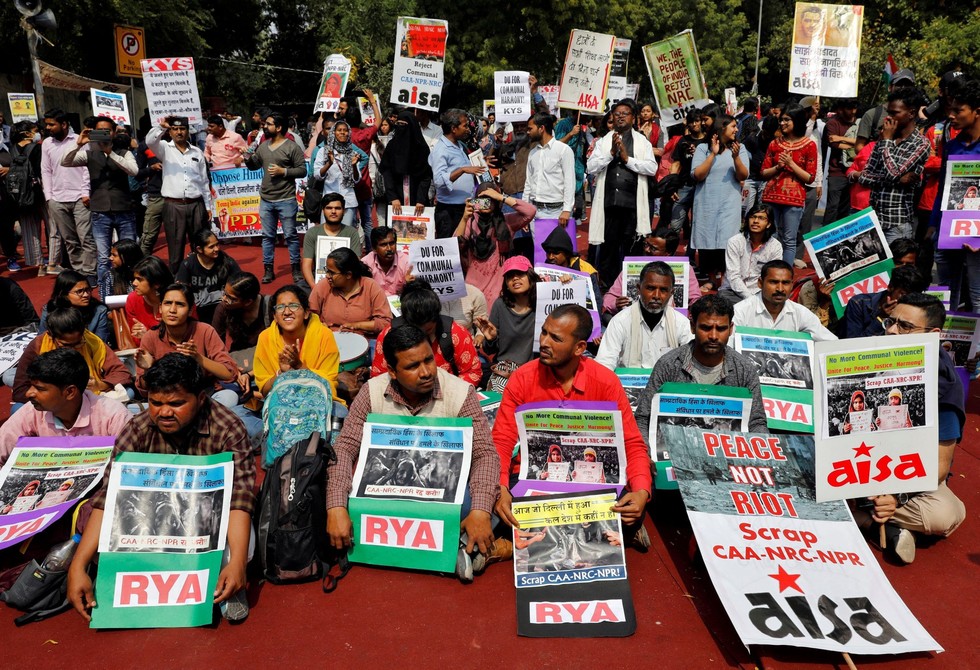
It also comes after a wave of student protests over inequality and corruption in the education system led to the resignation of a senior minister.
Many economists say there is ample evidence that economic activity strengthened during the quarter, regardless of where the precise growth rate eventually settles.
They pointed to car sales, tax collections and bank lending, along with a rebound in consumption following income tax cuts introduced last year.
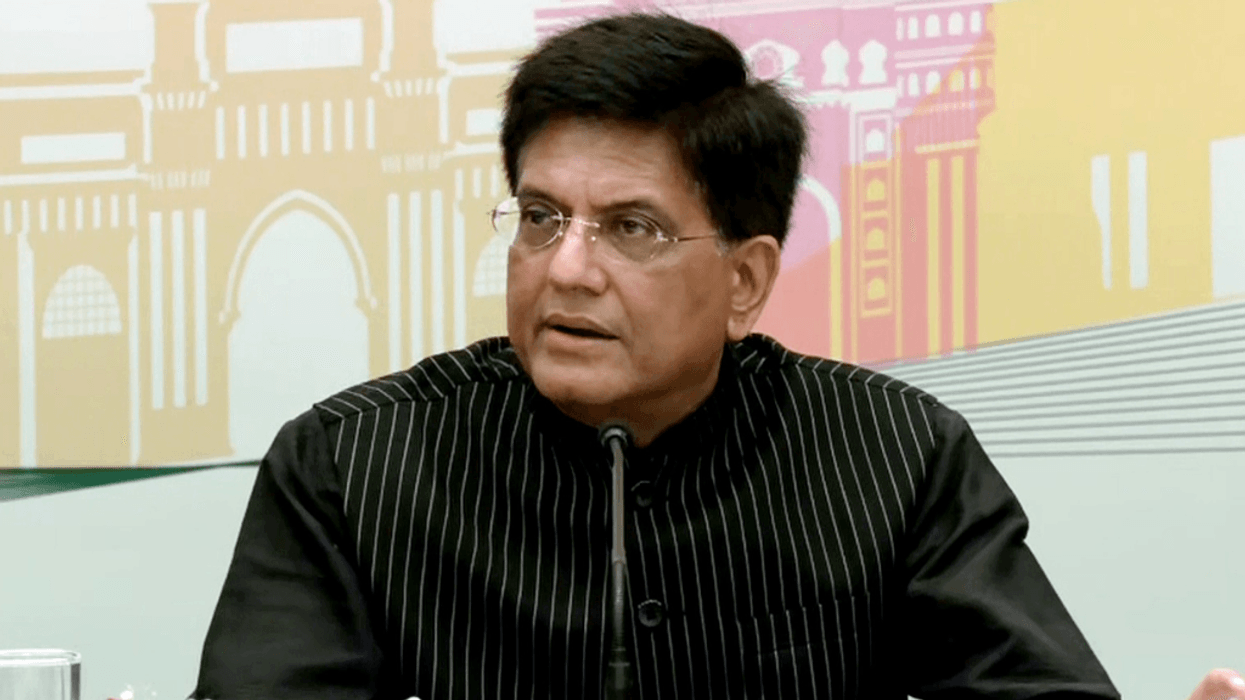
Piyush Goyal likely to visit US for G20 trade meeting as India-US tariff talks enter key phase
Analysts also said stronger domestic demand helped cushion India from external shocks, including geopolitical tensions linked to the Iran conflict.
"High frequency indicators have been robust, so while we can debate the exact numbers, that underlying momentum has been fairly strong," Teresa John of Nirmal Bang Institutional Equities told AFP.
(With inputs from agencies)