
Highlights:
- Indian seafarer Suraj Yadav was killed
- 19 Indian crew members were rescued
- Two torpedoes struck the vessel
- MV Cape Dao was sailing toward India
- Seafarer safety concerns are growing
For one Indian seafarer, a journey at sea ended in tragedy after a commercial vessel came under attack off the coast of Oman.
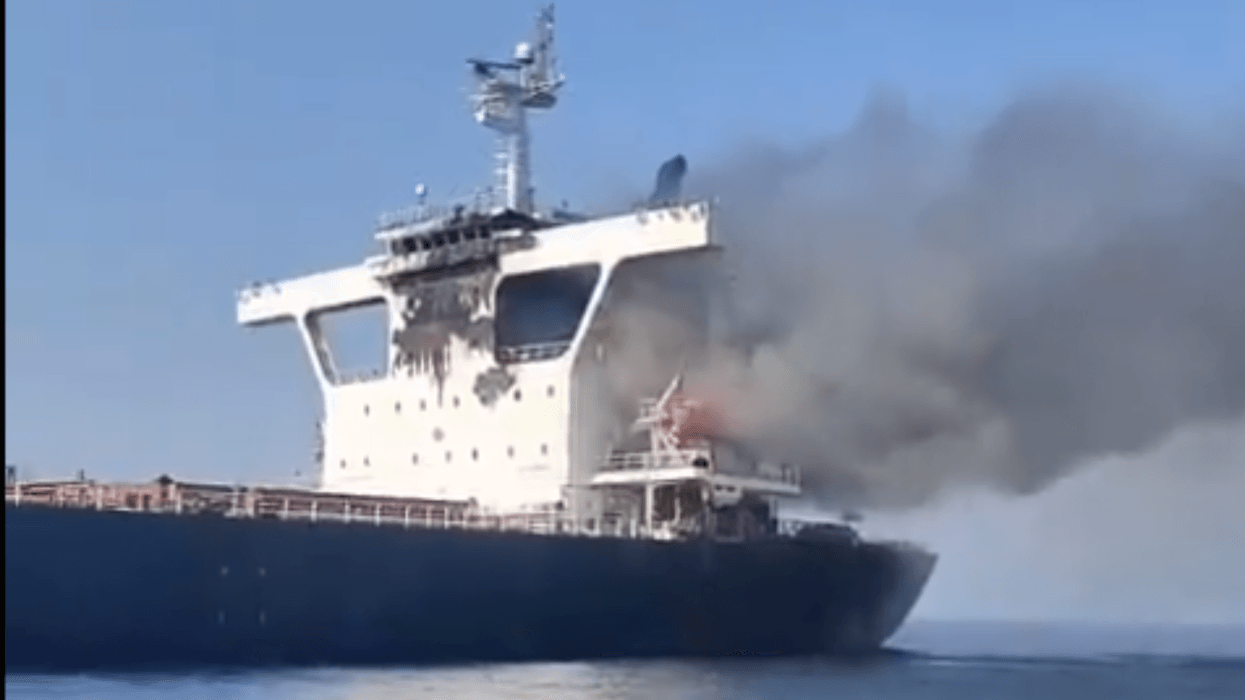
Suraj Yadav, a Wiper from Deoria in Uttar Pradesh, was killed after the MV Cape Dao was struck by torpedoes while sailing toward India. The vessel was carrying 28 crew members, including 20 Indian nationals, according to the Forward Seamen's Union of India.
India's Ministry of External Affairs confirmed that one Indian seafarer had died and 19 others had been rescued.
The MEA said it condemned the attack and offered condolences to Yadav's family. India's Embassy in Oman was also coordinating with Omani authorities over the situation and the repatriation of those rescued.
Two torpedoes hit the vessel
The attack was particularly serious because the vessel was carrying civilians working aboard a commercial ship.
The Forward Seamen's Union of India said two torpedoes struck the ship. One hit the port side of the C-deck, where crew members' living quarters are located, while another struck the port-side hull near the engine room.
The incident left fellow crew members facing the immediate danger of an attack at sea while also confronting the loss of one of their colleagues.
For the Indian seafarers who survived, the rescue was only the beginning of their journey home.
19 Indian seafarers rescued
The MEA said 19 of the 20 Indian nationals aboard the vessel were rescued.
India's embassy in Oman was monitoring the situation and working with Omani authorities to facilitate their early repatriation. The ministry also thanked Omani authorities for their assistance.
There is a discrepancy in the reported crew numbers. The FSUI said the ship had 28 crew members, including 20 Indians, while the Indian Embassy figure cited in the report referred to 19 Indian nationals.
The danger facing civilian seafarers
The attack has renewed concerns about the risks faced by commercial crews operating in waters affected by regional tensions.
The MEA described the continuing attacks on commercial shipping as “deeply worrisome” and called for dialogue and diplomacy to reduce tensions. It also said commercial vessels, seafarers and civilian infrastructure should not be targeted and called for free and unimpeded navigation through international waterways.
For seafarers, however, those broader diplomatic concerns translate into something much more immediate: the danger of going to work on a commercial vessel and not knowing whether the route itself could put their lives at risk.
A call for accountability
The Forward Seamen's Union of India said the attack showed the risks facing seafarers in the region and called for immediate accountability.
The union said assurances about seafarer safety were no longer enough and called for safe passage for crews traveling through the region. It also demanded justice for Yadav and other Indian seafarers it said remain at risk.
Yadav's death has therefore become more than a statistic from another attack at sea. It is the loss of a civilian worker who was on board a commercial vessel, alongside colleagues who survived an attack that could have claimed many more lives.
For the 19 Indian seafarers who were rescued, the immediate priority is getting home safely. For the wider Indian maritime community, the incident is another reminder of the human cost of dangerous shipping routes.