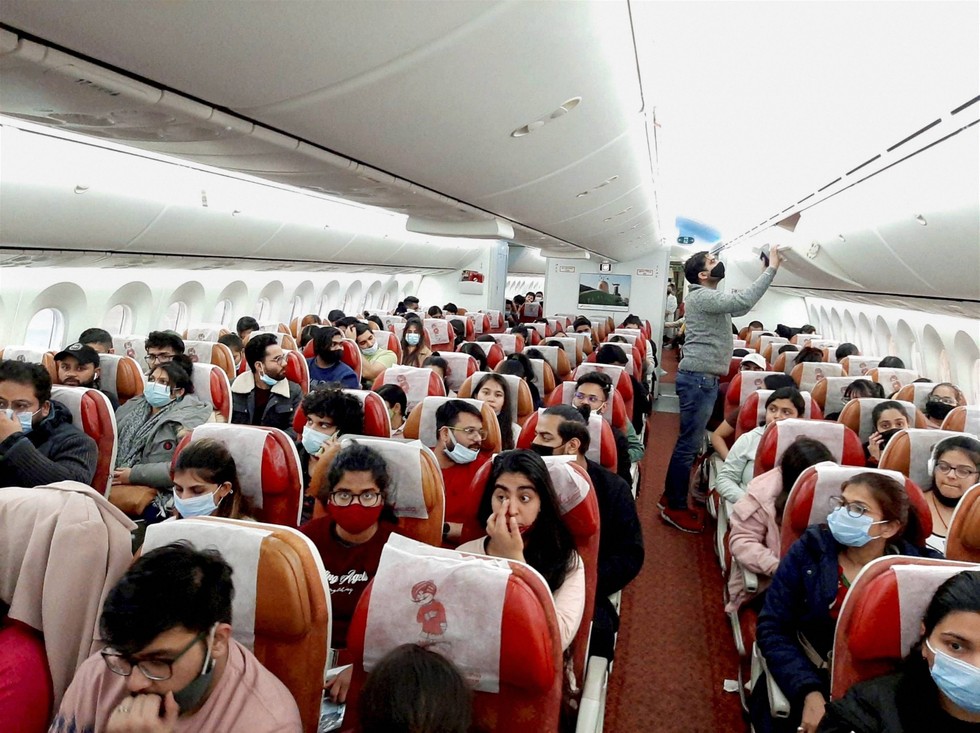
AFTER administering coronavirus vaccines to two age groups of 18-45 and 45 above, the Indian government has now focused on inoculating children aged between 18 and 15 and members of the said age category can register for the jabs on the government’s CoWIN app from January 1 using their school identity cards, the government on Monday (27) said.
CoWIN chief Dr RS Sharma told Asian News International that an additional slot has been set up on the online platform to help students register their names by using the ID cards.
ALSO READ: India’s frontline workers to get Covid booster jabs from January 10
On Saturday (25), Indian prime minister Narendra Modi had said in a national address that minors between 15 and 18 years could get their first round of Covid vaccines starting January 3.
Covid: Make health systems stronger, Modi tells states
Modi, who also announced booster shots for frontline and healthcare workers and those above 60, said inoculating children, something other nations have already done, will help schools return to normalcy.
Children in India will receive either of the two shots – Bharat Biotech’s double-dose Covaxin or Zydus Cadila’s three-dose ZyCoV-D, both of which have been cleared for children above 12.
The Indian drug controller has also cleared Serum Institute of India’s Novavax for trials on kids between seven and 11 years while Biological E’s Corbevax has got the nod for trials on children over five.
Neither of the two has been cleared for use as yet.
India is behind many countries, including many from Europe, the United States, the United Arab Emirates and New Zealand, in inoculating children.
The decision to start jabbing minors comes amid an alarming rise in Covid cases in schools in various parts of the country.
The government’s move to vaccinate minors, however, has received mixed response with many parents expressing concern over possible side-effects on young recipients.