
- Iran confirms no planned meeting with U.S. officials in Islamabad
- US envoys Steve Witkoff and Jared Kushner set to arrive in Pakistan
- Pakistan expected to mediate indirect discussions between both sides
- Tensions persist over Strait of Hormuz and US naval blockade
- Economic pressure on Iran continues with sanctions and oil restrictions
Iran has stated that no direct meeting with US negotiators is planned in Islamabad, even as American envoys are scheduled to arrive in Pakistan’s capital for potential talks aimed at advancing fragile peace efforts.
Iranian Foreign Minister Abbas Araghchi met Pakistan’s Army Chief, Field Marshal Asim Munir, early Saturday in Islamabad, according to a statement from the Iranian embassy. The meeting took place amid growing uncertainty over whether a second round of negotiations between Iran and the United States would occur over the weekend.
A senior Iranian official made clear that Tehran has no intention of engaging directly with US representatives during the visit. Iranian Foreign Ministry spokesperson Esmaeil Baqaei reinforced that position, stating late Friday (24) that “no meeting is planned to take place between Iran and the US,” adding that Iran’s views would instead be communicated to Pakistan.
On the US side, preparations for talks are moving forward. White House press secretary Karoline Leavitt confirmed that special envoy Steve Witkoff and Jared Kushner are expected to travel to Islamabad on Saturday to engage in what she described as “direct talks” with Iranian counterparts. She said the outreach followed a request from Iran for an in-person discussion, as previously encouraged by President Donald Trump.
Leavitt expressed cautious optimism, noting that the envoys would hear Iran’s position and that officials hope the discussions could help advance progress toward an agreement. However, she clarified that Vice President JD Vance, who led a previous U.S. delegation in earlier talks, would not attend this round.
President Trump said in a phone interview Friday (24) that Iran would be “making an offer,” though he added that its specifics remain unknown.
Earlier, Araghchi described his regional travel, including stops in Islamabad, Muscat, and Moscow—as a “timely tour” aimed at coordinating with partners on bilateral issues and consulting on broader regional developments.
According to Leavitt, any discussions in Islamabad would be mediated by Pakistani officials. The first round of talks, held two weeks earlier in the same city and led by Vance, ended without a deal. Plans for follow-up negotiations earlier this week were delayed after reports indicated Iranian officials would not attend.
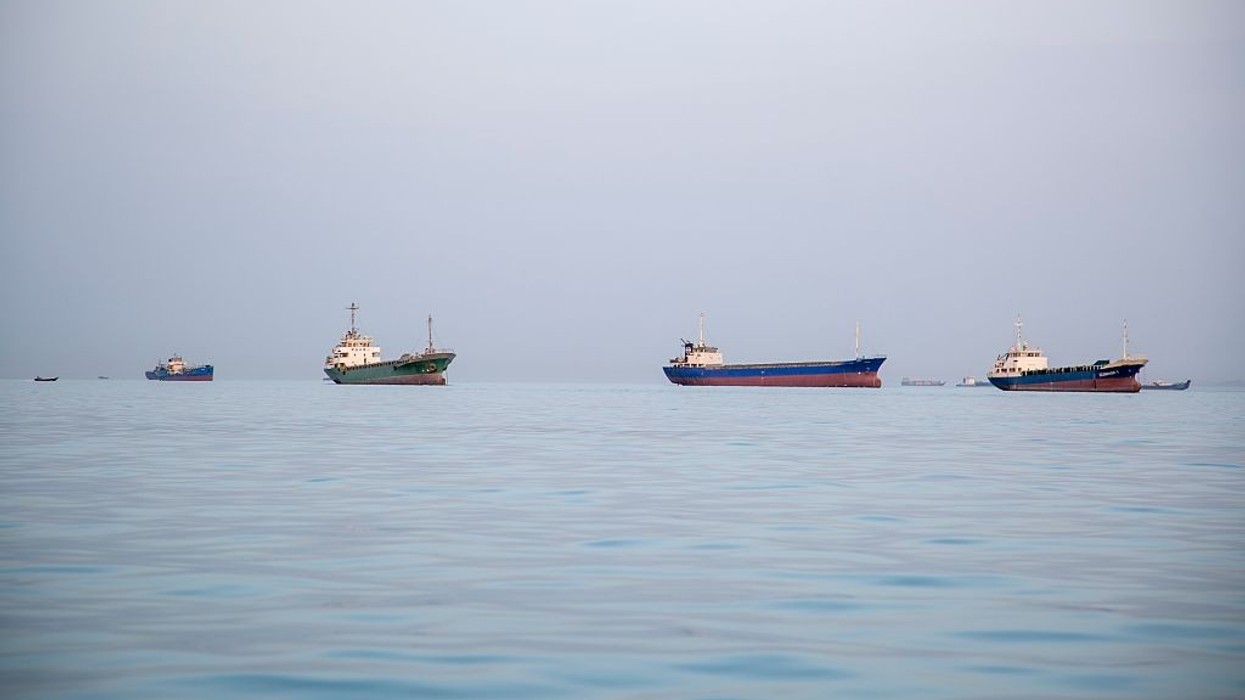
Tensions between the two countries remain high, particularly over the Strait of Hormuz, a critical global oil shipping route. Shipping traffic in the area has slowed significantly following Iranian threats and a retaliatory US naval blockade implemented last week. Trump has said the blockade will remain in place until a deal is reached.
The United States is also maintaining economic pressure on Iran. Treasury Secretary Scott Bessent said Friday (24) that Washington does not plan to renew a waiver allowing the purchase of Iranian oil at sea. He indicated that the blockade is effectively halting Iranian oil exports and could soon force production shutdowns.
Additional sanctions have been imposed, including measures targeting a Chinese refinery accused of purchasing Iranian petroleum products. These steps, alongside restrictions on Russian oil purchases, reflect ongoing efforts to limit Tehran’s economic activity.
The situation continues to strain a ceasefire announced on April 7, which remains in place but under increasing pressure as negotiations remain uncertain.