
Highlights:
- Iran criticized Trump for sharing remarks calling India and China “hellholes.”
- The comment came from conservative author Michael Savage in a video reposted by Trump.
- India condemned the remarks as “uninformed, inappropriate and in poor taste.”
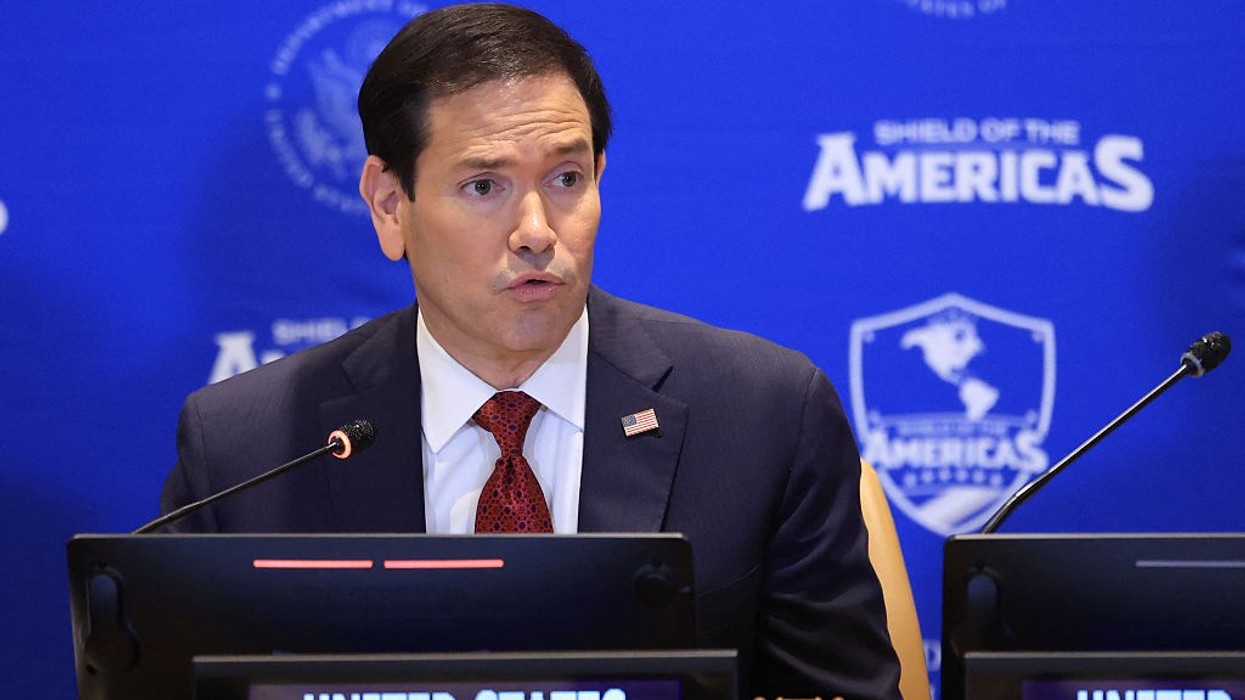
- The issue arises ahead of US Secretary of State Marco Rubio’s planned India visit.
- The debate is linked to ongoing discussions around US birthright citizenship laws.
Iran on Thursday (23) mocked president Donald Trump after he shared a video featuring conservative author and radio host Michael Savage, who referred to India and China as “hellholes” while criticizing America’s birthright citizenship laws.
In a post on X, Iran took a direct swipe at Trump, saying he needed a “cultural detox.” The post read, “Maybe someone should book a one-way cultural detox for Mr. #Trump, it might just reduce the random bakwaas. Kabhi India aa ke dekho, phir bolna,” according to the Iran in Mumbai handle.
The controversy began after Trump reposted a video and transcript of Savage’s remarks on his social media platform, Truth Social. In the clip, Savage criticized birthright citizenship in the United States. He spoke about immigration and said that babies born in the US automatically receive citizenship. He also claimed that these children later sponsor their families from countries such as India and China, which he described using derogatory language as “hellholes.”
The endorsement comes at a sensitive time. It follows developments in the US Supreme Court, which recently indicated that it may strike down the Trump administration’s executive order aimed at ending birthright citizenship. The court heard arguments on April 1, more than a year after Trump signed the order. The order sought to deny automatic citizenship to children born in the US to parents who were not citizens or lawful permanent residents.
In the video, Savage also argued that immigration has changed the cultural fabric of the United States. He claimed that English is becoming less common in daily life. He further alleged that many recent immigrants do not show the same sense of loyalty as earlier generations.
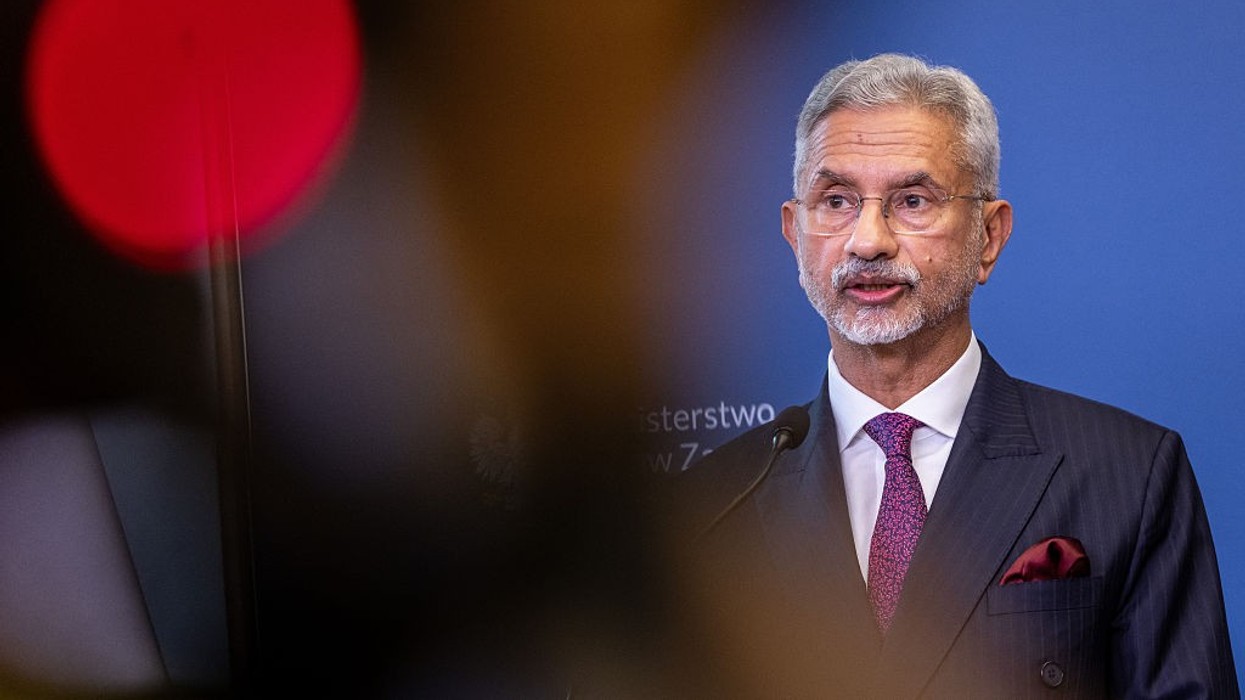
The remarks drew a strong response from India. The government condemned the comments and called them “uninformed, inappropriate and in poor taste.” Ministry of External Affairs spokesperson Randhir Jaiswal said, “We have seen the comments, as also the subsequent statement issued by the US Embassy in response.” He added, “The remarks are obviously uninformed, inappropriate and in poor taste. They certainly do not reflect the reality of the India-US relationship, which has long been based on mutual respect and shared interests.”
The controversy comes just weeks before US Secretary of State Marco Rubio is scheduled to visit India. During the visit, he is expected to focus on strengthening ties between the two countries and easing recent tensions. The situation has added attention to the importance of diplomatic relations and public statements made by political leaders and influencers.
The exchange highlights ongoing debates around immigration policies in the United States, as well as the broader impact of such discussions on international relationships.