
Highlights:
- Two ships were fired on in the Strait of Hormuz, according to UKMTO
- IRGC reportedly attacked a container ship, causing heavy damage
- A second vessel was also targeted but remains safe
- US extends ceasefire, but Iran dismisses it as meaningless
- Ongoing tensions are affecting global fuel prices
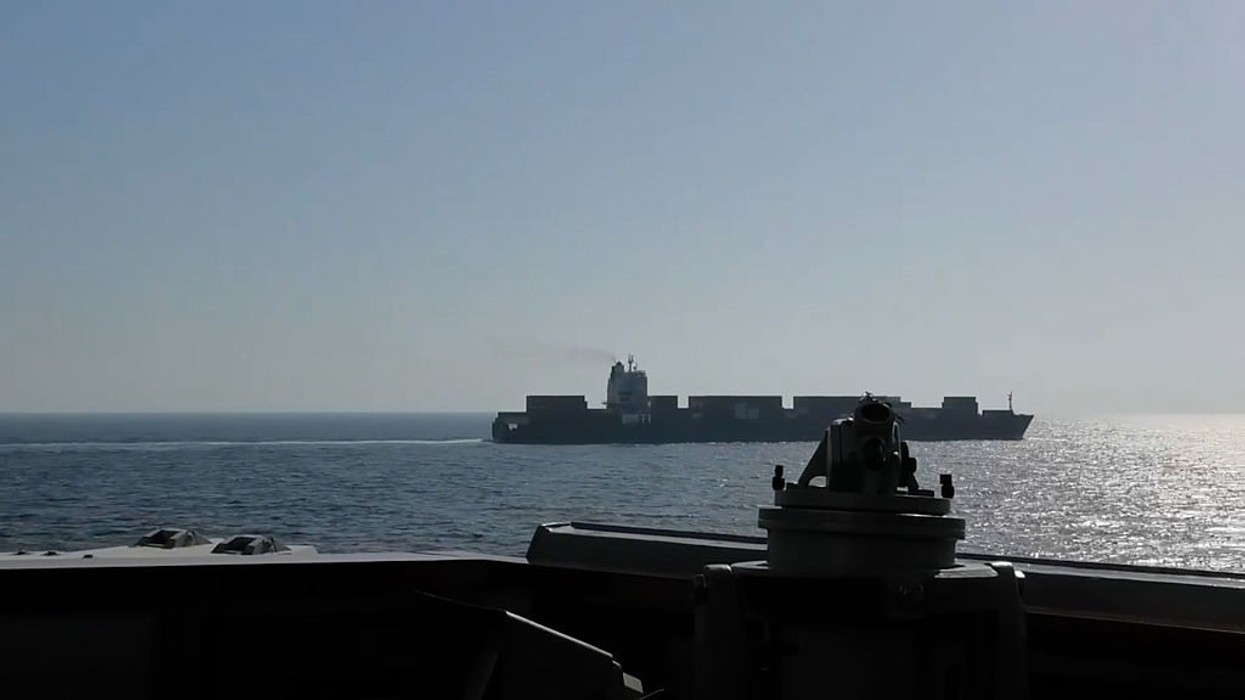
Two ships have come under fire in the Strait of Hormuz, according to the UK Maritime Trade Operations Centre (UKMTO), as tensions remain high amid a continued US blockade of Iranian ports.
The UKMTO reported that an Iranian Revolutionary Guard Corps (IRGC) gunboat fired on a container ship about 15 nautical miles northeast of Oman. The attack caused heavy damage to the ship’s bridge. The vessel, identified as the Epaminondas, is owned by a Greek company. Data indicates the ship was not transmitting a detectable signal while passing through the strait. Despite reportedly having permission to transit the area, it was approached and fired upon without any prior radio warning.
In a separate incident, a second cargo ship was also fired upon about eight nautical miles west of Iran. This vessel is now stopped in the water, but officials say there is no damage and the crew is “safe and accounted for”. The UKMTO noted “high levels of activity” in the area and urged ships to report any suspicious movements.
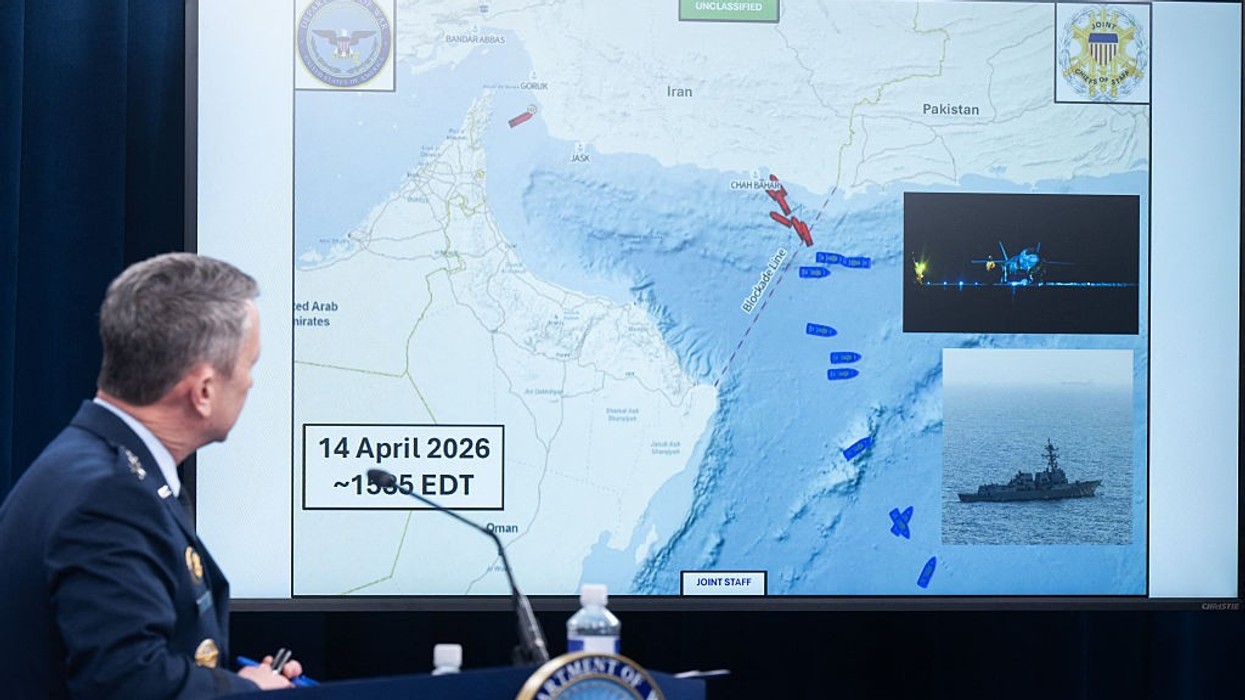
These incidents come as the US continues its blockade in the region. Over the weekend, US naval forces boarded an Iranian-flagged cargo ship after Iran had effectively shut down the busy shipping route for weeks.
Meanwhile, president Donald Trump has said he will extend the ceasefire with Iran until further progress is made in talks between the two countries. However, the situation remains unclear. Vice president JD Vance did not travel to Pakistan as expected for discussions, and Iran has not officially responded to Trump’s announcement.
An Iranian adviser, Mahdi Mohammadi, dismissed the ceasefire extension, saying it “means nothing” and is “certainly a ploy to buy time for a surprise strike”. He added that the ongoing “siege” by the US is “no different from bombardment” and must be “met with a military response”. He also said: “The time for Iran to take the initiative has come.”
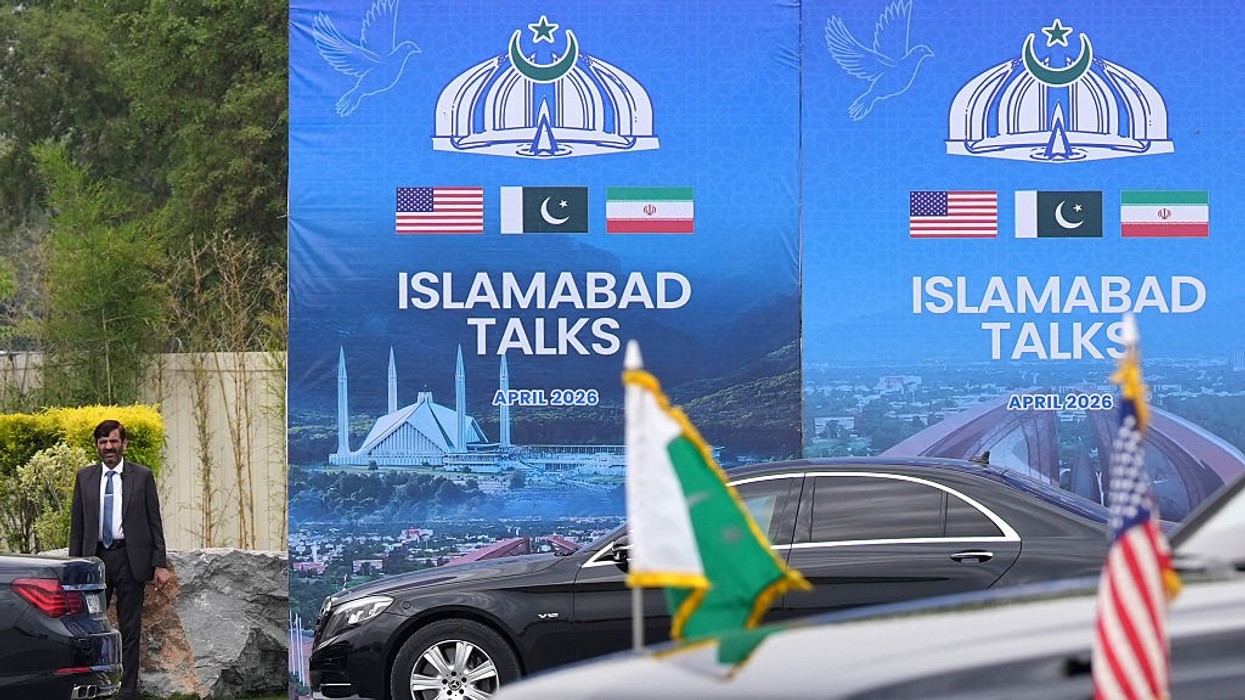
In Pakistan’s capital, Islamabad, preparations for another round of talks are still in place. However, hopes for a meeting this week appear to have faded for now.
The conflict is also having global economic effects. Officials say fuel prices saw their biggest annual rise in over three years. “This is not our war, but it is pushing up bills for families and businesses,” said Chancellor Rachel Reeves.
There are also warnings that food prices could rise in the coming months. Meanwhile, China has lowered petrol and diesel prices for the first time since the conflict began, reflecting shifts in global oil markets.