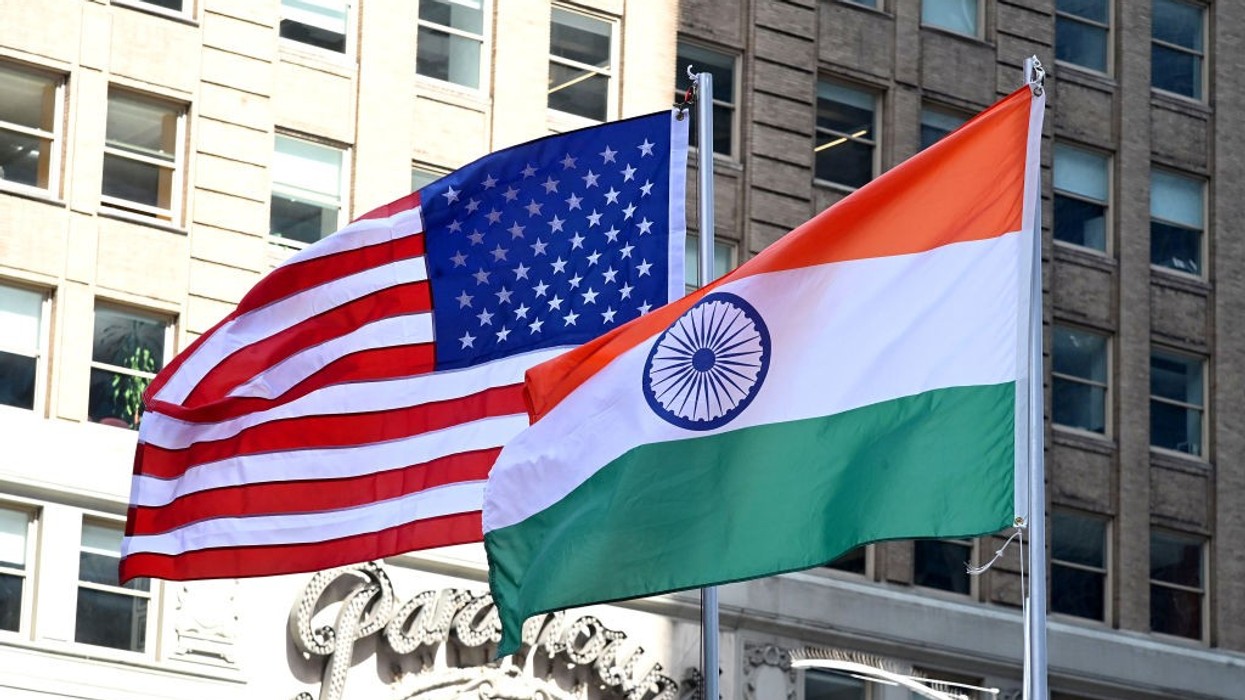

- Sachs expects India to overtake the US as the world’s second-largest economy within 25 years.
- He says closer economic ties with China could accelerate India’s growth.
- Sachs argues the global economic center of gravity has shifted back to Asia.
India could overtake the United States to become the world’s second-largest economy within the next 25 years and eventually rise to No. 1, according to economist Jeffrey Sachs.
The bigger surprise in his forecast, however, is what he believes could help India get there: closer economic ties with China.
Sachs, a professor at Columbia University, said India and China could become the world’s two largest economies in less than a quarter century, with the US falling to third place.
“I'm looking at the time just in less than a quarter century now when India and China will be the two largest economies in the world. The United States will be third at that point. At some point in this century, India will be the world's largest economy,” Sachs said in an interview with India Today.
His argument rests partly on India’s growth and demographics. Sachs said India is already growing faster than other major economies and has the potential to accelerate further.
“India is on a very rapid development trajectory. India is going to be a larger country. India is going to be more populous country,” he said.
While China’s population is declining, India’s population is already larger and could pull further ahead, giving the country a potentially significant long-term demographic advantage.
Yet Sachs believes India’s relationship with China could be just as important as its demographics.
Sachs wants India to look differently at China
Sachs described India-China ties as “the most important bilateral relationship in the world”, arguing that the two countries have economic reasons to cooperate despite their border dispute and long-standing mistrust.
“China needs India just as India needs China,” Sachs said.
He argued that greater Chinese investment, joint ventures, trade and technology cooperation could accelerate India’s economic expansion.
“India's growing the fastest of all the large countries right now and foreign investment from China in all kinds of joint ventures would accelerate that even more,” he said.
That is a striking proposition at a time when India has been trying to reduce its dependence on China in strategic sectors and build alternative supply chains.
Sachs also suggested that better relations with Beijing could help address some of New Delhi’s concerns about China’s relationship with Pakistan.
His broader argument is that India should not view its rise primarily through the lens of competition with China or alignment with the West.
He sees a world that is increasingly divided among several major powers rather than dominated by one.
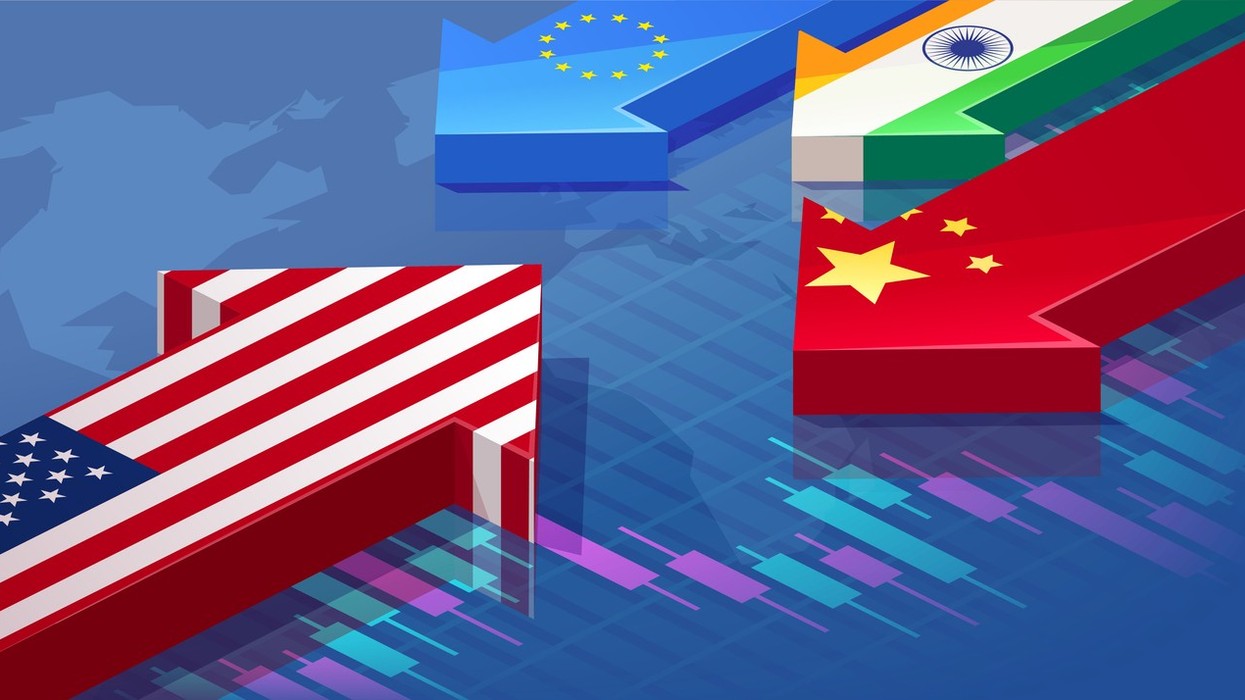
“There are four superpowers by my count. United States, Russia, India and China and they do need to get along with each other,” Sachs said.
He rejected the idea that China’s economic rise would automatically result in Chinese dominance.
“But in my view, China no way is going to run the world,” Sachs said. “We're in a world beyond hegemonies now. We're in a world of multiple powers of which India is one and that is the world to make safe through multilateralism.”
The center of gravity is moving east
Sachs places India’s rise within a much bigger shift in the global economy.
“The center of gravity of the world economy has moved back to Asia where it was for 2,000 years and then briefly departed after 1800. It's moved back to Asia,” he said.
That shift, in his view, means India’s relationships with China, ASEAN, Africa and the Gulf will become increasingly important.
He also sees India’s geography as an advantage. As a major Indian Ocean power, India could benefit from deeper economic connections across the region as Asia becomes increasingly central to global trade and investment.
Sachs has also challenged India’s strategic relationship with the US.
He called the Quad an “anti-China play” and argued that India should leave the grouping rather than allow its relationship with China to be shaped by Washington.
“First of all, the Quad is an anti-China play and India is being used in that. India has no business being part of the Quad. For heaven's sake, get out of that. India's relations with China should not be manipulated by the United States. They should be on a bilateral basis. So India should leave the Quad. Period.”
Those comments reflect Sachs’s broader argument that India’s future strategy should be built around a multipolar world rather than dependence on any single geopolitical bloc.
He also outlined three priorities he believes BRICS should pursue: ending the war involving Iran, developing a multi-currency payments system to reduce exposure to unilateral US sanctions, and strengthening the United Nations.
“First, BRICS should tell the United States, "Stop this horrendous war against Iran." Second, BRICS should move to a multi-currency payment system so that the United States cannot enforce unilateral sanctions on India or any other country. And third, the BRICS should say, "We support the UN. We want a secretary general who is strong, independent for the whole world."”
For India, Sachs’s forecast is ultimately about more than overtaking the US on an economic ranking.
His central argument is that the world India is preparing to compete in may look very different from the one that shaped the past few decades. Asia is becoming the center of global economic activity, China remains an enormous economic power, and India’s ability to work with — rather than simply compete against — its biggest Asian neighbor could influence how quickly it reaches the top.
If Sachs is right, India’s route to becoming the world’s largest economy may not run only through Washington, Europe or its own domestic market.
It could also run through Beijing.


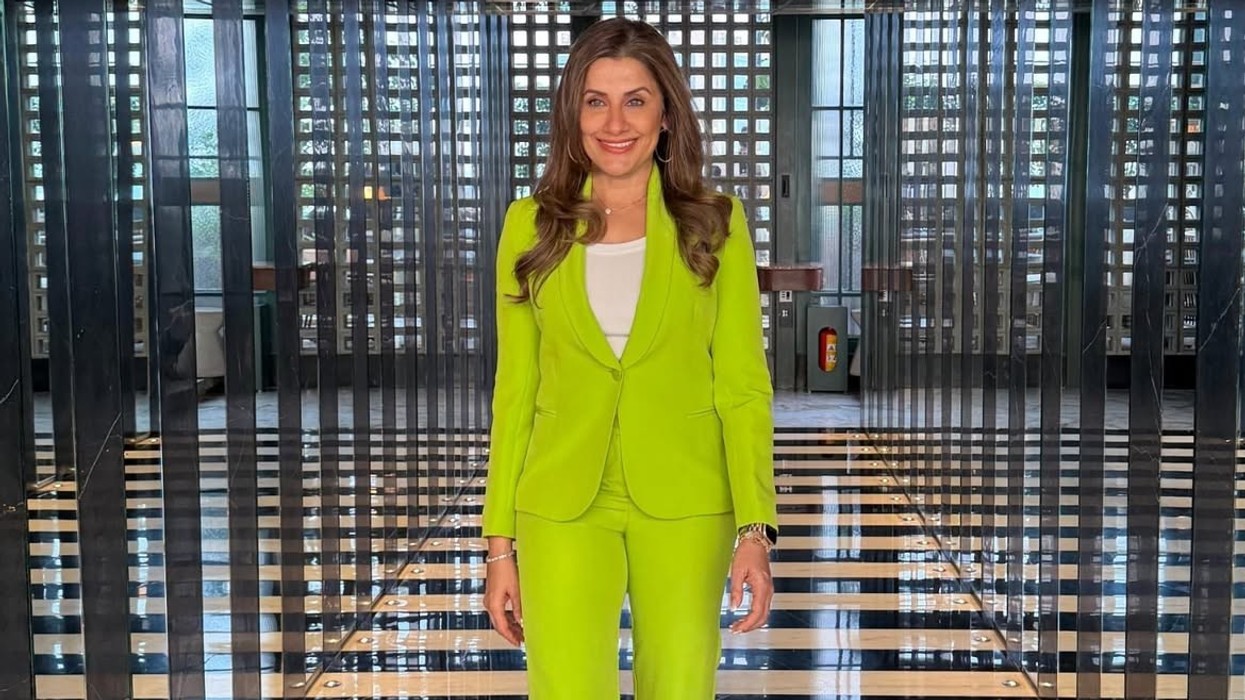



 Her journey reflects the transformation of the Indian American and broader south Asian community in the US.LG Miller
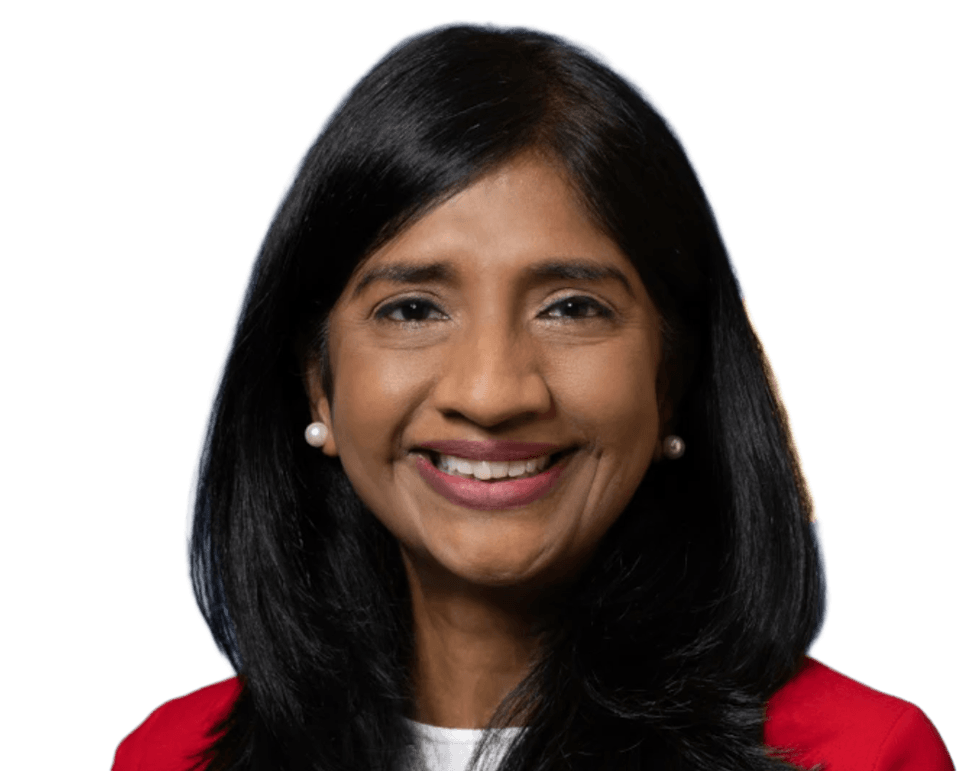 Lt Gov Miller represented District 15 through January 2019 and later served on the Maryland State Ethics Commission from 2019 to 2021. Lt Gov Aruna Miller
 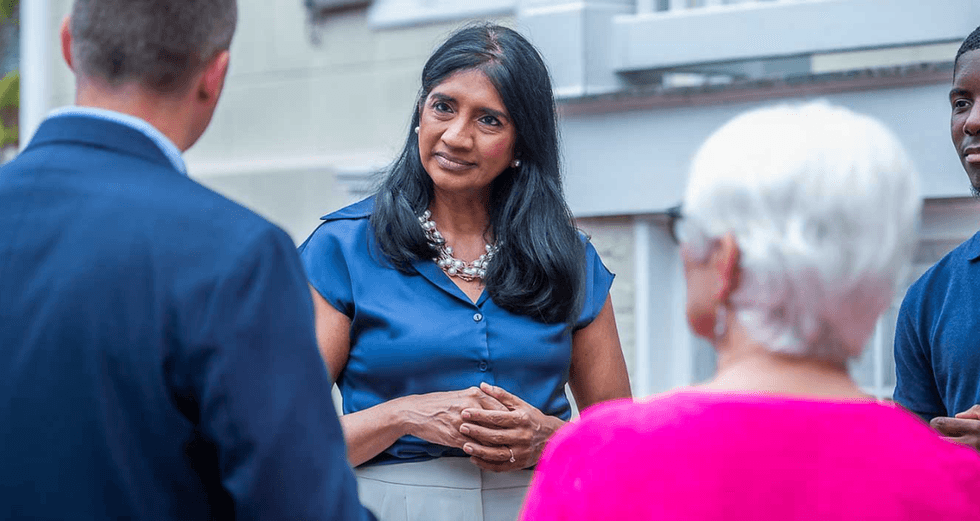 Miller is now seeking a second term alongside Gov. Wes Moore.LG Miller