
- Indian mangoes are selling out quickly in US supermarkets.
- A box of premium mangoes costs between $50 and $60.
- American buyers are driving much of the demand.
- Alphonso, Kesar, Langra, and Banganapalli are the most popular varieties.
- Indian mango exports to the US have sharply increased after Covid-19.
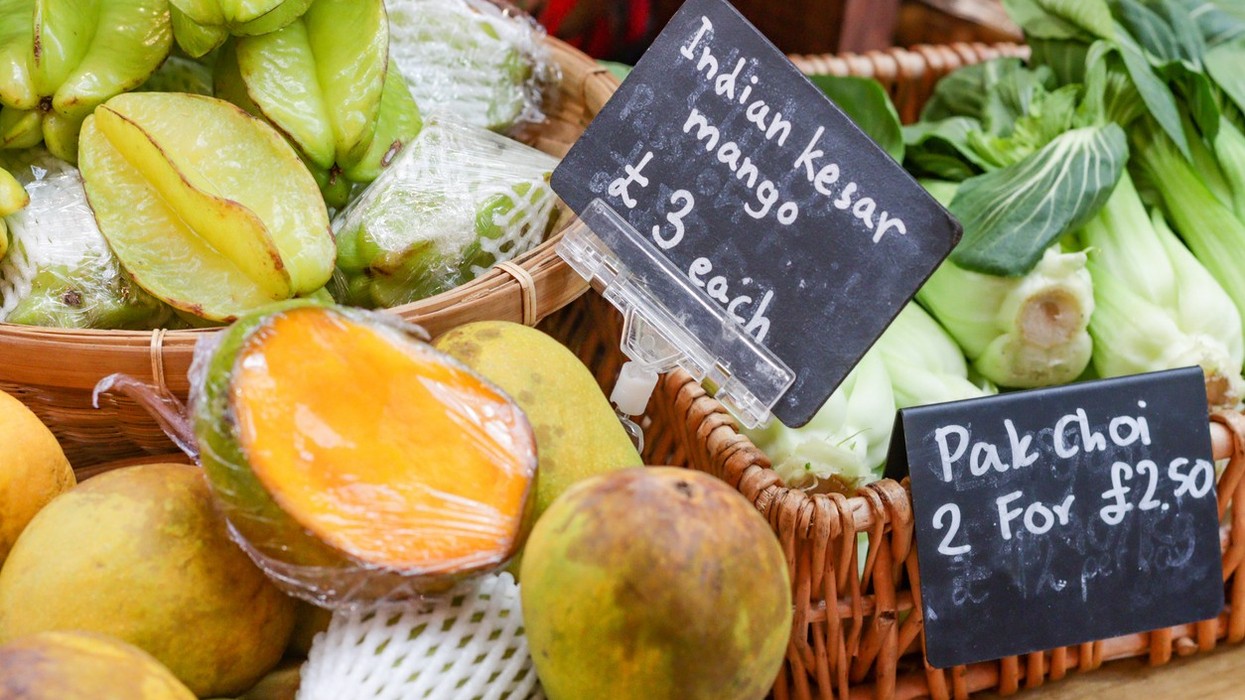
Indian mangoes are creating huge excitement across the United States. Supermarkets in cities like Seattle recently witnessed customers rushing to buy freshly imported Kesar mangoes, with stocks disappearing within hours. Videos from stores showed long queues and eager buyers waiting for the prized fruit. The growing popularity of Indian mangoes has even led to the phrase “Aamericans,” highlighting how Americans are falling in love with India’s favorite summer fruit.
The latest shipment reached the US after a year-long effort led by the Indian Consulate in Seattle. India’s Consul General in Seattle, Prakash Gupta, described the effort as “mango diplomacy” during an appearance on a Fox 13 News segment. He explained that mangoes hold emotional value for Indian families and often bring people together.
Even though the US imports most of its mangoes from nearby Mexico, Indian varieties are becoming highly sought after because of their rich taste, aroma, and seasonal appeal.
Why Indian mangoes are becoming so popular
India is the world’s largest producer of mangoes, producing more than 25 million metric tons annually. However, only a very small portion of this production is exported. Indian mangoes are delicate because of their thin skin, which makes long-distance transport difficult. Most exports traditionally go to Middle Eastern countries, but demand in the US has been rising rapidly.
American consumers are increasingly drawn to premium Indian varieties such as Alphonso from Maharashtra, Kesar from Gujarat, Langra and Chausa from northern India, and Banganapalli from Andhra Pradesh. These mangoes are known for their sweetness, strong fragrance, juicy texture, and limited seasonal availability.
Their exclusivity has pushed prices much higher than regular mangoes available in US stores. A box containing around 10 to 12 mangoes now sells for $50 to $60, compared to around $40 last year. In some cases, special subscription services offering weekly mango deliveries during the season can cost close to $1,000.
Interestingly, reports suggest that many of the most loyal buyers are Americans rather than Indian-origin consumers. Importers say that while Indian customers often complain about rising prices, American buyers are willing to pay extra for the premium experience.
Importers also point to rising air freight costs and tariff uncertainties as reasons behind the price increase. Ongoing disruptions in international shipping routes have further increased transportation expenses.
India’s growing mango exports to America
The United States is one of the world’s largest mango import markets because domestic mango production in the country is extremely limited. US mango imports have grown significantly over the past few years, with total imports crossing one billion dollars in value.
Mexico remains the dominant supplier due to its geographical advantage, lower shipping costs, and year-round supply. Countries such as Peru, Ecuador, Brazil, and Thailand also export mangoes to the US market.
India’s share is still very small compared to these countries, but Indian mangoes occupy a premium niche. Consumers view them as specialty fruits rather than everyday produce.
Indian mango exports to the US have also recovered strongly after the Covid-19 pandemic. Exports collapsed during the pandemic because of disruptions in global trade and air cargo movement. However, shipments increased rapidly once international logistics improved.
Indian mango exports to the US stood at just over 1,000 tonnes in 2019-20 before falling sharply during the pandemic. Since then, exports have steadily climbed, crossing 2,100 tonnes in 2024-25.
This recovery reflects the growing appetite for Indian mangoes among both the Indian diaspora and American fruit lovers looking for unique flavors.
The long journey from ban to luxury fruit
Indian mangoes were not always easily available in the United States. In fact, they were banned for nearly 18 years because of concerns about pests such as fruit flies and mango stone weevils.
Between 1989 and 2007, the US Department of Agriculture restricted imports of Indian mangoes. During this period, many Indians living in America relied on friends and relatives traveling from India to secretly carry Alphonso mangoes in their luggage.
The situation changed during diplomatic discussions linked to the US-India civil nuclear agreement in 2006. Mangoes unexpectedly became part of the broader talks between former US President George W. Bush and former Indian Prime Minister Manmohan Singh.
Reports say Bush tasted an Alphonso mango during his India visit and praised it enthusiastically. Soon after, both countries agreed to work toward lifting the ban, allowing Indian mangoes to officially return to American markets in 2007.
Today, Indian mangoes continue to hold symbolic importance in US-India relations. They are often exchanged during diplomatic meetings and cultural events.
Despite growing popularity, exporting Indian mangoes to the US remains expensive and complicated. Strict quality checks, limited approved facilities, high shipping costs, and the fruit’s delicate nature continue to create challenges. Yet these very difficulties have made Indian mangoes even more desirable, turning them into a luxury seasonal favorite across America.