Hours after media reports quoted sources in the Indian defence establishment that India and Chinese troops completed disengagement at Patrolling Point (PP) 15 in the Gogra-Hot Springs of eastern Ladakh in a "phased, coordinated, and verified manner", it was claimed that New Delhi actually ended up conceding to the creation of a "buffer zone" in its own territory while agreeing with the northern neighbours to withdraw troops from PP 15 on the Line of Actual Control.
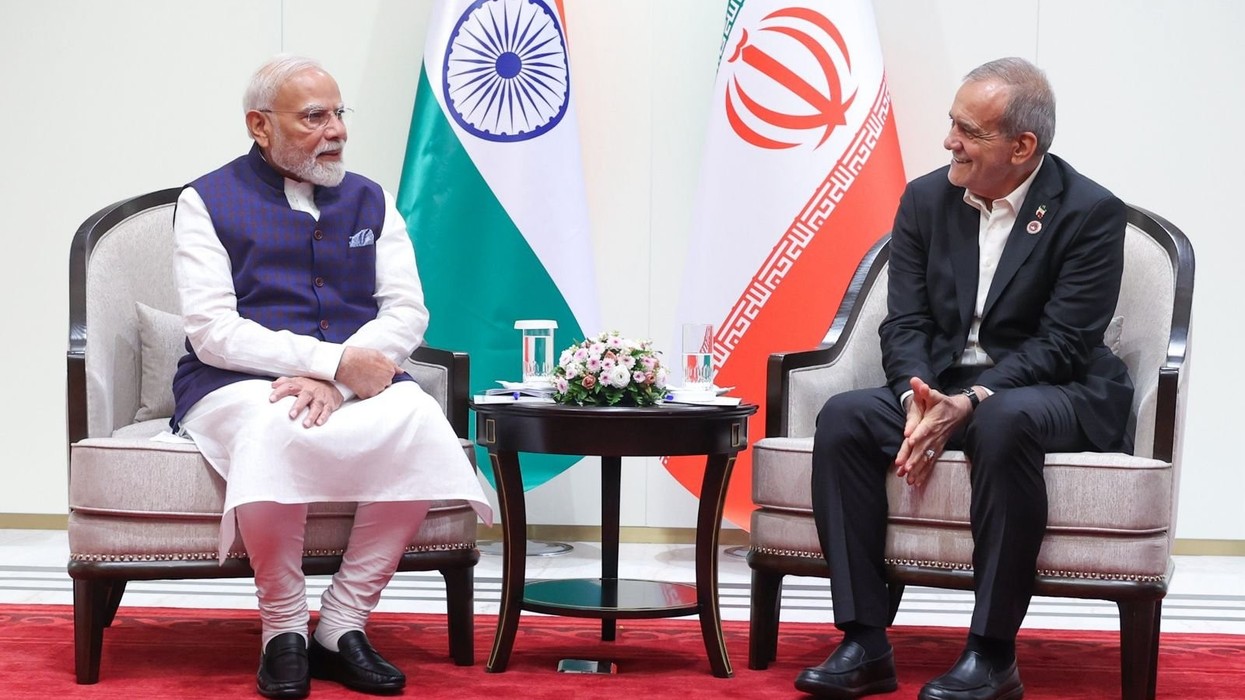
The disengagement came just days after the Shanghai Cooperation Organisation summit where both Indian prime minister Narendra Modi and Chinese president Xi Jinping will be present.
A report in India's Deccan Herald newspaper quoted Konchok Stanzin, a councillor of the Ladakh Autonomous Hill Development Council (LAHDC), alleging this.
Stanzin told the daily that the disengagement of the troops saw India agreeing with China to withdraw its troops not only from the face-off point at PP15 but also PP16 to Karam Singh Hill. According to him, India turned its own territory along the LAC with China into a "buffer zone" with a moratorium on patrolling.
He also feared that withdrawing Indian troops from PP16, where they had a permanent post for decades, could see Krugang Valley, which is used by the local people for grazing cattle, into a disputed territory between the two neighbours. He said the local people were unhappy over the loss of Indian territory to China.
“Very important Kugrang Valley got disputed. Miles of land become a buffer zone from the Indian side. But who cares about local feelings?” Stanzin, who is elected to LAHDC from Chinsul in Ladakh, posted on Twitter in response to a tweet by Subramanian Swamy, a former parliamentarian of India's ruling Bharatiya Janata Party.
Swamy tweeted on Tuesday (13), “Chinese are laughing away on Indian media reports quoting Modi Govt that India and China have vacated to either side of LAC. Truth: China has withdrawn from Indian land and India has withdrawn from Indian land. Thus, China claims: “What mine in mine and what is your is also mine.”
The Herald report said that earlier disengagement of troops in Galwan Valley in June 2020; in the northern bank of Pangong Tso in February 2021 and in Gogra Post in August 2021 also saw India agreeing with China for creating "buffer zones" and moratorium on patrolling.
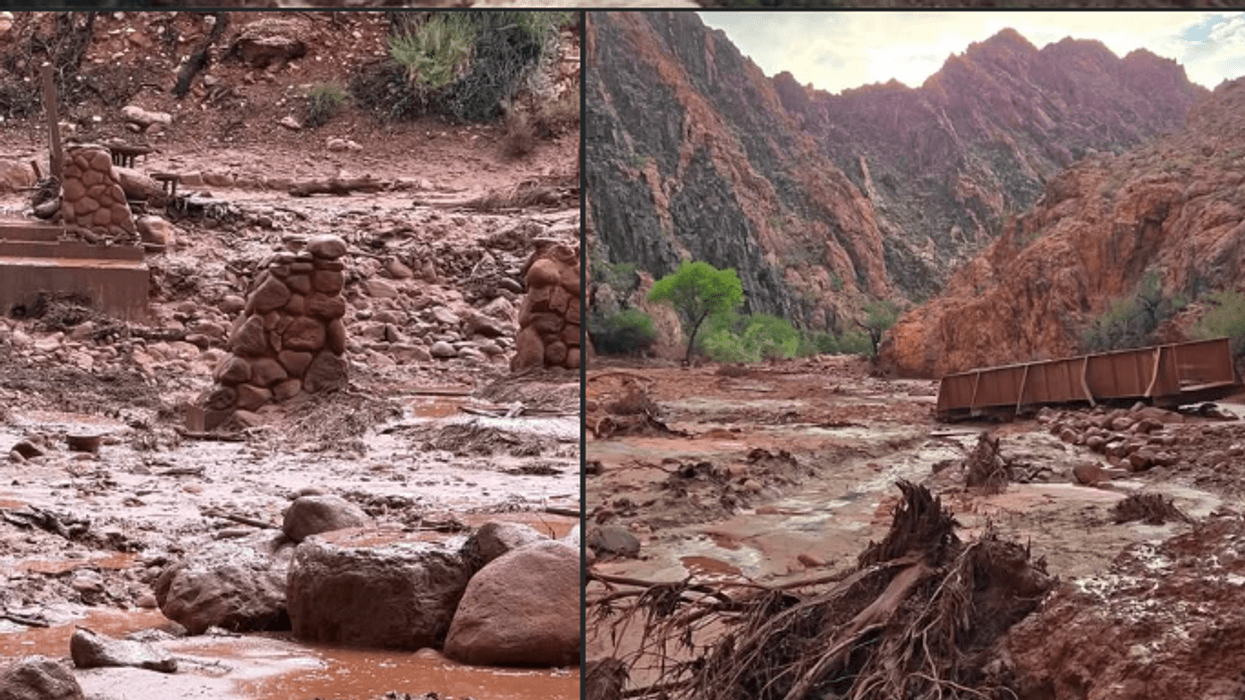





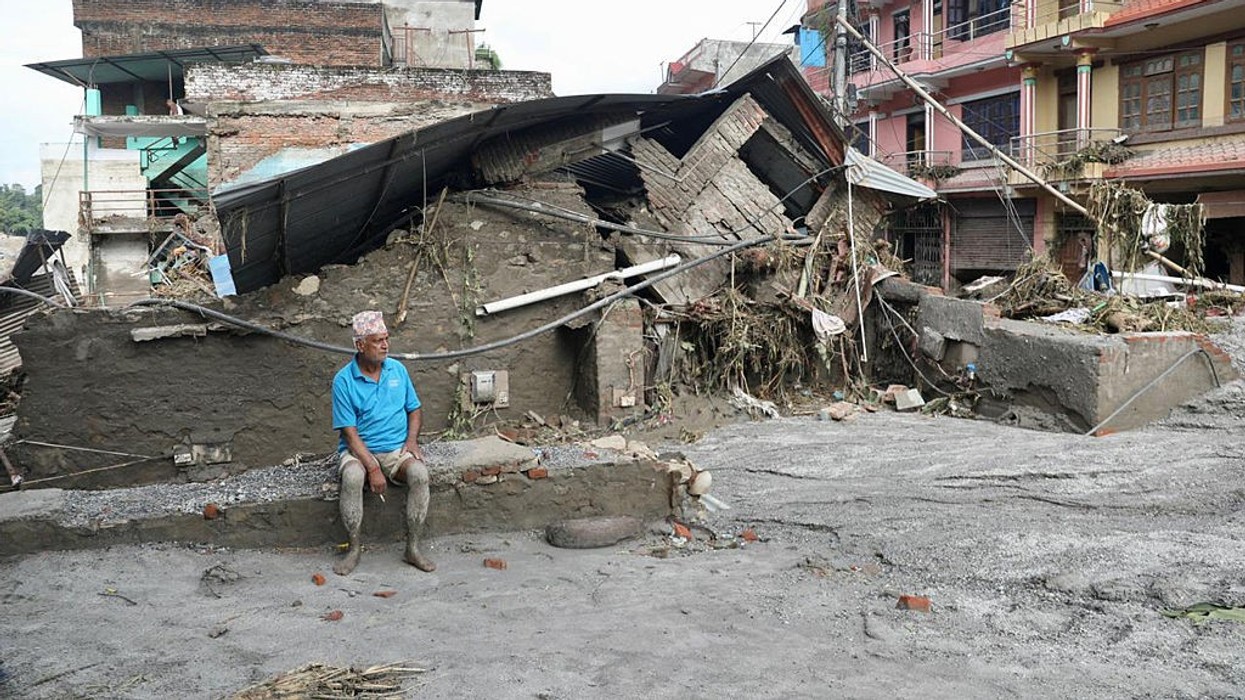
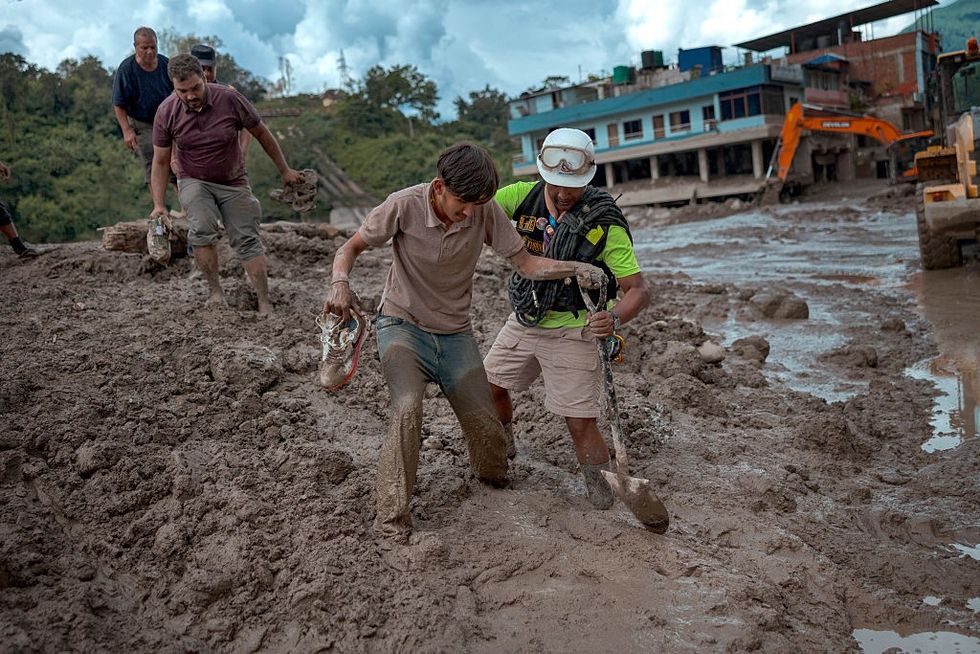 A rescuer assists a resident through heavy mud following flash floods on August 27, 2026 in Trishuli, Nepal. A sudden flood swept through the Bhote Koshi River basin in northern Rasuwa on August 26, damaging settlements, roads and energy infrastructure as rescue teams searched for residents and foreign travellers reported out of contact. Hundreds were reported missing, as the death toll started to climb.Getty Images
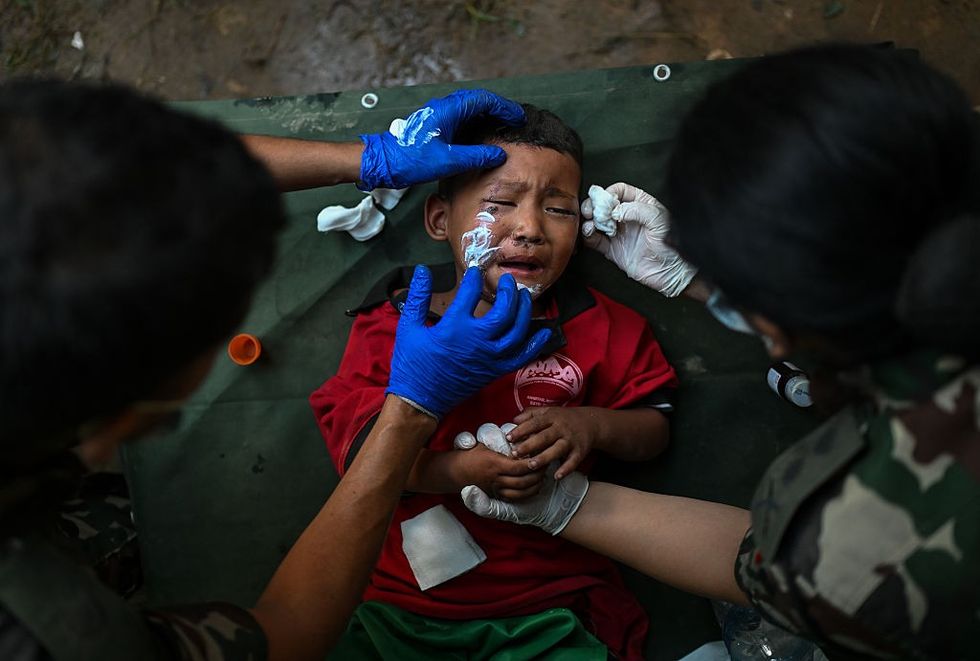 Rescue personnel provide medical treatment to a child at an army rescue camp in Trishuli Batar, Nepal, on August 27, 2026. A sudden flood swept through the Bhote Koshi River basin in northern Rasuwa on August 26, damaging settlements, roads and energy infrastructure, as rescue teams searched for residents and foreign travellers reported out of contact. Hundreds were reported missing as the death toll began to climb. Getty Ima
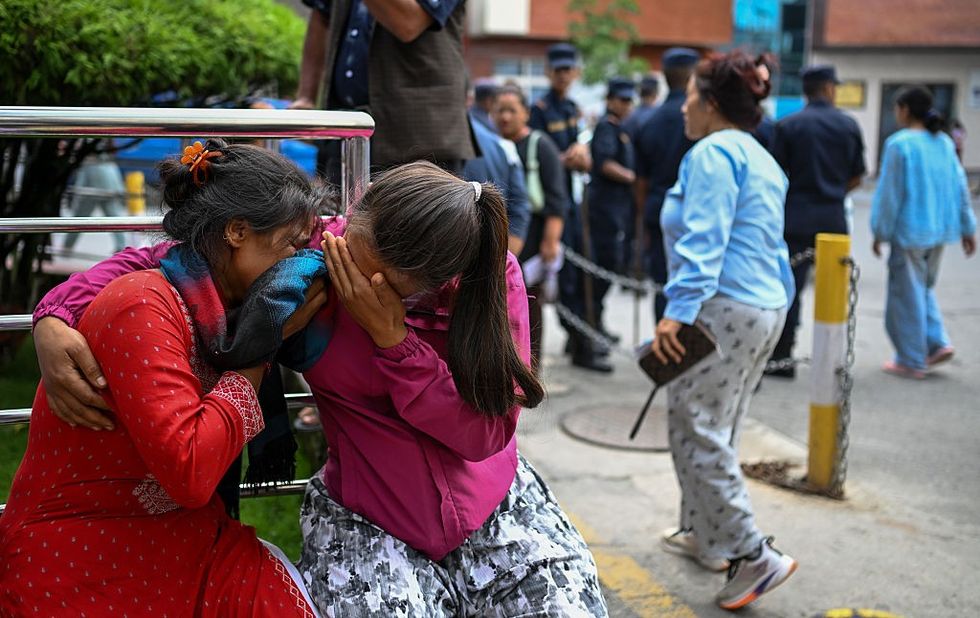 Family members of missing flood victims react at the emergency ward of the Maharajgunj Medical Campus, part of the Tribhuvan University Teaching Hospital, on August 28, 2026 in Kathmandu, Nepal. Authorities said the flash floods were triggered after a mass of ice, mud and rock collapsed into a Himalayan river near the Nepal-China border, leaving hundreds dead or missing and causing widespread damage in affected districts. Authorities continued the gruelling search for victims, many buried under metres of mud, as both China and Nepal issued fresh flooding alerts.Getty Images

 Claude.in