
Highlights:
- EV market share in California fell to 13.7 per cent in early 2026
- Total EV registrations dropped more than 40 per cent year-over-year
- Federal tax credit removal cited as major reason for decline
- Hybrid vehicle sales surged as buyers seek alternatives
- Experts say EV demand could recover over time
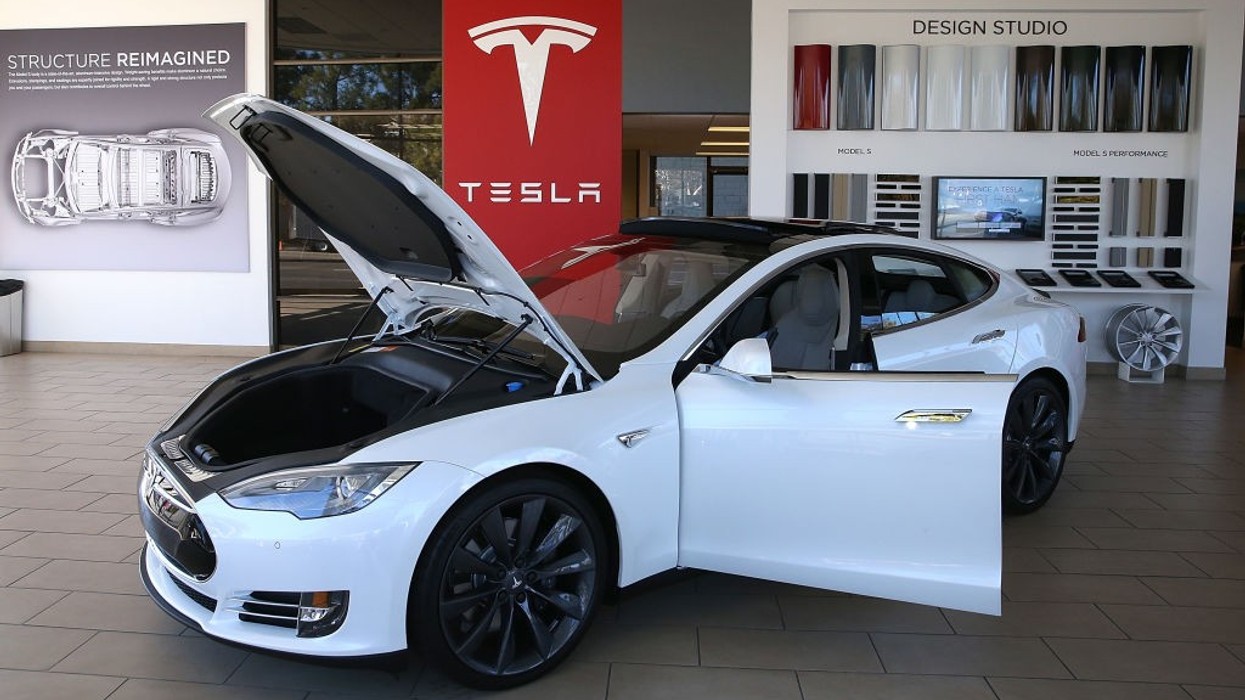
California's push to reach 100 per cent electric vehicles by 2035 maybe facing challenges as new data shows a noticeable decline in recent months. A report from the California New Car Dealers Association reveals that zero-emission vehicles made up just 13.7 per cent of the market in the first quarter of 2026. This is a significant drop from 21 per cent recorded across all of 2025 and represents the lowest share since late 2021.
The report also highlights that total electric vehicle registrations fell by more than 40 per cent compared to the same period last year. Overall, new vehicle registrations in California declined by 8.9 per cent year-over-year, a steeper decrease than the 4.6 per cent drop seen across the United States.
Experts say federal policy changes are playing a major role in this trend. Ethan Elkind, Director of the Climate Program at UC Berkeley Law, pointed directly to recent decisions made at the national level.
"This is the result of policy choices at the federal level," Elkind said.
One key change was the removal of the $7,500 federal tax credit for electric vehicle buyers, which ended in September under the administration of Donald Trump. Without this financial incentive, experts say it is not surprising that EV sales have dropped.
Additional federal actions have also affected the market. Lawmakers moved to weaken fuel economy standards and removed California’s authority to require automakers to sell more zero-emission vehicles. According to Elkind, these changes have reduced pressure on manufacturers.
"If auto makers don't comply with federal fuel economy standards, there's no penalty for them. They can get away with it without any monetary damage," Elkind said. "There's now no incentive to comply with federal fuel economy standards, and they no longer need to comply with California's zero emission vehicle mandate."
Despite the decline, experts believe the slowdown may not be permanent. Elkind points to improvements in battery technology and increasing global competition, particularly from China, as factors that could lower prices and boost adoption in the future.
"There's a global market for these electric vehicles. They're very inexpensive and as this progress continues and prices come down, at a certain point, there's not a lot we can do policy-wise to keep these vehicles out," Elkind said.
In the meantime, many consumers appear to be turning to hybrid vehicles as a compromise. The report shows that more than 80,000 hybrids were sold in the last quarter alone. Hybrid vehicles accounted for over 20 per cent of all new car sales in California, nearly matching the peak market share that electric vehicles achieved last year.
Autumn Heacox, a spokesperson for the association, says consumer concerns are also influencing buying decisions.
"Californians want an electric vehicle, they want the gas savings that come with an electric vehicle, but they still have some anxiety around charging infrastructure, charging capabilities," she said. "EVs require a lifestyle change in a lot of cases."




 Popular AI virtual assistant apps on a smartphoneiStock
 The biggest use case for gen AI is in travel planning and researchiStock
 Popular travel booking and preparation apps seen on a smartphoneiStock