Highlights:
- Marco Rubio said US-India ties “has not lost any momentum.”
- Trump’s tariffs on Indian imports were defended as global policy.
- Immigration restrictions have raised concerns among Indians in the US
- India and US discussed trade, defense, and technology cooperation.
- Both sides reaffirmed a “strategic alliance” despite tensions.
Secretary of state Marco Rubio said on Sunday (24) that the United States remains committed to its strategic partnership with India, even as president Donald Trump’s trade and immigration policies have created tensions.
Speaking at a news conference in India's capital New Delhi during a four-day visit, Rubio said the bilateral relationship remains stable. “The US-India relationship has not lost any momentum,” he said. “The relationship continues to be strong.”
Rubio met Indian prime minister Narendra Modi and other senior officials during the trip. He said the United States wants to continue expanding cooperation with India in trade, investment, and advanced technologies.
He also defended Trump’s tariff policies, which have affected Indian exports. Rubio said the tariffs were part of a broader global trade strategy and not directed specifically at India.
And he said Mr. Trump’s efforts to impose tariffs on Indian imports to the United States — a 50 percent in initial salvos last summer — were not aimed at India specifically but were part of a global effort to create better balances of trade for the United States.
He added that global trade imbalances needed correction. “There’s a huge imbalance that’s built up and it needs to be addressed,” he said. “This is not about India.”
The remarks came amid concerns in India over Washington’s trade and immigration actions. The Trump administration has pursued tariffs on multiple countries and tightened immigration rules, affecting Indian professionals, especially in the technology sector.
Trade tensions and policy clarifications
Rubio said commercial relations remain a key part of the U.S.-India partnership. He described the relationship as a “strategic alliance” focused on long-term cooperation.
He also said the tariffs are part of a wider economic policy shift and not targeted measures against India. However, earlier trade actions had included high tariff rates on Indian goods, which have affected bilateral trade flows.
The two countries reached a temporary trade arrangement in February, though broader negotiations continue. The Trump administration has also faced legal and political challenges over its tariff strategy.
Trump’s actions have upended more than two decades of US policy toward India. From the early 2000s until now, Republican and Democratic administrations, including Trump’s first one, sought to forge closer ties with India, the world’s most populous nation.
Immigration concerns and policy debate
Rubio also addressed concerns about US immigration policy, which has become a major issue for Indian nationals living in the United States. Many Indian professionals, particularly in the technology sector, are affected by changes in visa and green card rules.
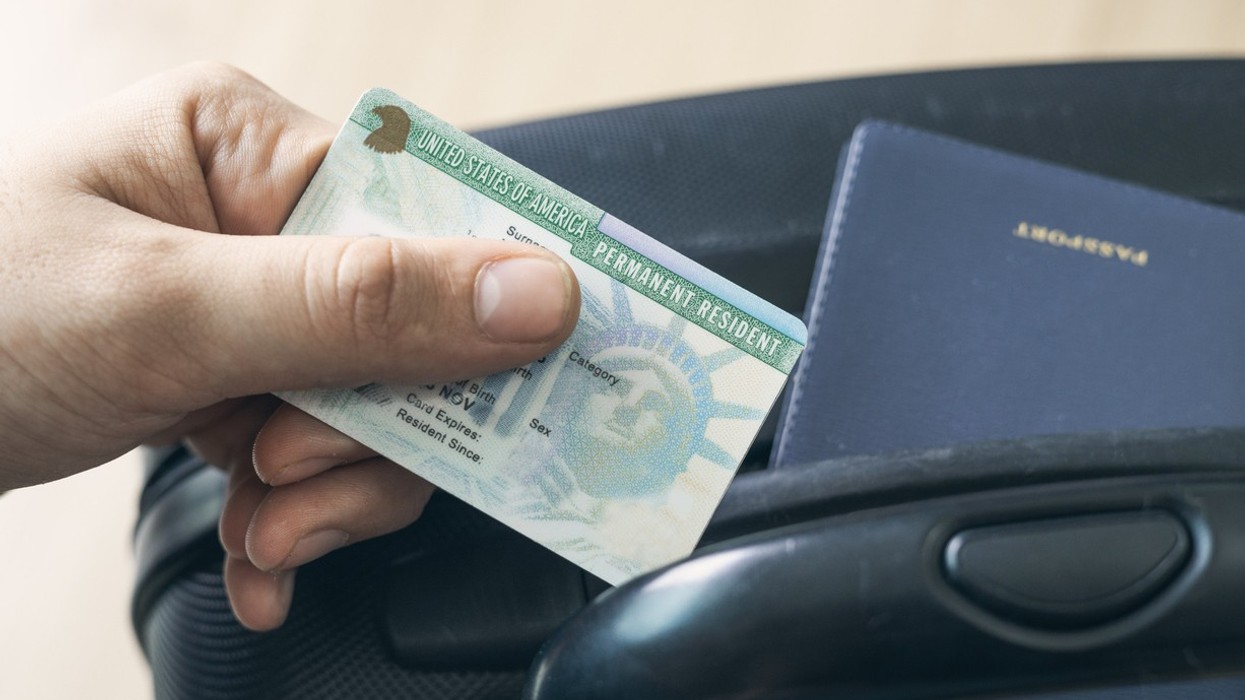
On Friday (22), the Trump administration announced that most immigrants applying for green cards would need to leave the United States while their applications are processed. This change has raised uncertainty among long-term visa holders.
“We are modernizing the US immigration system for the 21st century,” Rubio said.
Indian concerns have also grown due to broader restrictions on legal immigration. Many Indian citizens working in the US tech industry rely on long-term visa pathways to obtain permanent residency.
During the press interaction, Rubio was asked about recent racist remarks against Indians in the United States. He responded, “There’s stupid people in the United States that make dumb comments all the time.”
Diplomatic engagement and strategic outlook
Standing alongside Rubio, India’s foreign minister Subrahmanyam Jaishankar emphasized that both countries follow national-interest-driven policies. He said, “the Trump administration has been very forthright in putting forward its foreign policy as ‘America First.’” He added, “We have a view of ‘India First.’”
Rubio’s visit included meetings with Indian officials and discussions on trade, defense, and global security issues. The State Department said he also delivered an invitation from President Trump for Prime Minister Modi to visit the White House.
According to a summary of the meeting between Rubio and Modi, both sides discussed strengthening trade and defense cooperation and addressing global conflicts, including tensions involving Iran.
Rubio said that cooperation with India remains central to US foreign policy and described commercial ties as the foundation of the broader relationship.
He said, “I don’t view our relation with any country in the world as coming at the expense of our strategic alliance with India.”
The visit comes at a time when broader geopolitical dynamics, including US-China relations and US-Pakistan engagement, are being closely watched in India. Rubio reiterated that ties with other countries would not undermine the US-India partnership.
Despite political and economic tensions, both sides emphasized continuity in engagement and the importance of maintaining the strategic partnership between the world’s two largest democracies.


 A traveller preparing to board an American Airlines FlightiStock