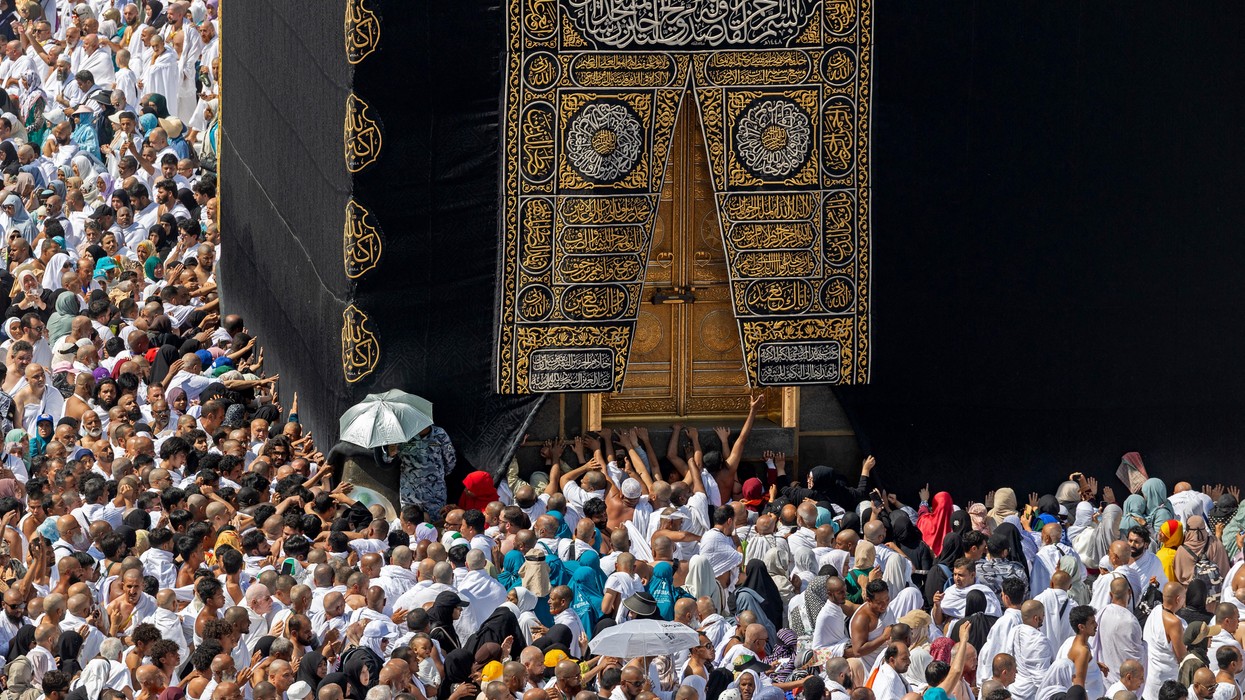

MUSLIMS are projected to become the world’s largest religious group by 2035, overtaking Christians, according to a new study released by the Pew Research Center on Wednesday (18). The projections suggest that, if current demographic trends continue, the number of Muslims worldwide will exceed 3.6 billion by 2070, compared with just under three billion Christians.
The study also forecasts changes in the religious composition of India and other countries, including a rise in the number of Hindus worldwide but a slight decline in their share of the global population.
The world’s population is projected to grow by 29 percent between 2020 and 2070. During the same period, the Muslim population is expected to increase by 80 percent, while the Christian population will grow by 30 percent.
“The largest source of new members of major religions is not adults who convert to the faith, but babies who are born into the group,” the Pew projections found.
Differences in fertility rates are expected to play a major role in these changes. Between 2020 and 2025, Muslim women had an average of 3.1 children, compared with 2.5 among Christian women. The average for women belonging to all other religious groups was 1.6 children, below the 2.1 level considered necessary for each generation to replace itself.
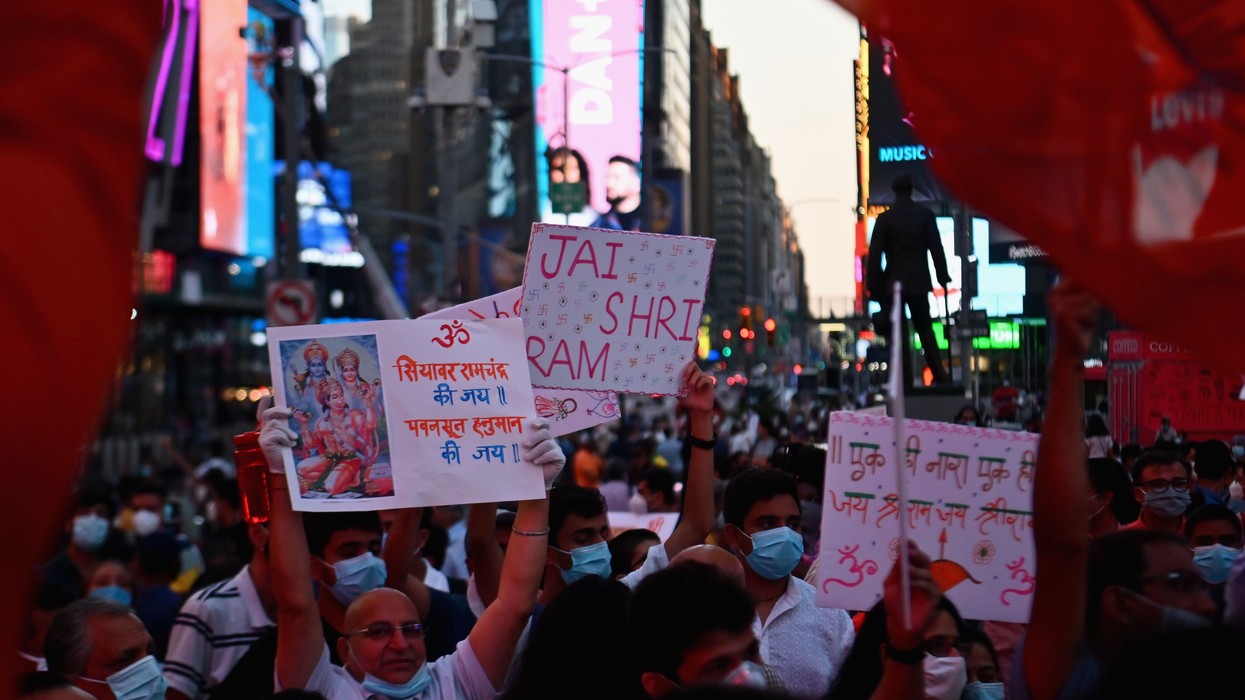
The number of Hindus worldwide is projected to rise from 1.2 billion in 2020 to 1.4 billion in 2070. However, the rest of the world’s population is expected to grow faster, reducing the Hindu share of the global population from 15 percent to 14 percent.
In India, the Hindu population is expected to increase by 176 million between 2020 and 2070. However, its share of the country’s population is projected to fall from 79.4 percent in 2020 to 75.8 percent by 2070.
The Muslim share of India’s population is expected to rise from 15.2 percent to 19.6 percent over the same period. Although India’s overall fertility rate has declined rapidly in recent decades, Muslim women in the country continue to have more children per woman than Hindu women, the study found.
Outside India, much of the projected growth in the Hindu population is expected to come from Pakistan, which could add more than five million Hindus, and the United States, where the number is projected to increase by more than four million.
The US is expected to have the world’s fifth-largest Hindu population by 2070. India and Nepal are projected to remain the only two countries with Hindu majorities.
The study also forecasts a decline in the number of Buddhists and their share of the global population. This is partly attributed to expected population declines in China, South Korea and Japan. The geographical distribution of Christians is also expected to change. By 2070, more than half of the world’s Christians are projected to live in sub-Saharan Africa. The Democratic Republic of the Congo is expected to overtake the United States as the country with the largest Christian population.
The US is projected to lose its Christian majority, although Christians will remain the country’s largest religious group. Among Muslim-majority populations, Pakistan is expected to have the world’s largest Muslim population by 2070, followed by India, Nigeria and Indonesia. Indonesia currently has the largest number of Muslims.
The study also examines the growth of people who identify as religiously unaffiliated, commonly described as “nones”. The category includes atheists, agnostics and people who do not identify with any religion.
Pew said that, excluding China, where a large share of the population is religiously unaffiliated but the overall population is expected to decline, the number of “nones” in other countries will increase by more than 180 million by 2070.
They already account for more than half of the population in 10 countries, including the Czech Republic, Japan, the Netherlands, New Zealand, Uruguay and Vietnam.
South Korea, France and the United Kingdom are also projected to join that group by 2070, according to the study.




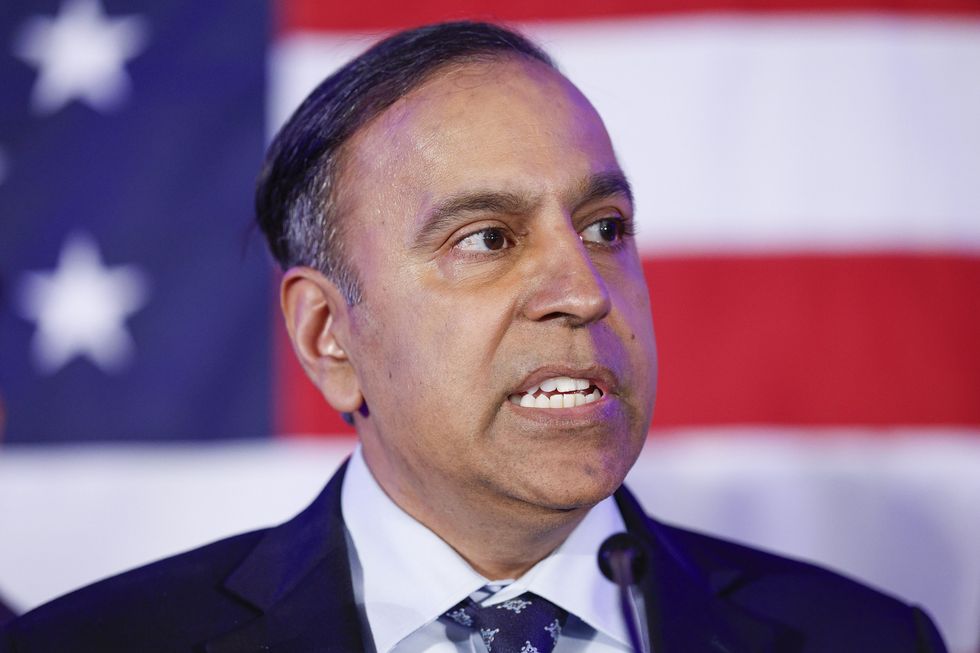 Raja Krishnamoorthi Getty Images
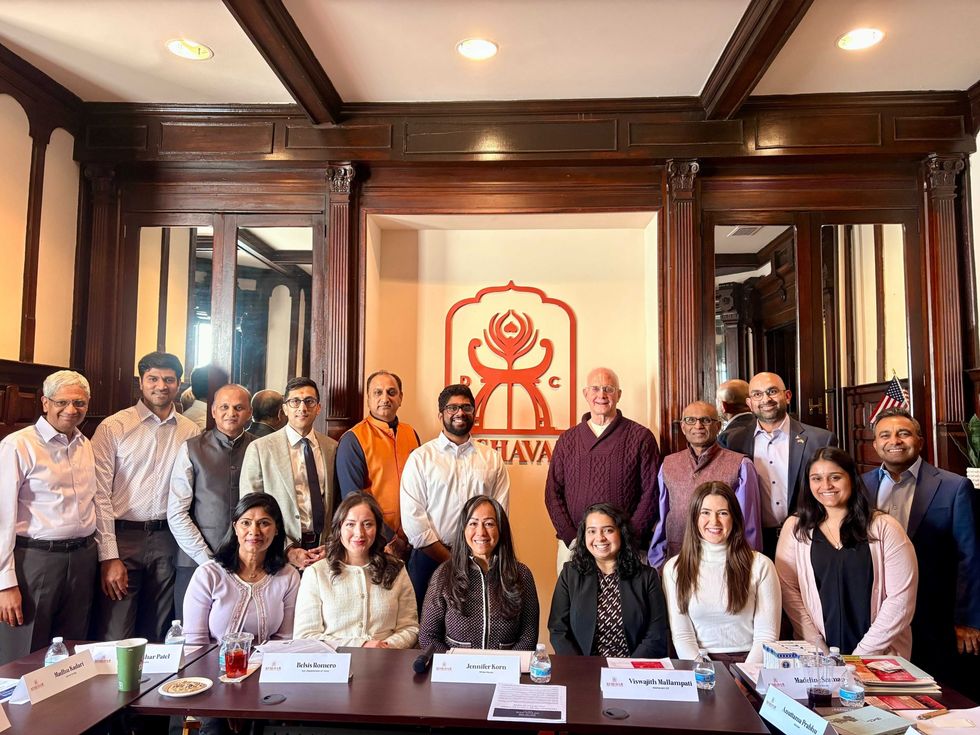 White House officials visit Keshavam, a Hindu temple in Washington, on Wednesday (18) X/ @HinduAmerican
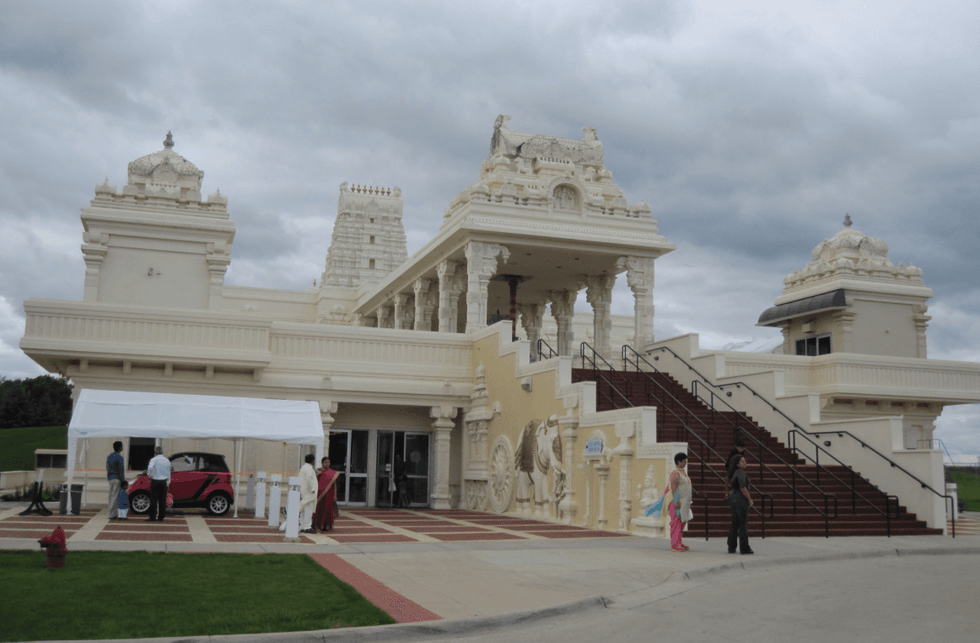 Sri Venkateswara Swami (Balaji) Hindu temple in Aurora, IllinoisWikimedia Commons







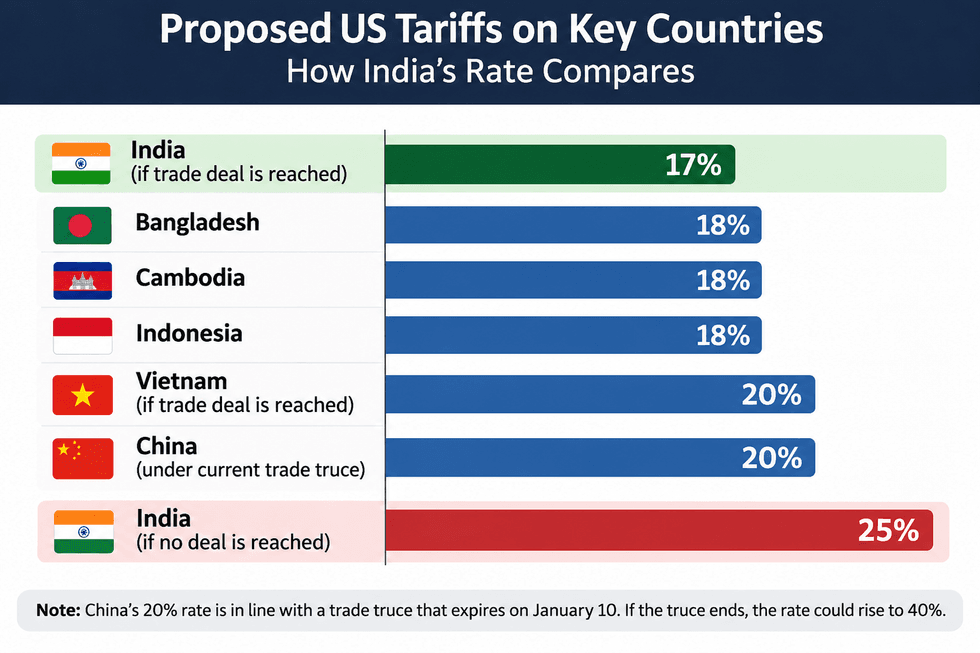 US Tariffs on Key CountriesChatGPT