
- Nike’s first-quarter revenue fell 4 per cent to $11.2bn.
- Its new Pace programme targets $2.5bn in cumulative savings by fiscal 2031.
- More job cuts are expected from 2027 as Nike tries to rebuild its product and consumer appeal.
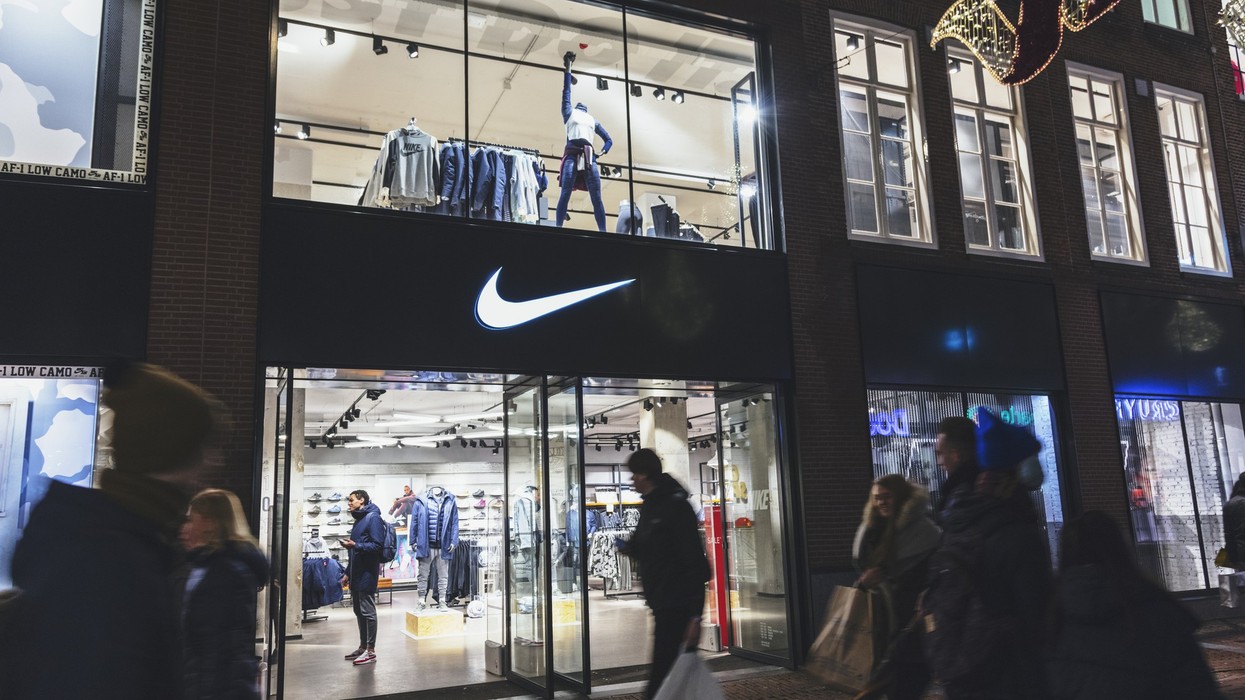
Nike is cutting costs, reshaping its business and preparing for another round of job losses. But the bigger problem facing the world's best-known sportswear brand is harder to fix: getting consumers excited about Nike again.
The company reported fiscal first-quarter revenue of $11.2 billion, down 4 per cent from a year earlier, while net income slipped 2 per cent to $712 million. Nike said declines in Greater China and parts of its international business outweighed growth in North America. Its direct business was also under pressure, with Nike Brand digital revenue falling 13 per cent during the quarter.
Investors reacted sharply. Nike shares fell heavily in premarket trading after the results, adding to a difficult year for the sportswear giant. Reuters reported that the company's latest outlook and restructuring plans added to concerns about the pace of its recovery.
And Nike is not expecting an immediate rebound. It forecasts that fiscal 2027 revenue will decline by a high-single-digit percentage.
That makes the company's new Pace programme particularly important.
“We have more work to do in NIKE Sportswear, Jordan Brand and Greater China, and we’re taking deliberate actions to strengthen those businesses the right way for the long term,” Nike president and chief executive Elliott Hill reportedly said.
Nike's comeback now comes with a $2.5bn price tag
Pace is designed to deliver about $2.5bn in cumulative savings through fiscal 2031. Nike expects around $1bn in pre-tax charges connected with the programme, including employee-related costs, as well as additional severance costs already recognised in fiscal 2026.
That means more jobs will go.
Nike said decisions affecting roles will begin in calendar year 2027 and beyond, although it has not yet given a final figure for how many positions will be affected.
“This work will result in fewer roles across Nike, and I want to acknowledge that news like this creates uncertainty. I don’t take that lightly,” Hill said in a message to employees.
The company has already been cutting its workforce. The latest restructuring is broader than simply reducing headcount: Nike plans to modernise its global supply chain, reorganise its operations into three geographical regions and establish a new campus in Bengaluru, India.
The India campus is intended to build capabilities and access talent, with employees there expected to work across Nike, Jordan Brand and Converse.
The cost savings are therefore only one part of the plan. Nike is trying to change how quickly it develops products, makes decisions and responds to different markets.
That matters because the company's current problems are not confined to its balance sheet.
Nike has spent years building an enormous direct-to-consumer operation, particularly online, while reducing its reliance on traditional retail partners. The strategy initially delivered strong growth, but as consumer spending weakened, the company found itself facing a different problem: competitors were taking up space in the categories where Nike once appeared almost untouchable.
Brands such as On and Hoka have grown rapidly in performance and running footwear, while Nike has been trying to restore the product innovation that once helped it define the market.
Matt Powell, a veteran sports retail analyst and adviser, told the BBC that Nike had made “several strategic errors” that were difficult to reverse.
One of the problems he identified was the company's decision to make some limited-edition products more widely available.
“The more broadly available those shoes became, the fewer people were interested,” Powell said, according to the BBC.
He also argued that Nike's focus on digital operations came at the expense of product development.
From Michael Jordan to Mbappé
Nike's current challenge is particularly striking because the company built its dominance by turning athletes into cultural icons.
The most famous example remains Michael Jordan.
In the mid-1980s, Nike took a huge gamble on the rookie basketball player, committing its entire basketball budget to a player who had not yet played an NBA game. The resulting Air Jordan business became one of the most recognisable franchises in sportswear.
Nike later built relationships with athletes including Tiger Woods, Serena Williams and Cristiano Ronaldo.
But some of that star power has faded.
Tiger Woods ended his relationship with Nike in 2024, while footballer Kylian Mbappé reportedly ended his two-decade association with the brand last month to join Swiss sportswear rival On. Nike has also lost its association with other high-profile young football talent, including Lamine Yamal, according to the BBC.
The significance goes beyond advertising.
Tim Derdenger, an academic specialising in marketing and strategy, told the BBC that Nike's historic athlete partnerships remained important but were not necessarily enough to drive future sales.
“It's not the future and it's not the current and that is what drives apparel sales today,” he said.
Nike still has major athletes on its roster, including Rory McIlroy and Vinicius Junior, while its relationship with Jordan remains one of the strongest assets in the sportswear industry.
But the question is whether those relationships can generate the same cultural pull at a time when younger competitors are building their own identities around performance, design and social relevance.
Nike itself appears to recognise that the answer cannot simply be another cost-cutting exercise.
Hill has repeatedly said the company needs to return its focus to sport, athletes and product innovation. Nike's latest operating model says resources will be redirected towards “product innovation, brand storytelling, consumer connection, sport and growth”.
That creates a difficult balancing act.
Nike needs to cut enough costs to improve efficiency while making sure the cuts do not weaken the very product development and brand investment it needs to regain momentum.
For now, the numbers show a company still in transition rather than one that has completed its turnaround. Revenue is falling, Greater China remains a major weakness and fiscal 2027 is expected to bring another decline. At the same time, Nike says its performance business is showing measurable progress and that its Sport Offense strategy is beginning to gain traction.
Powell believes Nike can return to growth and profitability, while warning that rebuilding innovation will take time.
“When you shut down innovation, you don't turn it back on and it goes right back to full speed,” he said, according to the report.
That may be the central test for Hill.
Nike can reduce costs relatively quickly. It can reorganise teams, move operations and change its supply chain. Rebuilding the excitement that once made consumers queue for its shoes is a much slower job.
The next phase of Nike's turnaround will therefore be judged not simply by how much money Pace saves, but by whether the company can turn that efficiency into better products, stronger brands and renewed demand.

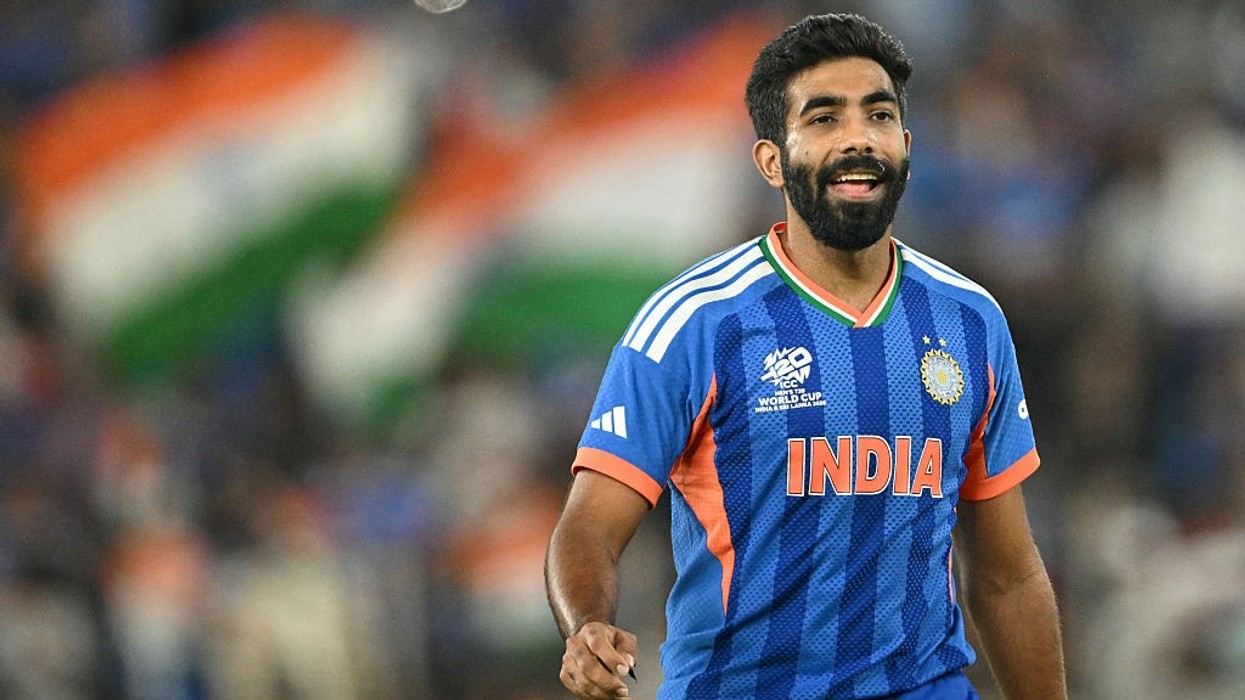
 India's Jasprit Bumrah (R) celebrates with teammates after taking the wicket of Afghanistan's Darwish Rasooli during the third T20 international cricket match between India and Afghanistan at the Arun Jaitley Stadium in New Delhi on September 17, 2026. Arun SANKAR / AFP via Getty Images
 India's Jasprit Bumrah (R) bowls as Afghanistan's captain Ibrahim Zadran looks on during the third T20 international cricket match between India and Afghanistan at the Arun Jaitley Stadium in New Delhi on September 17, 2026. Arun SANKAR / AFP via Getty Images