INDIAN prime minister Narendra Modi on Friday (8) said that he is "deeply distressed" over the attack on former Japanese Prime Minister Shinzo Abe and conveyed his prayers to his family.
An unidentified man fired at Abe during a rally in Japan earlier in the day.
"Deeply distressed by the attack on my dear friend Abe Shinzo. Our thoughts and prayers are with him, his family, and the people of Japan," PM Modi tweeted.
Recently, Prime Minister Narendra Modi met Abe in May during Quad Summit in Tokyo.
Japan's leading news agency Kyodo News citing local authorities reported that Abe was unconscious and appeared to be showing no vital signs. He has been rushed to the hospital where he is reported to be in "cardiopulmonary arrest."
According to initial reports from Japanese public broadcaster, NHK, Abe may have been possibly shot in the chest. A local reporter on-site heard something that sounded like a gunshot. The reporter also saw Abe bleeding, media reports said.
Abe, Japan's longest-serving prime minister, had stepped down in 2020 citing health reasons. He was prime minister of Japan twice, from 2006-07 and again from 2012-20. He was succeeded by Yoshihide Suga and later by Fumio Kishida.
Shinzo Abe shares a deep bond of friendship with Prime Minister Narendra Modi which was quite evident in the meeting between both leaders in the month of May. The meeting illustrated the huge goodwill and personal chemistry of PM Modi with the former Japanese PM.
He has visited India several times as the prime minister. During his tour in 2007, Abe quoted Mughal Prince Dara Shikoh in the Indian Parliament highlighting the link between the Indian and the Pacific Ocean.
In 2014, Abe was the chief guest at India's 65th Republic Day parade, becoming the first premier of Japan to grace the occasion. During his visit, the two countries also inked as many as eight agreements, including those to promote tourism, enhance energy efficiency in telecom towers and power generation in India. Abe also performed 'Ganga Aarti' with PM Modi in Varanasi in 2015.

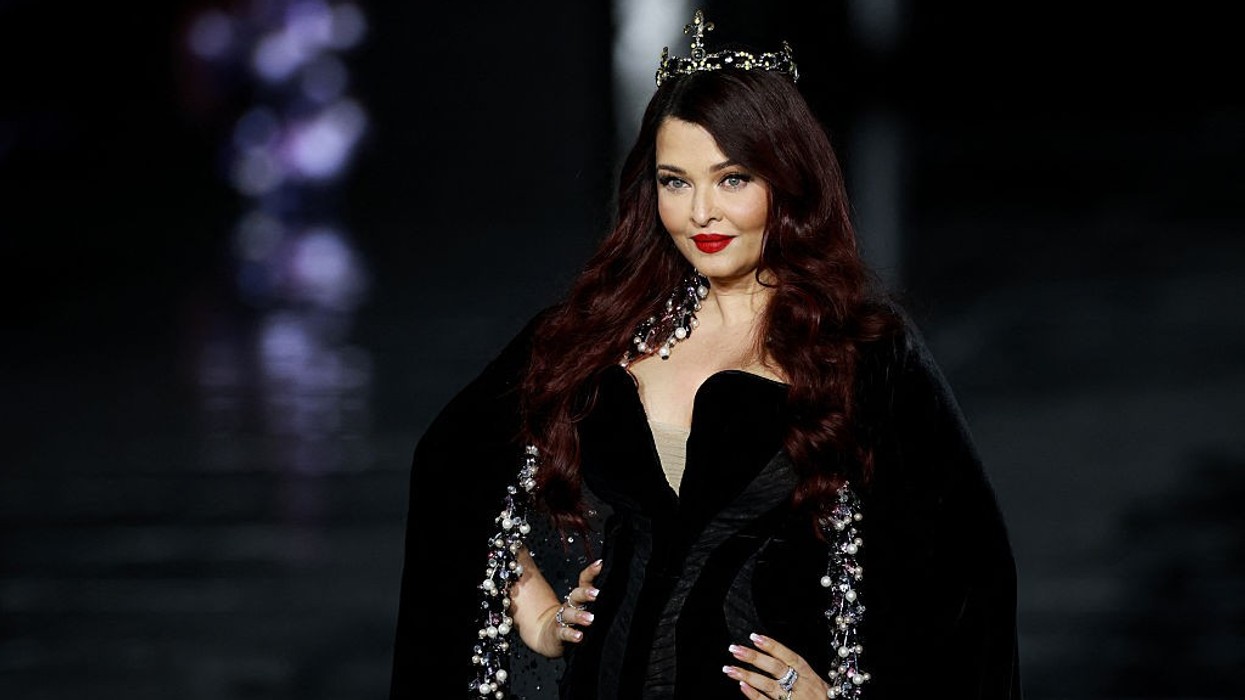
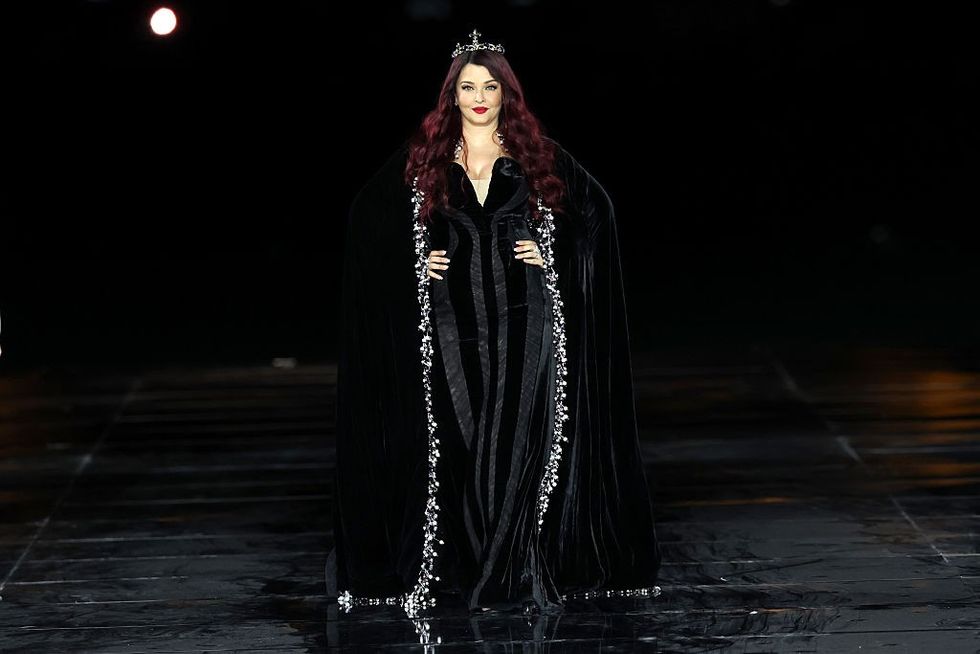 Aishwarya Rai Bachchan walks the runway during the Le Défilé L'Oréal Paris "Express Your Worth show as part of Paris Fashion Week on September 28, 2026 in Paris, France. Getty Images

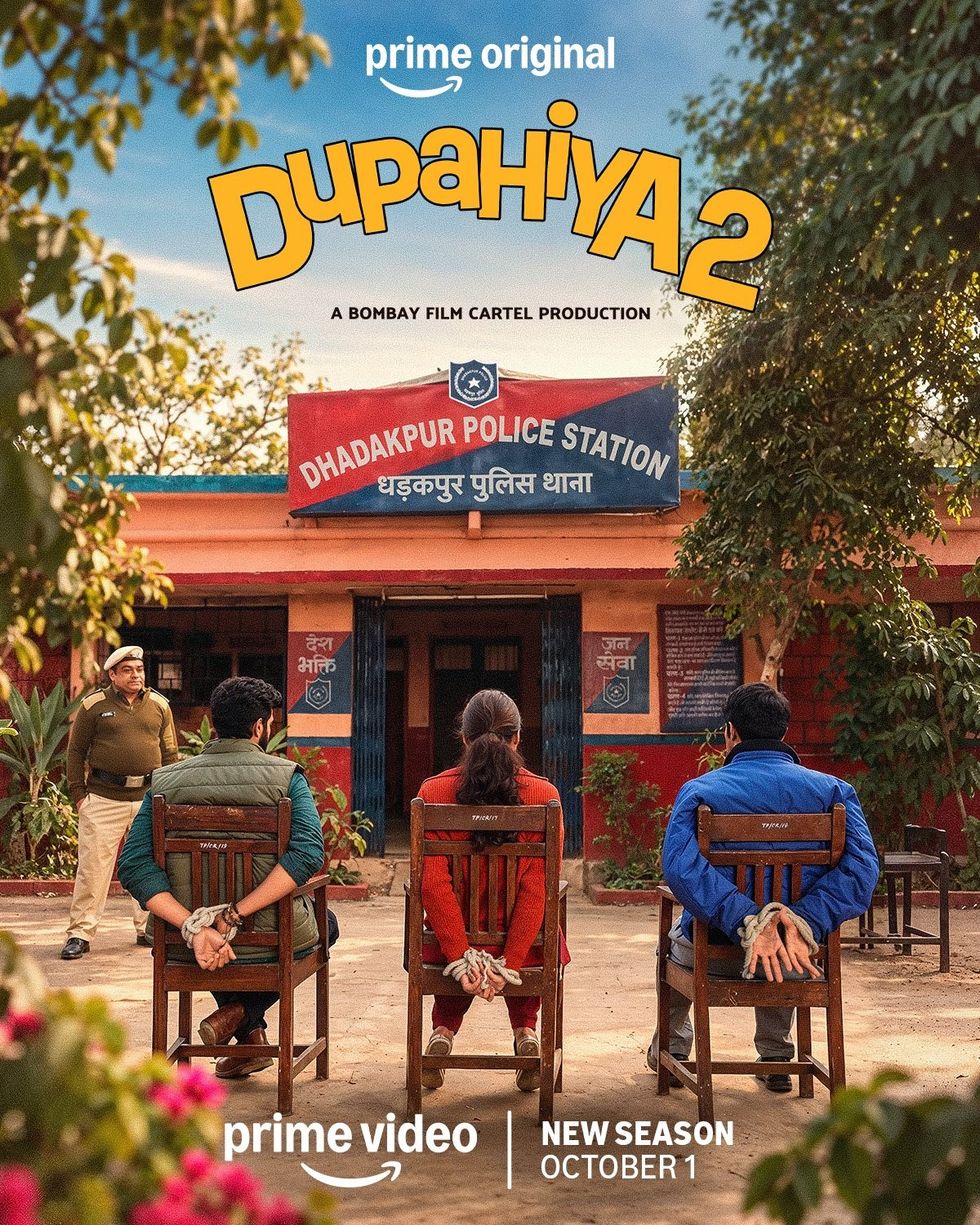 Dupahiya Season 2X/@CinemaRareIN
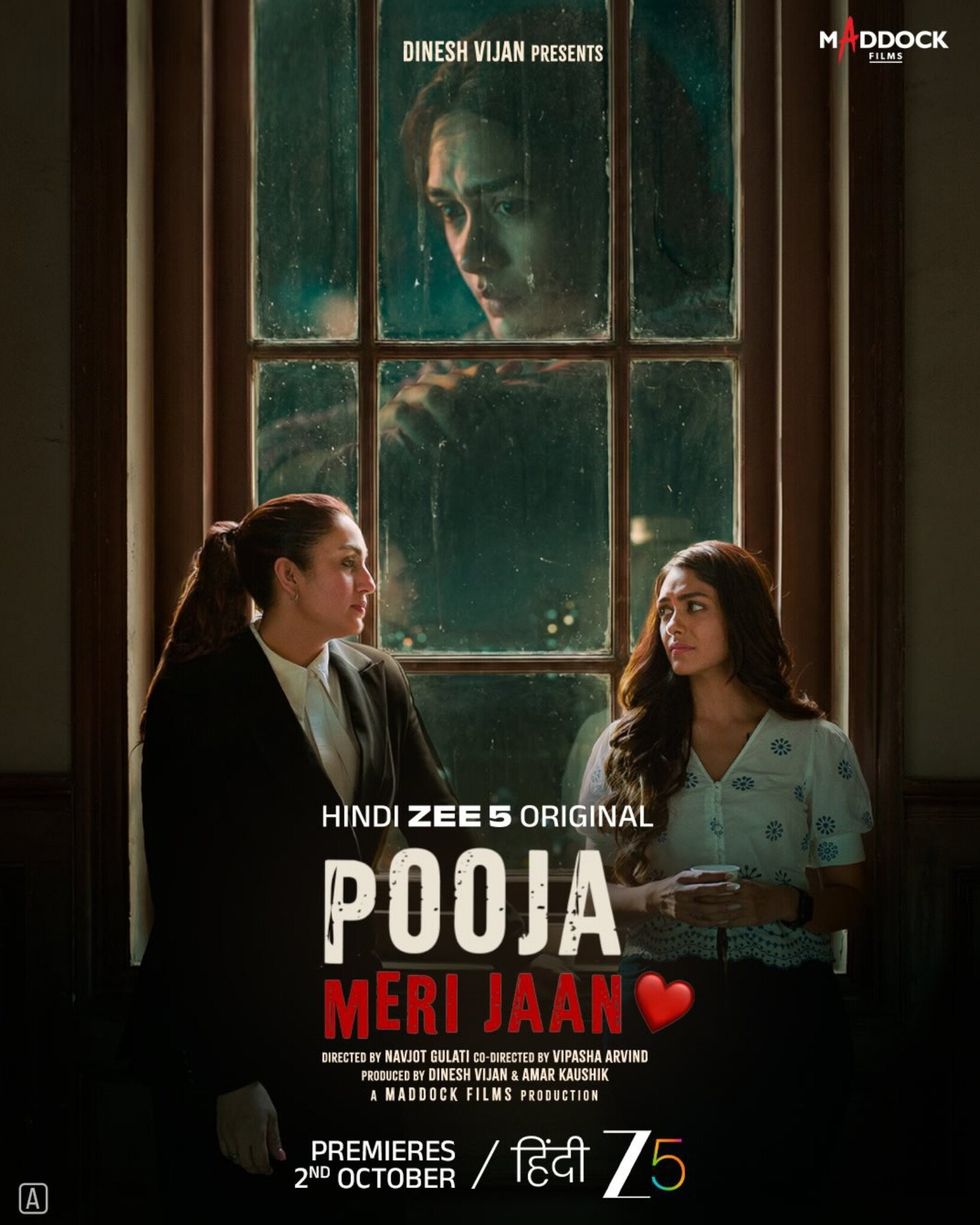 Pooja Meri JaanX/@AllCinemaVerse
 East of EdenX/@3bo9x1
 Scrubs Season 2X/@AllCinemaVerse
 Coven AcademyX/@AllCinemaVerse
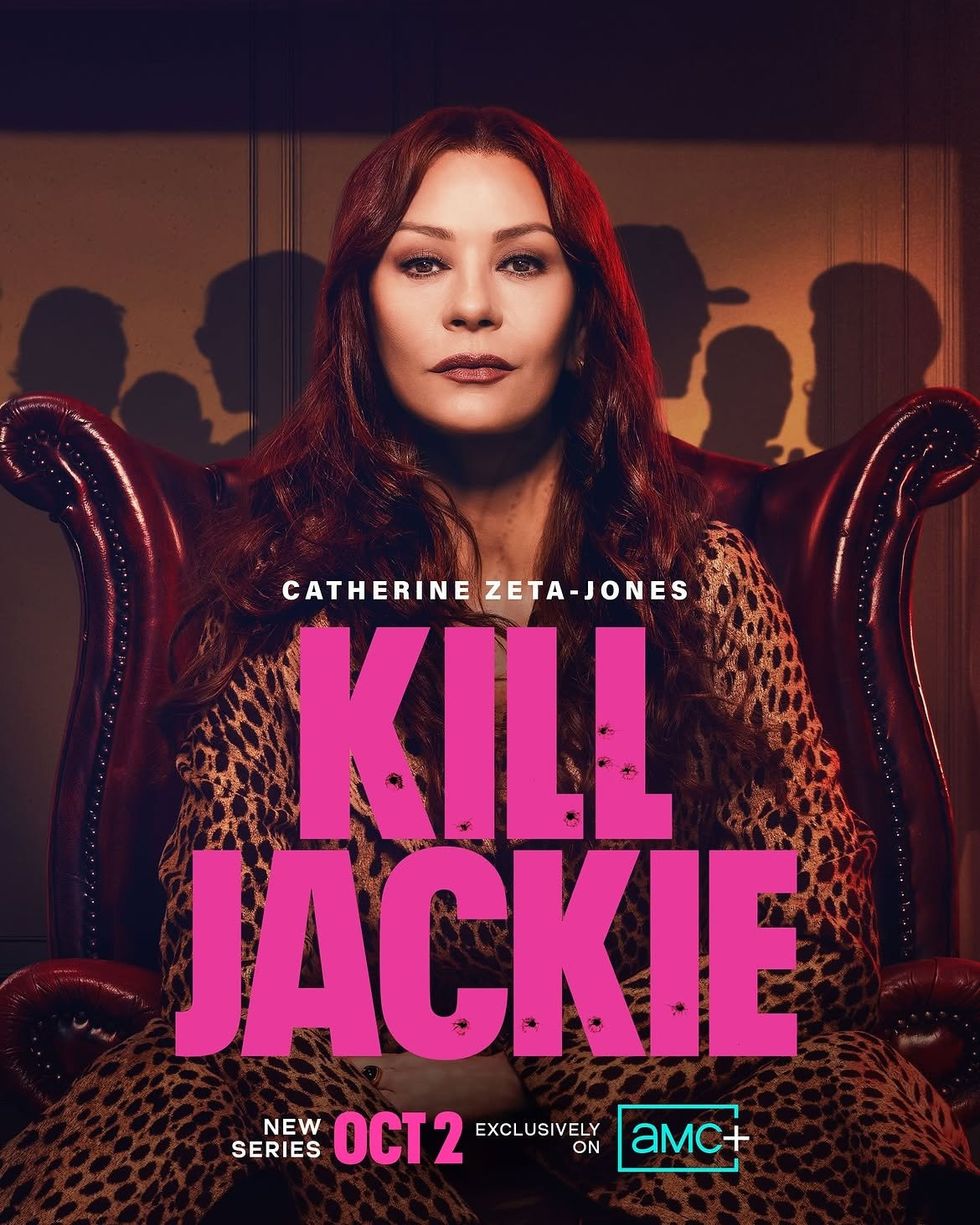 Kill JackieX/@AllCinemaVerse