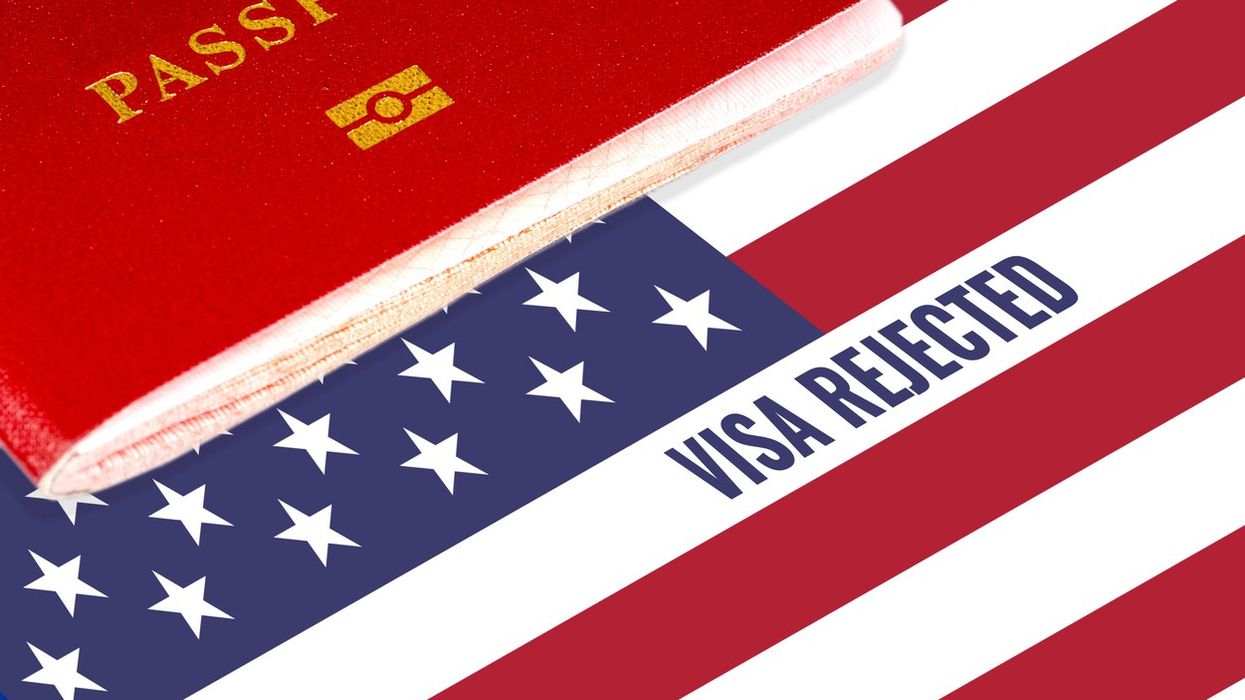

- B1/B2 visas allow business meetings and tourism, not employment
- US Consulate Mumbai warned misuse can lead to deportation or permanent bans
- A Reddit user shared a recent rejection experience at the Mumbai consulate
- The visa officer questioned the applicant about suppliers tied to her visit
- Applicants say approvals increasingly feel inconsistent and subjective
The US Consulate General in Mumbai has issued a fresh reminder clarifying the limited scope of B1/B2 visas, emphasizing that these short-term visitor visas cannot be used for employment in the United States. The advisory comes amid growing concerns and online discussions around visa rejections, particularly for business travelers from India.
B1/B2 visas are meant strictly for temporary visits related to tourism or permissible business activities, such as attending meetings, conferences, or negotiating contracts. They do not allow holders to engage in paid or unpaid work while in the US. In a statement released on Thursday, the consulate warned travelers to fully understand the rules before traveling.
“Know the rules before you travel. A B1/B2 visitor visa can be used to conduct business meetings and negotiate contracts, but you need a different visa to work. Unauthorized employment can lead to deportation and/or a permanent ban from entering America in the future,” the consulate said.
The reminder gained attention as a Reddit user recently shared her experience of having her B1/B2 visa application rejected at the US Consulate in Mumbai. According to her post, she had applied for the visa to attend business meetings in the US with a client and the client’s suppliers. While she believed her purpose of travel was clearly explained, the interview did not go as expected.
The applicant said the visa officer asked her who the suppliers were, an unexpected question she had not prepared for in detail. She explained that she works for a client whose operations involve multiple suppliers and that her professional role includes overseeing client-supplier relationships. She added that this information had already been mentioned in her DS-160 application form.
Despite her explanation, the officer informed her that she was “not eligible for a visa at this time.” She was handed a 214(b) refusal slip, which typically indicates that an applicant has failed to sufficiently demonstrate strong ties to their home country or clearly justify the purpose of their visit.
Following the post, several Reddit users weighed in, suggesting that visa approvals have increasingly become unpredictable. Many commented that outcomes often feel subjective, with officers making decisions based not only on documentation but also on how confidently applicants respond, their body language, and how clearly they articulate their travel intent.
Some users described the current visa process as a “chance game,” advising future applicants to prepare extensively for follow-up questions—even those that may seem obvious or secondary. Others noted that heightened scrutiny around business travel may be linked to concerns over visa misuse and unauthorized employment.
The consulate’s reminder serves as a caution to applicants to ensure their stated travel purpose strictly aligns with visa rules and that they are prepared to clearly explain their professional role, itinerary, and ties to India during interviews.







Katrina Kaif reacts to postpartum beauty comments, reveals her 'skin became sensitive' and 'feeling best matters more'